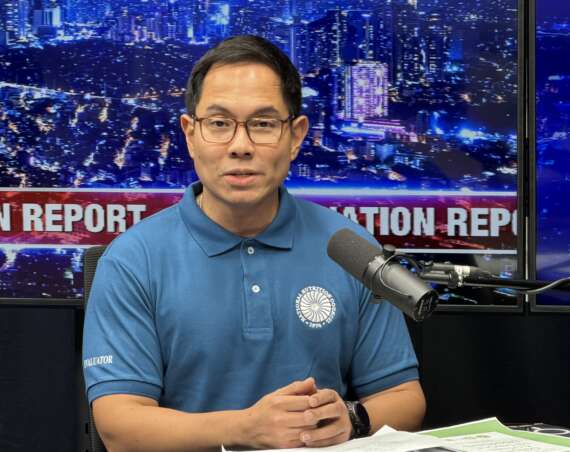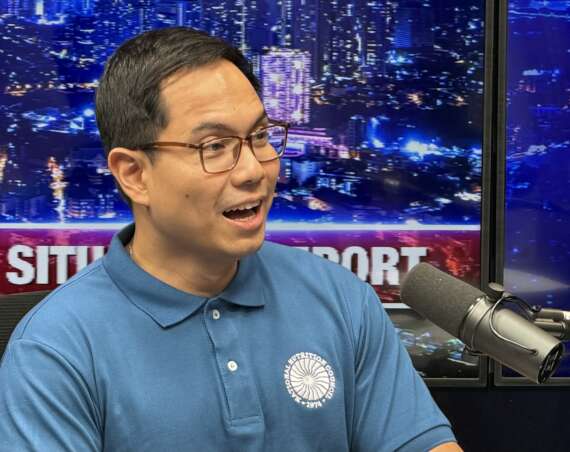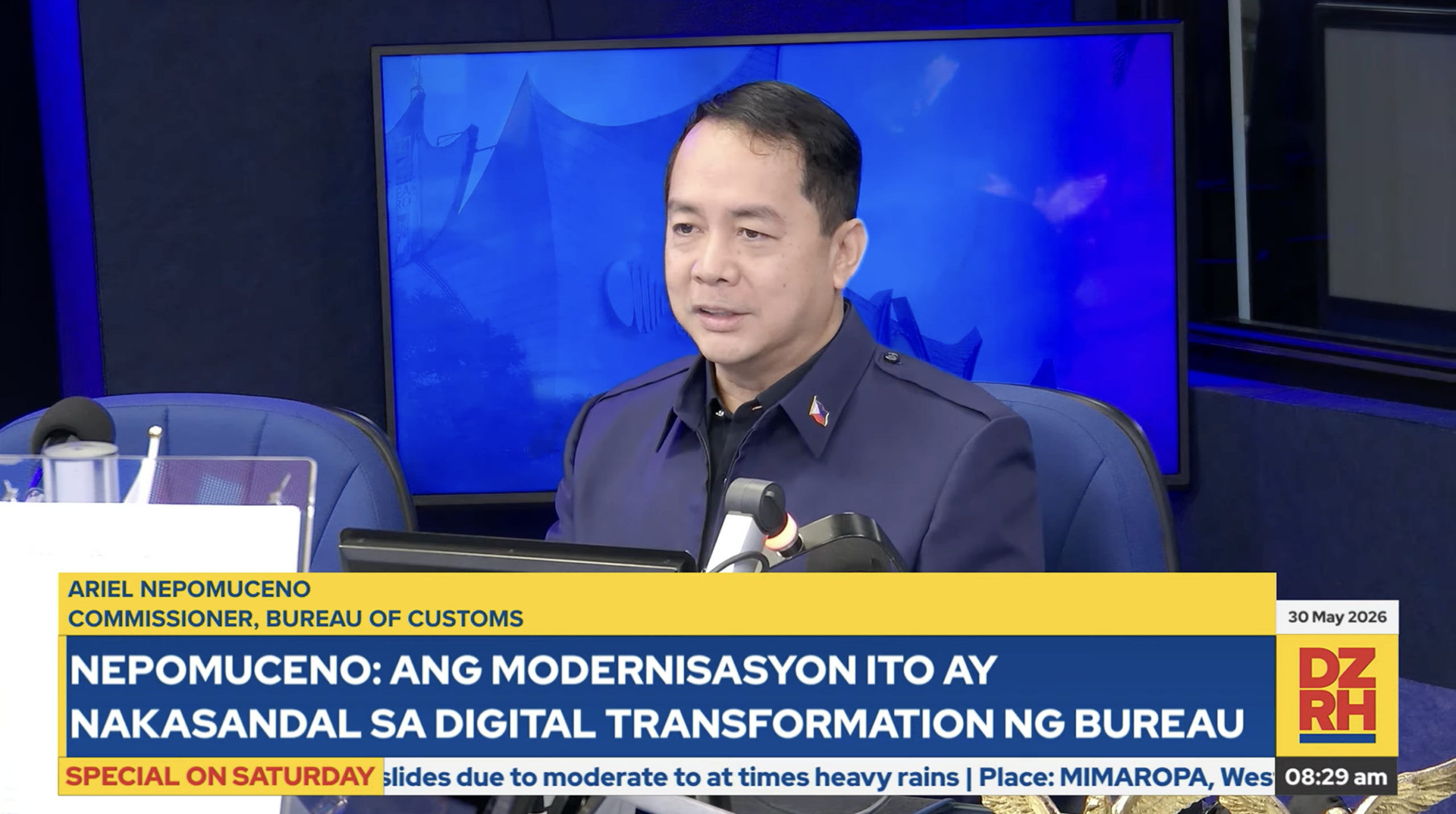
When Ariel Nepomuceno took over the Bureau of Customs (BOC) in July last year, he knew what he was walking into. The bureau had long carried a reputation for corruption so entrenched that even the mention of reform invited skepticism. His response was immediate—and deliberate.
“‘Yung mga ayaw sumabay, tinanggal ko na kaagad,” Nepomuceno said in an interview on DZRH News program Special on Saturday on May 30.
From his first month through his third, he said, anyone unwilling to follow the direction he had set was shown the door—deputy commissioners, port collectors, and middle management officials included: “Hindi kasi ako dapat managot sa pagkakamali ng iba.”
The firings were not limited to rank-and-file employees. Nepomuceno said he removed officials at the highest levels of the bureau, including those who came with political backing—what he candidly called “MBA,” shorthand for “May Backer Ako.”
Rather than quietly sidelining them, he said he personally went back to their patrons to explain the removals: “Binalikan ko ‘yung kanilang mga backers. ‘Sorry po, hindi po sila sumunod, kailangan ko silang palitan.'”
The practice of political patrons placing their people inside the BOC is, by Nepomuceno’s own admission, not unique to Customs—it runs across government. But he described a pragmatic workaround: a gentleman’s agreement with the backers. Their people could stay, but on one condition.
“Sinabi ko sa kanila, ‘Sige, ‘yung mga tao niyo nandiyan lang. Subalit kailangan sumunod sila sa programa: tamang koleksyon at reporma ng BOC.'” Those who failed to comply were replaced—and their patrons were informed.
Central to Nepomuceno’s ability to push through these changes was an unusual grant of authority from President Ferdinand Marcos Jr.: the power to handpick all of his deputy commissioners without negotiation.
“Binigyan niya ako ng pagkakataon na piliin lahat ng aking Deputy Commissioners,” he said. “Tao ko na ‘yan.” He drew heavily from his previous post at the Office of Civil Defense, bringing roughly half his core team with him, with the blessing of Defense Secretary Gilberto Teodoro. “Thank you kay Sec. Gibo, na-pirate ko ‘yung mga tao namin from the Office of Civil Defense.”
The full support of the President, Nepomuceno said, was the backbone of the entire reform effort. Without it, the resistance he encountered from within the bureau would have been far harder to overcome. “Nung una, ‘yan ang pakiramdam ko,” he said of the internal pushback. “Kaya lang nagtanggal kaagad ako ng mga tao.”
With his core team in place, Nepomuceno moved to extend zero tolerance down to all 56 ports under the bureau’s jurisdiction. His standing order: anyone caught invoking his name—or the President’s—to lower assessments or facilitate irregular transactions should be arrested first, ahead of all others.
“Kapag nag-name-drop na ibaba ‘yung babayaran, ang utos ko, hulihin ‘yan, unahin,” he said. He added that it remained a personal aspiration to be present when such an arrest is made. “Pangarap ko ‘yan eh, na may maposasan na nag-name-drop ng pangalan ng Pangulong Bongbong.”
The behavioral shift inside the bureau, he said, is already showing measurable results. Declarations of imported pork—a commodity historically vulnerable to misdeclaration and undervaluation—rose 40% after the Anti-Agricultural Economic Sabotage Act began to be invoked. Collections on pork imports rose by more than 50% over the same period. “Malamang nagkakaroon na ng respeto o takot sa batas,” Nepomuceno said.
The law, he noted, carries severe consequences: smuggled agricultural products valued at ₱10 million and above carry a no-bail provision upon filing of charges. “Kapag ikaw ay nakasuhan niyan, kaso pa lang sa korte, no bail ‘yan. Walang piyansa, kulong kaagad. ‘Yan dapat matakot sila diyan.” The bureau has already recommended its first case under the law, involving around 20 respondents connected to an agricultural smuggling incident in Subic.
As of May 30, the BOC has filed 78 cases involving 220 persons of interest since Nepomuceno assumed office. He said a key shift in strategy is the targeting of principals—not just drivers, helpers, and warehouse guards—in coordination with the National Bureau of Investigation (NBI) and the Department of Justice (DOJ).
A formal three-agency agreement among the BOC, the National Prosecution Service, and the NBI is being finalized, with a target of June for signing. The goal, he said, is what former Justice Secretary and now Ombudsman Boying Remulla calls “certainty of conviction.”
Nepomuceno is candid that the work is far from finished—and that the temptation to game the system never fully disappears. “Araw-araw laban na ito,” he acknowledged. But he said the direction is clear, the team is his own, and the mandate from the President is unambiguous: collect correctly, and reform the bureau. “Basta ang magulang ko at ilang mga kaibigan—mga limang kaibigan lang—maganda ang tingin sa akin, okay na ‘yun. Basta gagawin ko ‘yung tama.”