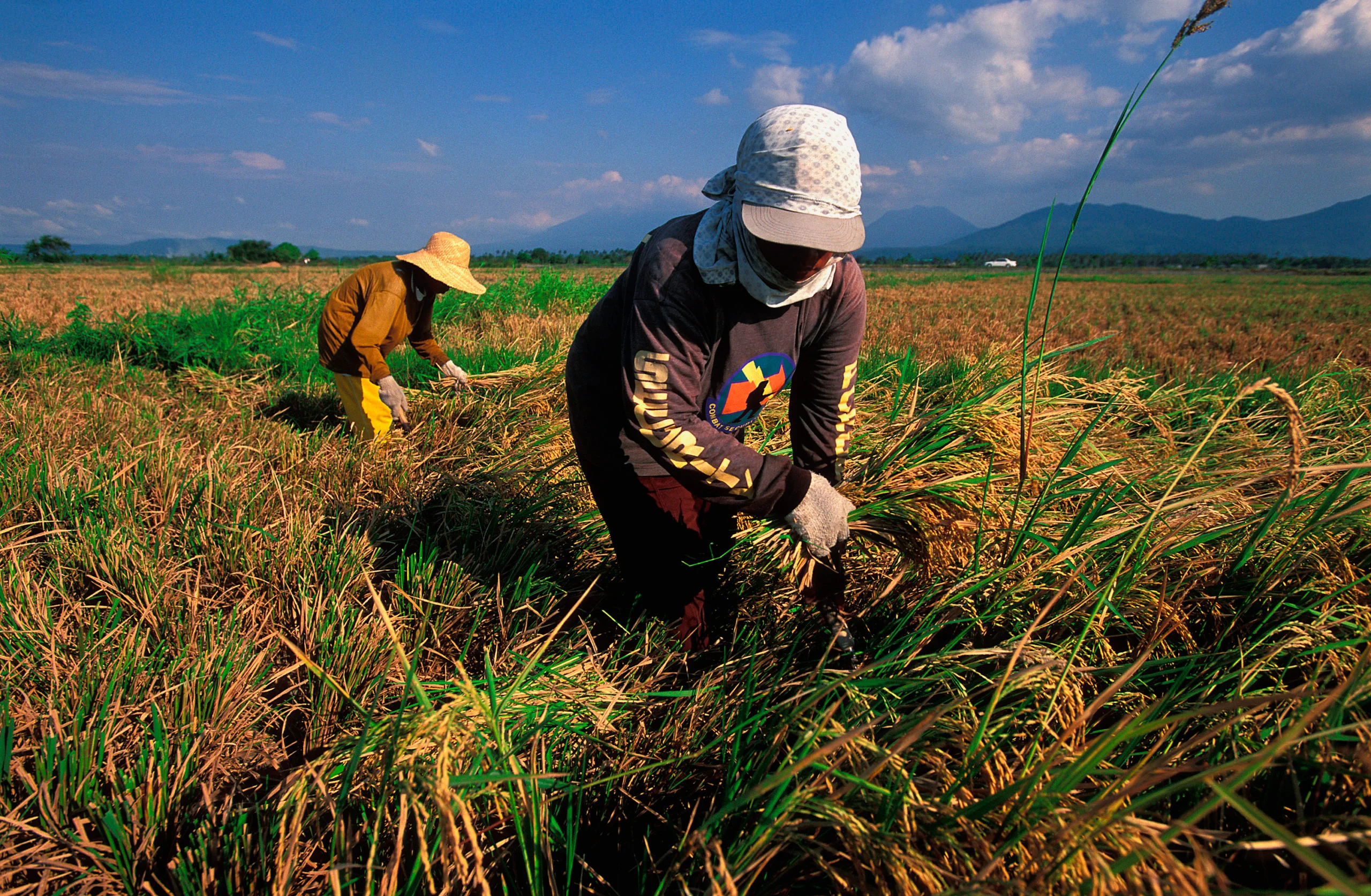
For now, food remains available. Rice is being harvested, fish supply is steady, and markets are holding despite rising costs linked to tensions in the Middle East.
That buffer, according to Agriculture Undersecretary Asis Perez, comes down to timing. The crisis coincided with harvest season, allowing domestic production to carry the load.
“Matatag ‘yung supply dahil nga tumama naman itong crisis na ito sa panahon ng anihan, ‘no. Nag-aani tayo eh. Nag-aani tayo ng palay kaya ‘yung ibang mga lugar ay patapos na, ‘yung iba ay nag-uumpisa pa lang. Eh kami nagtapos na eh,” Perez said on DZRH News program Special on Saturday.
“Marami tayong supply. Meron tayong sapat na supply ng palay, and therefore ‘yung bigas natin, hindi tayo mamomroblema in the next 2 to 3 weeks, ah, 2 to 3 months ‘no,” he said.
The same conditions are helping fisheries. With good weather, fishermen are able to increase output, keeping protein supply stable. Perez noted that higher production is helping offset rising fuel costs, preventing sharper price increases in the market.
But pressure is already building beneath that stability. Fertilizer prices have started to rise, even before the full effects of global disruptions are felt.
“Alam po ba ninyo na sa tindahan po eh tumaas na agad ng tatlong daang piso? Eh hindi pa nga ho umeepekto. Ibig kong sabihin, ang problema ho natin pag minsan, hindi po talaga supply kundi, sa tingin ko—pasensya po dun sa mga ibang gumagawa nito eh—medyo ina-anticipate ‘yung pagtaas eh. Hindi pa dapat tumaas, pinataasan na kaagad,” the Agriculture official lamented.
Fuel costs are also climbing, adding to the burden on farmers preparing for the next planting season.
“Bawat isang ektarya po ng ating palayan ay gumagastos po ‘yan, more or less, ng 1,500 sa halaga po ng fuel, ano eh. Halos nadoble po ‘yan. Ibig sabihin, madodoble po ‘yung cost nung fuel,” Perez noted.
These increases translate directly into higher production costs. Perez estimated that expenses could rise significantly per hectare, a development that may influence how farmers manage their inputs in the coming months.
That behavior, he warned, could affect future output: “Huwag po tayong magbabawas (ng fertilizer). Kasi nakikita ko diyan, ito nakikita ko, siguradong walang masyadong mag-e-export sa atin. Gustuhin man natin, malamang wala tayong makukuha, tama? Kasi bawat bansa, aalalahanin niya ‘yung sarili niyang bayan.”
For now, however, the country is benefiting from favorable timing. “Medyo ang timing niya hindi masyadong masama sa Pilipinas,” Perez said, while cautioning that the situation could have been worse under different conditions.
“Kung tumama ito halimbawa ng Hunyo o Hulyo, talagang mahihirapan tayo dahil wala tayong supply ng isda, pagkatapos mahal pa ‘yung fuel mo. Ibig sabihin kokonti ‘yung mahuhuli eh ‘di lalong mamahal,” Perez said.
The Agriculture official stressed that this window is temporary and that preparation for the next cycle is critical: “Kaya pero kailangan paghandaan natin ‘yung next season.”
For now, supply is holding because production continues. Farmers and fisherfolk are still planting, harvesting, and catching despite rising costs. That, more than anything else, is what is keeping food on the table.