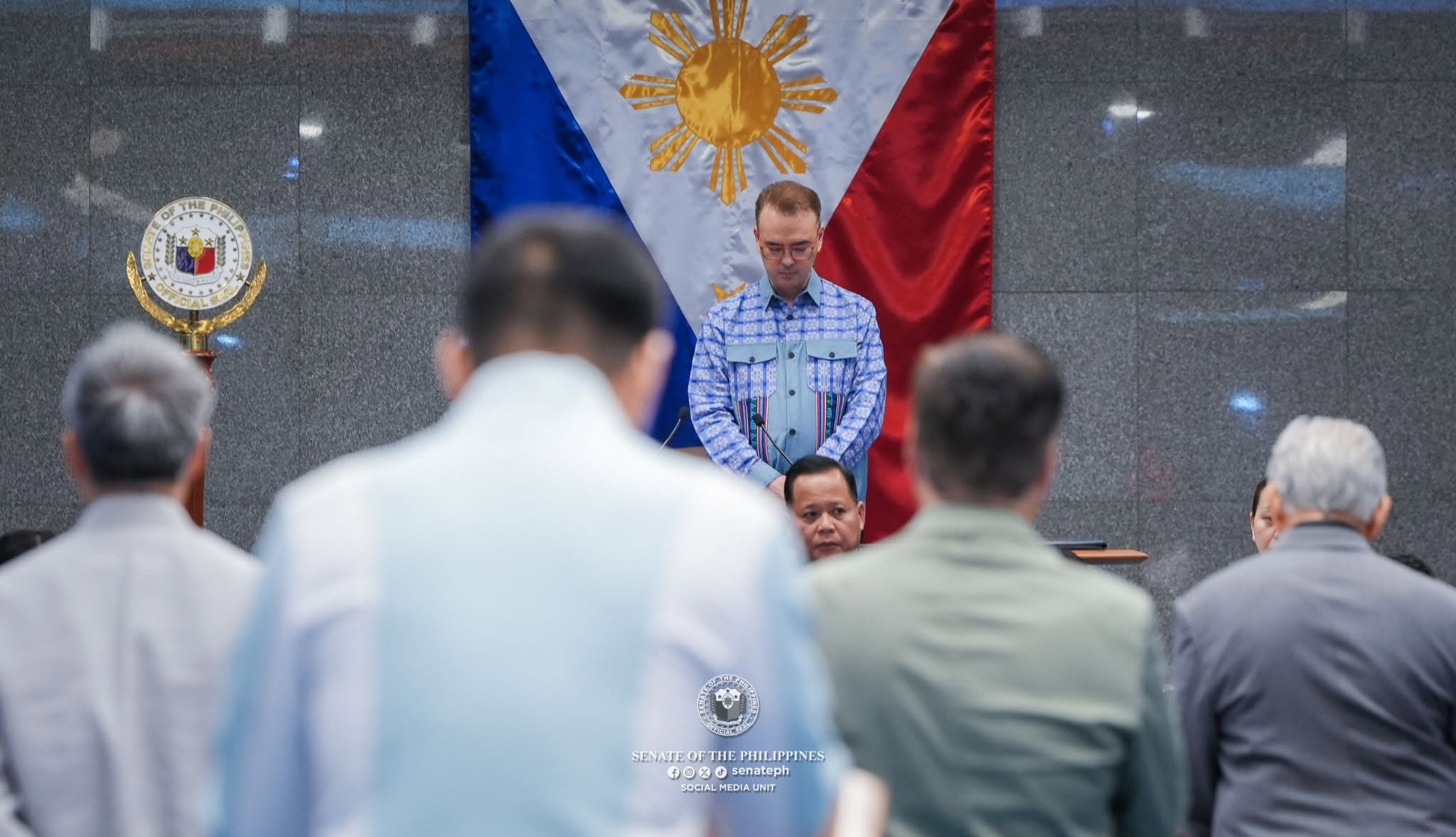
The ongoing leadership crisis in the Philippine Senate is not only hurting legislative productivity and institutional credibility but is also costing the country its window to prepare for a severe El Niño expected later this year, the dean of the University of the Philippines (UP) National College of Public Administration and Governance (NCPAG) warned Saturday.
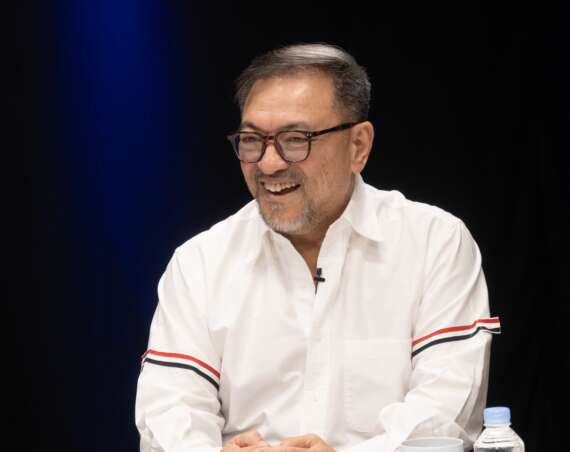
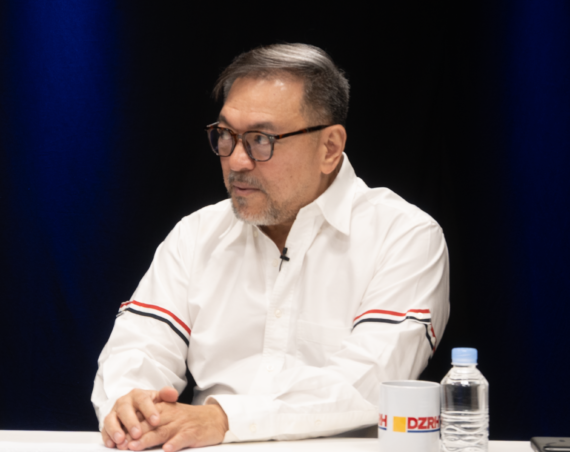
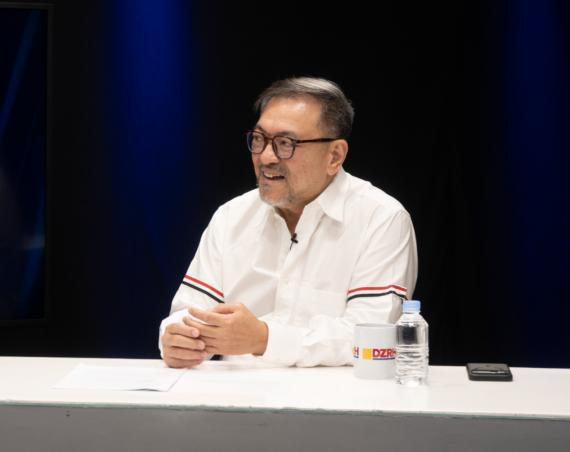
UP NCPAG Dean Kristoffer Berse made the warning in an interview on DZRH News program Special on Saturday on June 6, saying the Senate impasse has left critical issues—including El Niño preparedness, inflation, and food security—without the legislative attention they urgently require.
“Sayang yung pagkakataon, sayang yung opportunity na nauubos dahil sa hindi nila pagkakaayos ng usapin. Nagiging highly partisan yung naging response ng ating mga senador unfortunately pagdating sa usapin ng kasalukuyang problema nila,” Berse said.
He said the Senate crisis is affecting the institution on three levels: its ability to pass legislation, its oversight function over the executive branch, and its advocacy work—all of which are being paralyzed by internal conflict that has descended to the personal level.
Berse warned that a weakened Senate oversight function creates conditions where lapses and abuses in the executive branch go unchecked, echoing a concern raised during the interview that a distracted legislature leaves the executive without adequate monitoring.
On El Niño, Berse said the expected weather phenomenon carries a “dual personality”—bringing extreme flooding to some parts of the Philippines while other areas suffer severe drought—making advance preparation all the more critical.
“Ito yung El Niño na may dual personality actually. Kasi usually kapag El Niño, tagtuyot yung dulot niyan usually. Pero itong inaasahan natin is that may parts ng Pilipinas na maaaring talagang magkakaroon ng extreme na pagbaha din, samantalang yung ibang lugar ay makakadanas ng matinding tagtuyot,” Berse said.
He said the Senate’s failure to resolve its internal crisis means the country is running out of time to address compounding concerns, with the election period approaching in 2027 set to further crowd out legislative focus on governance issues.