The revised Armed Forces of the Philippines (AFP) modernization program receives ₱50 billion in the Marcos administration’s proposed 2027 national budget, up from ₱40 billion in the 2026 General Appropriations Act (GAA), Budget Secretary Kim Robert De Leon said Saturday.
Likewise, De Leon said automatic appropriations from the Bases Conversion and Development Authority (BCDA) is expected to add approximately ₱4 billion more on top of the allocation.
The President’s Budget chief explained the details in an interview on DZRH News program Special on Saturday on September 5, as part of the DZRH SONA 2026 Series featuring the Department of Budget and Management (DBM).
De Leon said said the ₱50 billion is part of the GAA and reflects the administration’s acceleration of military capability building, with many procurement projects queued up and waiting for funding to push forward.
“Yung ating budget para sa Revised AFP Modernization Program sa 2027 ay nasa 50 billion. Mas mataas ito kung ikukumpara natin dun sa 2026 sa level ng GAA na 40 billion. Dahil alam natin marami nang nakapila eh, maraming kailangang habulin to increase the capability of our AFP,” De Leon said.
He said the BCDA automatic appropriations, proceeds from the sale and development of former military reservations, are separate from and on top of the ₱50 billion GAA provision, with approximately ₱4 billion remaining from BCDA proceeds available for AFP modernization.
“Lahat ng proceeds from the sale ng BCDA, ang tawag natin dun ay automatic appropriation. So as soon as may pumapasok, dumadagdag pa ‘yun dun sa 50 billion na nilagay natin sa NEP,” De Leon said.
He said the AFP’s overall budget grew 6.85% from the 2026 GAA, reflecting increases not just in modernization but also in personnel services for the 5% base pay increase and in maintenance and operating expenses for day-to-day readiness.
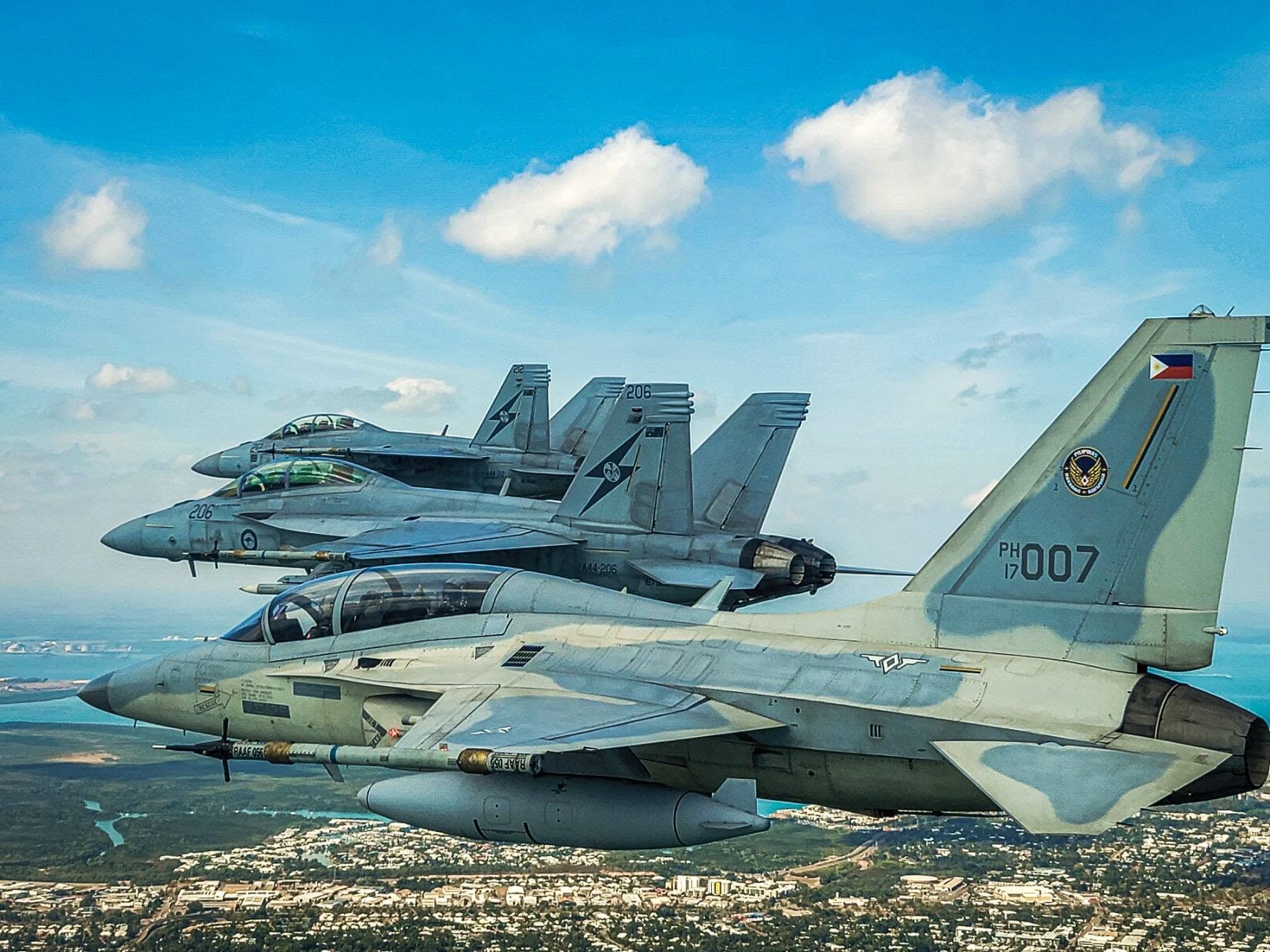
De Leon said the expanded modernization fund covers all branches of the AFP and is intended to significantly improve the country’s naval, air, and ground capabilities, building on the investments of previous years and responding to the country’s evolving security requirements.