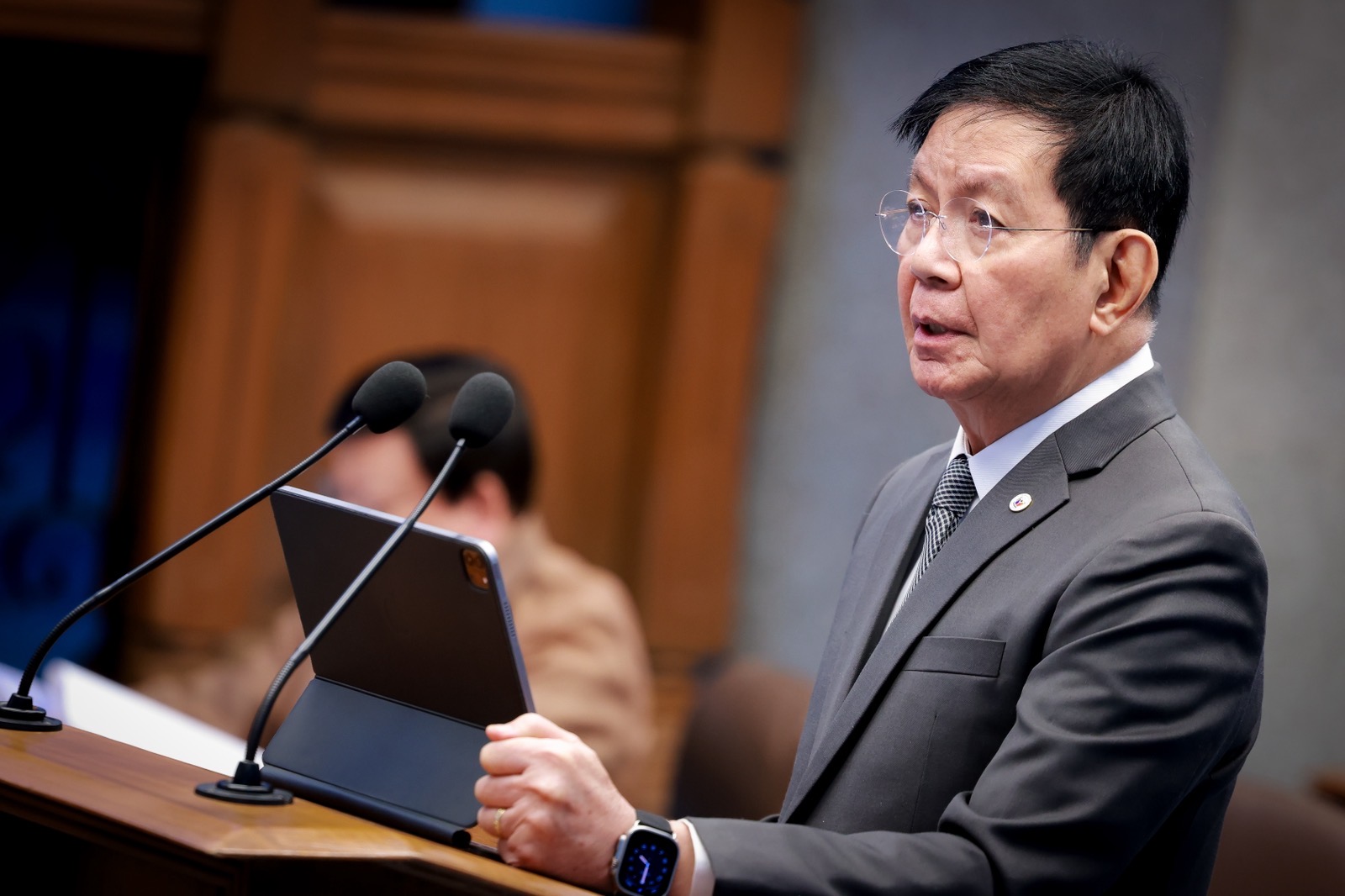
Senator Panfilo “Ping” Lacson on Saturday called for a Senate-wide retreat and collective self-reflection as the most meaningful first step toward rebuilding the institution’s dignity and integrity, invoking the model set by Senate President Jovito Salonga after the 1989 coup attempt—when Salonga brought all senators to Pansol, Laguna for a workshop in the aftermath of the crisis.
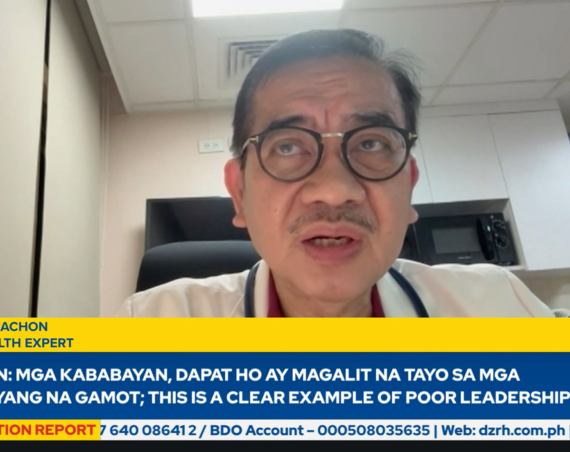
“Maganda ‘yung nabanggit mo kanina na siguro mag-retreat muna kaming dalawampu’t tatlo. Dahil ‘yung pang-dalawampu’t apat, hindi naman talaga lulutang ‘yun. At least initiative ito ng Senate President,” Lacson said in an interview on DZRH News program Special on Saturday.
Lacson said the retreat must go beyond a symbolic gesture and become a genuine reckoning—one where senators individually and collectively examine where they went wrong and how to correct course.
“Kailangan siguro magkaroon kami ng self-reflection. Suriin namin ‘yung aming mga sarili individually and collectively para pag-isipan namin papaano namin ibabangon ‘yung kapurihan ng Senado,” he said.
The senator said the Senate’s current crisis is not simply a product of last week’s shooting incident or the leadership shakeup but the accumulated result of years of political dysfunction, budget irregularities, and the breakdown of the collegial culture that once defined the chamber.
“Wala namang ginagawa sa session hall, ‘di ba? May mga dramatics, theatrics, tapos nagkakasigawan kami. Nung araw medyo may sigawan din, pero pagkatapos ng debate, nagkakamayan,” he said, contrasting today’s Senate with one where senators from all blocs sat together during breaks and engaged in high-level, friendly discussion regardless of political affiliation.
Lacson said the Salonga model is instructive precisely because Salonga convened the workshop not as a political exercise but as a genuine attempt to reset the institution after a crisis—and that the current Senate needs exactly that kind of reset.
He noted that the workshop format gave senators the space to discuss issues that could not be raised on the floor, away from media pressure and political posturing, in an environment where all 23 members were present and equal.
The senator said the Senate’s credibility problem is compounded by the explosion of budget allocations—from 200 million pesos per senator in the pork barrel era to tens of billions today—and that any meaningful reform must address this at its root.
He credited the Sotto-era Senate, with Gatchalian as Finance Committee chairman, for initiating budget transparency measures that required all amendments and insertions to be publicly identified by their proponents—a reform he said must be sustained and strengthened under any new leadership.
Lacson also pointed to the need to restore the tradition of the Senate President acting as the president of all 23 senators—not just the majority bloc—saying the erosion of this tradition has been a major contributor to the Senate’s current dysfunction.
“Dati ang Senate President treats himself and is being treated by his peers as the Senate President of all. Pero itong mga nakaraang panahon, para bang ‘yung Senate President, parang siya na lang ‘yung Senate President ng mayorya,” he said, citing Senate Presidents Franklin Drilon and Manny Villar as models of the kind of inclusive leadership that made the all-senators caucus a genuine forum rather than a majority briefing.
He expressed cautious optimism that the current crisis—as painful as it is—could become the catalyst for the Senate’s renewal, provided senators are willing to do the hard and unglamorous work of rebuilding trust with each other and with the public.
“Nakakalungkot nga ngayon na bakit ganyan ang nangyayari at saka bakit nga? Ewan ko. Mahirap sagutin ang maraming katanungan, pero talaga ang bottom line: mag-self-reflect kaming lahat collectively and individually, at pag-aralan namin, suriin namin saan ba kami nagkakamali at papaano naming maitutuwid,” he said.