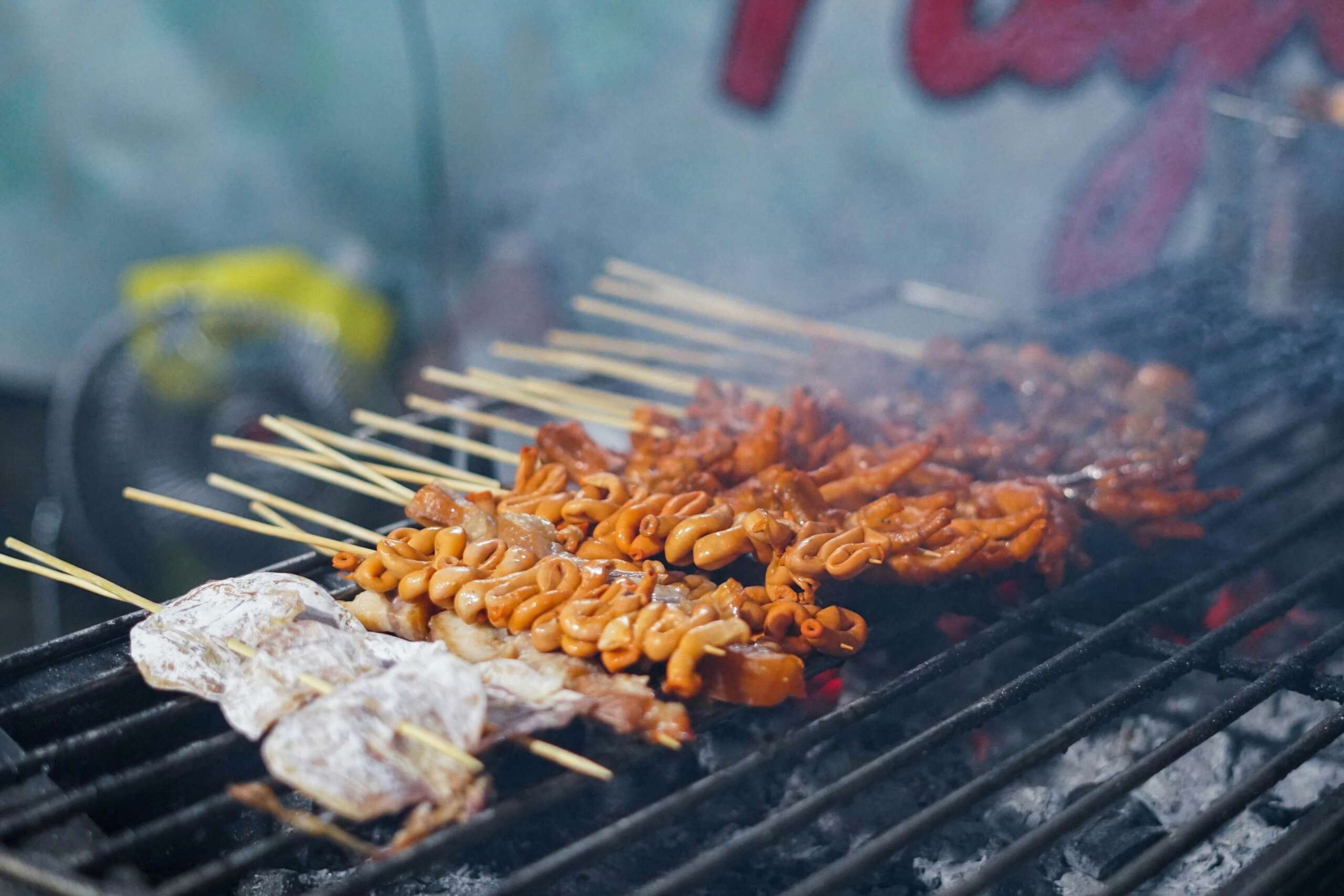
Popular street food staples, including isaw, kwek-kwek, and siomai sold at open-air markets in Davao City, were found to contain elevated levels of toxic heavy metals, potentially posing health risks to consumers, particularly young children.
The peer-reviewed study, published in the journal Food Science and Preservation on June 2026, examined heavy metal contamination in street-vended foods collected from major night markets in Davao City.
Led by researchers from the University of the Immaculate Conception, the study analyzed samples of isaw (grilled chicken intestines), kwek-kwek, and siomai for three toxic heavy metals: lead, cadmium, and mercury.
Using atomic absorption spectroscopy (AAS), researchers found that approximately 90% of the samples exceeded the maximum safety limit of 0.0001 mg/kg for mercury, with the highest concentrations detected in siomai.
“This study revealed that mercury is the dominant contaminant in selected street-vended foods in Davao City, with concentrations exceeding the maximum residue limits in approximately 80-90% of grilled chicken intestines and steamed dumplings,” the researchers said.
Meanwhile, 30% of the samples exceeded the acceptable lead threshold of 0.025 mg/kg, while cadmium was not detected in any of the samples.
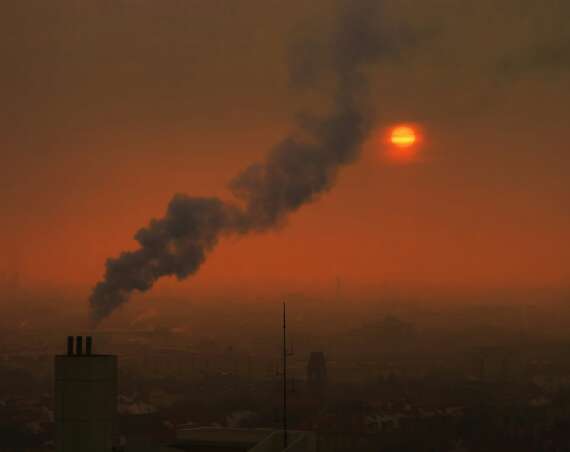
Researchers identified exposure to vehicle exhaust near busy road junctions and airborne industrial dust as potential contributors to heavy metal contamination, as street food sold in open areas may be exposed to pollutants during preparation and vending.
WHO FACES THE HIGHEST HEALTH RISKS?
To assess potential long-term exposure, researchers calculated the Estimated Daily Intake (EDI), Target Hazard Quotient (THQ), and overall Hazard Index (HI) using human health risk assessment models developed by the U.S. Environmental Protection Agency (USEPA).
The findings suggest that children face greater potential health risks because of their lower body weight relative to their food consumption.
Based on the samples tested, researchers found that the chronic Hazard Index exceeded recommended safety thresholds for children who regularly consume isaw and siomai.
However, estimated cancer risks associated with lead exposure remained within generally acceptable limits for both adults and children.
The researchers also noted that the food samples were rinsed with distilled water before laboratory testing to measure intrinsic contamination.
Since consumers typically eat street food without washing it, actual exposure to airborne lead and other heavy metals could be higher than the levels reported in the study.
RECOMMENDATIONS FOR SAFER STREET FOOD
To minimize contamination, researchers recommended requiring vendors to use physical covers or glass shields to protect displayed food from vehicle emissions and airborne dust.
They also emphasized the need to train informal vendors in safe food handling, ingredient sourcing, and environmental sanitation practices.
Routine heavy metal monitoring across urban night markets was likewise recommended to help identify contaminated food supply chains and strengthen local food safety measures.
“These findings highlight the urgency of vendor training, market zoning from pollution sources, and routine monitoring to guide evidence-based food safety policies, without undermining the economic role of street vending,” the researchers said.
“Within this context, this study provides the first city-level, multi-metal exposure and health risk assessment of street-vended foods in Davao City and, to our knowledge, in Mindanao, contributing baseline evidence to inform local food safety surveillance and targeted public health actions.”
NOT JUST IN DAVAO
These findings follow an earlier study conducted by researchers from the University of the Philippines Manila (UP Manila), which detected drug-resistant bacteria in beverages, ice, cups, and even on vendors’ palms at 12 sampled palamig stalls in Tondo, Manila.
Conducted from 2024 to 2026, the study identified the presence of antimicrobial-resistant bacteria in the sampled stalls, raising public health concerns among the research team led by UP Manila Associate Professor Dr. Gerald Dayrit.
In an interview on DZRH’s Special on Saturday in May 2026, Dayrit said, “Opo meron po tayong nakikitaan. At ang nakakagimbal dito, bukod po sa bacteria, may resistance genese po, ang tawag po dito ay ‘yung pwede pong mai-transfer nang madalian sa ibang tao.”
While the Davao City study found elevated levels of toxic heavy metals in selected street foods, UP Manila researchers detected drug-resistant bacteria in palamig stalls, particularly in beverages and ice.
“Bukod po sa kamay, ang may pinakamataas po ay ang yelo,” Dayrit said. “Hindi po natin akalain na ang yelo.”
The UP Manila researchers likewise recommended barangay-level training programs for vendors on proper hygiene and sanitation, alongside public awareness campaigns to help prevent illnesses in communities, emphasizing that prevention is less costly than treating diseases.
© Unsplash