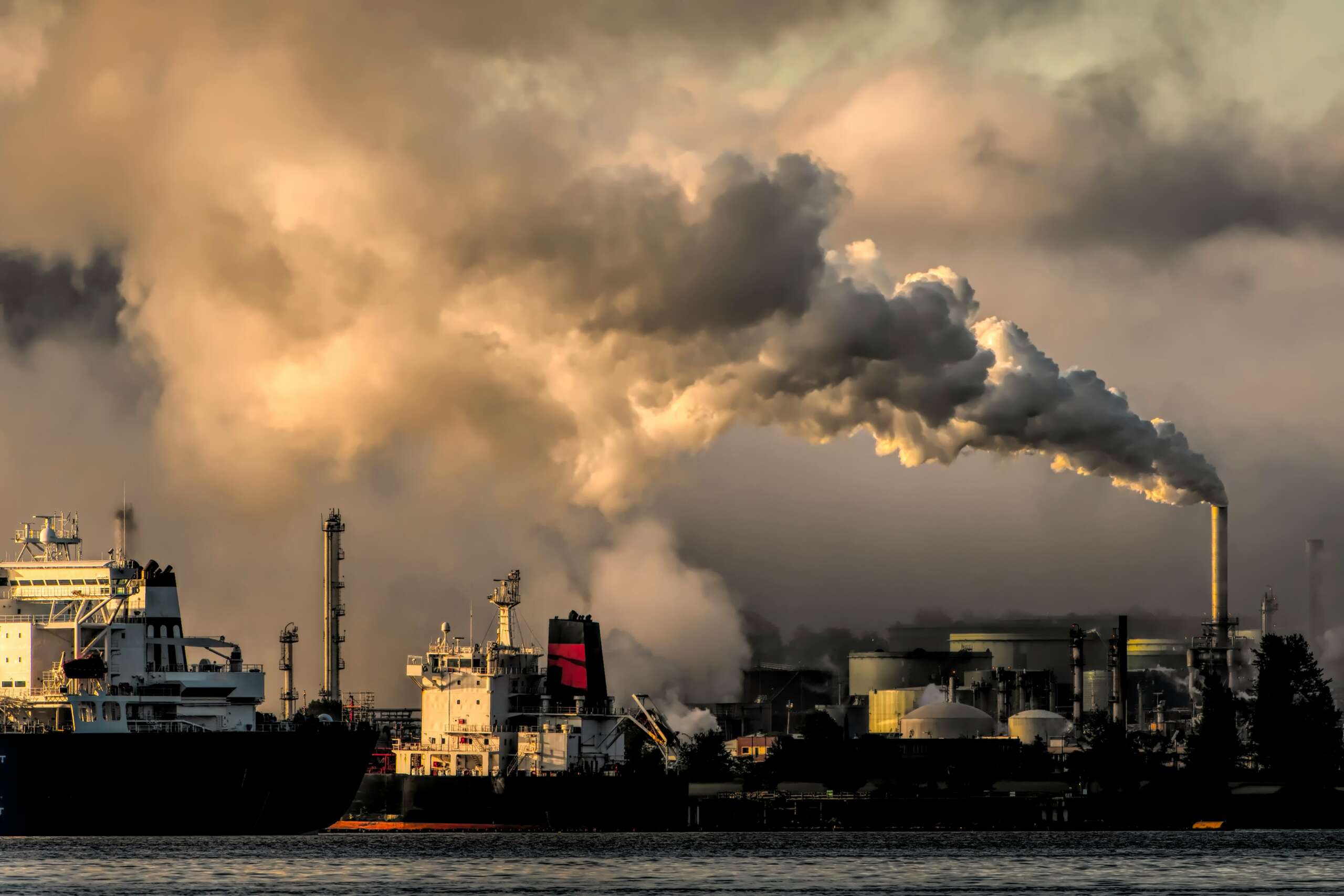
A new scientific assessment has revealed that the rate of global warming has nearly doubled since 2010, with several of Earth’s vital signs reaching unprecedented extremes.
The latest report by researchers from Oregon State University (OSU) highlights the accelerating destabilization of the planet’s climate system. Despite these alarming changes, researchers remain optimistic that positive societal and environmental transformations could help steer humanity away from worst-case climate scenarios.
“Rapid destabilization is now a diagnosis rather than a warning for the future,” said William Ripple, one of the report’s co-lead authors and a distinguished professor emeritus at the OSU College of Forestry.
“The accelerating expansion of renewable energy and advances in battery storage are encouraging, but they are only part of the transformation needed to stabilize the climate system. A more resilient and sustainable future depends heavily on big cuts in greenhouse gas emissions, effective adaptation and ecosystem protection.”
ACCELERATING GLOBAL WARMING
The findings underscore an alarming acceleration in the rate of planetary warming.
While global temperatures rose at a relatively steady rate of 0.19°C per decade between 1970 and 2010, the rate has since nearly doubled, reaching 0.36°C per decade.
Scientists attribute this sharp acceleration primarily to human-caused greenhouse gas emissions, compounded by shrinking ice cover and changes in atmospheric feedback mechanisms.
With key planetary indicators, including ocean heat content and atmospheric carbon dioxide concentrations, reaching historic extremes, researchers warn that the climate system is becoming increasingly unstable.
Ripple said the report aims to assess Earth’s “vital signs” and encourage global leaders to “move away from the business-as-usual approach that’s persisted despite decades of evidence showing that human activities are driving dangerous changes in the climate.”
According to OSU researchers, atmospheric carbon dioxide concentrations have reached 428 parts per million, their highest level in at least two million years and approximately 50% higher than pre-industrial levels in the late 1700s.
“With low-carbon sources now providing about 43% of global electricity, we may be witnessing the emergence of what we call the ‘Age of Electricity,’” said co-lead author Christopher Wolf.
“That is a reason for hope, but fossil fuel use and emissions are still at record levels, so the transition needs to accelerate dramatically.”
POSITIVE CHANGE
Researchers emphasized that documenting environmental changes is no longer sufficient, warning that the window for implementing aggressive climate mitigation strategies is rapidly narrowing.
Ripple said several climate solutions are already available, feasible, and cost-competitive, but their success depends on coordinated responses across different sectors.
“In many emerging economies, climate mitigation must also be pursued alongside pressing development objectives, including expanding access to affordable and reliable energy,” he said.
Meanwhile, Wolf stressed that achieving the necessary reductions in greenhouse gas emissions would require sweeping transformations in energy generation, consumption patterns, food systems, public policies, economic priorities, and biodiversity protection.
“Without those transformations, we won’t be able to stabilize the climate system and reduce the risk of crossing dangerous Earth system tipping points,” he said.