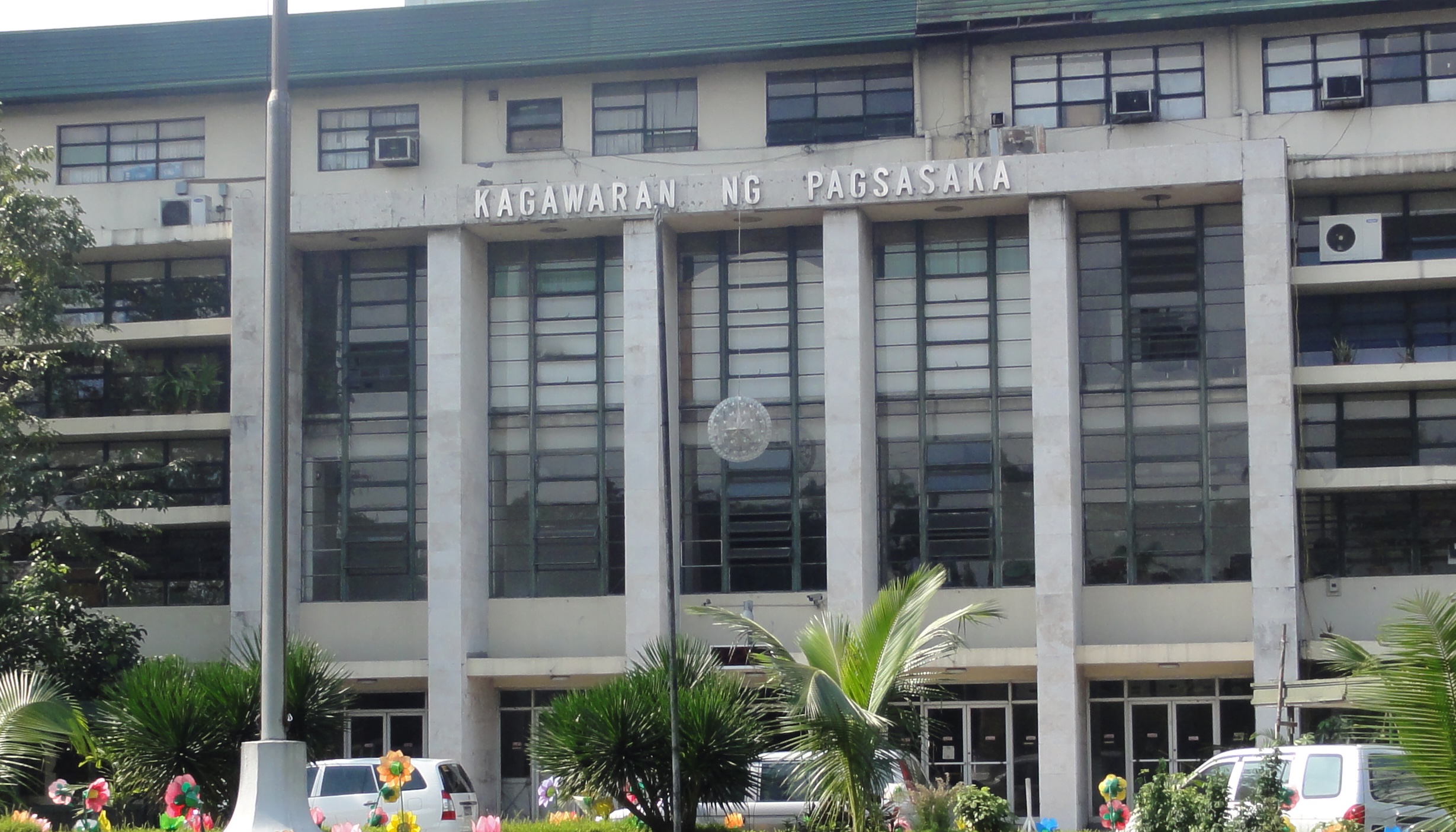
Former Agriculture Secretary Leony Montemayor is calling on the Department of Agriculture (DA) to explain why participation in its procurement bidding process for fertilizers, seeds, and farm inputs appears to be limited — raising concerns that qualified suppliers may already be excluded before bidding even begins.
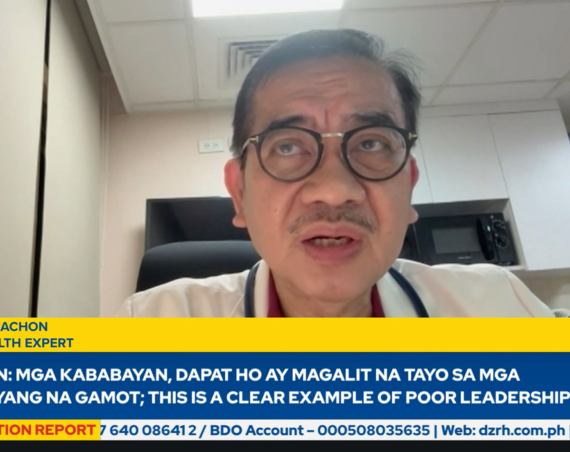
Montemayor, who now heads the Federation of Free Farmers (FFF), aired the concern in an interview on DZRH News program Special on Saturday on April 25, saying the pattern warrants serious scrutiny.
“Ang gusto sana namin maliwanagan: mayroon bang nangyayari sa loob po ng procurement system ng Department of Agriculture na sa umpisa’t umpisa pa ay inetsapwera na po ‘yung ibang pwede naman pong qualified bidders?” Montemayor said.
“Mukhang limited ‘yung mga nakakapag-participate dito sa bidding process,” he said, adding that the key question is whether something within DA’s procurement system is already disqualifying otherwise eligible bidders at the outset.
Beyond limited participation, Montemayor also flagged the concentration of winning contracts. He said some suppliers are cornering disproportionately large shares of supply contracts — particularly in hybrid rice seeds and fertilizers — a pattern he described as raising significant questions about the integrity of the system.
“‘Yung mismo reported na some winning suppliers, napakalaki po ang nako-corner nila sa mga ibini-bid po na supply, halimbawa ng hybrid rice seeds o ‘di kaya ng fertilizer,” he stressed.
Montemayor stressed that the stakes are direct and concrete for farmers. When government-supplied seeds or fertilizers are of poor quality — a risk he said increases when procurement is compromised — farmers suffer crop losses and financial setbacks, while public funds are also wasted.
“A lot of questions have to be answered and clarified para masiguro naman natin na fairly clean ang sistema ng procurement sa loob ng Department of Agriculture,” Montemayor said, “at nakakapagbigay sila ng tamang serbisyo sa ating mga magsasaka.”
The former secretary said he formally wrote to current DA Secretary Francisco Tiu Laurel Jr. about these concerns approximately two months ago. Tiu Laurel responded, according to Montemayor, by committing to a nationwide on-the-ground survey of all DA projects.
As of the interview, however, Montemayor said he had received no update on the survey’s status, nor any clarity on what role farmers’ organizations would be asked to play in the process.
Montemayor noted that a formal mechanism already exists to give farmers a voice in DA procurement and project monitoring — the National Agricultural and Fishery Council system, which operates from the municipal up to the national level.
However, he said the system is largely ineffective in practice because farmers’ representatives lack even basic resources such as transportation and food allowances to conduct monitoring work on the ground.
He called on DA to strengthen this oversight structure, ensure that farmers’ councils have the operational resources to function, and provide them with project lists — including farm-to-market roads and irrigation systems — so that organized farmers can serve as an additional layer of accountability within the department’s procurement and implementation processes.