In the middle of one of the most turbulent weeks in recent Philippine political history, former Senator Gregorio “Gringo” Honasan reached back four decades to find the model of leadership the country needs right now—and the name he came up was a former president who once spent two hours over dinner talking to his political enemies, one by one, and paid for the meal himself.
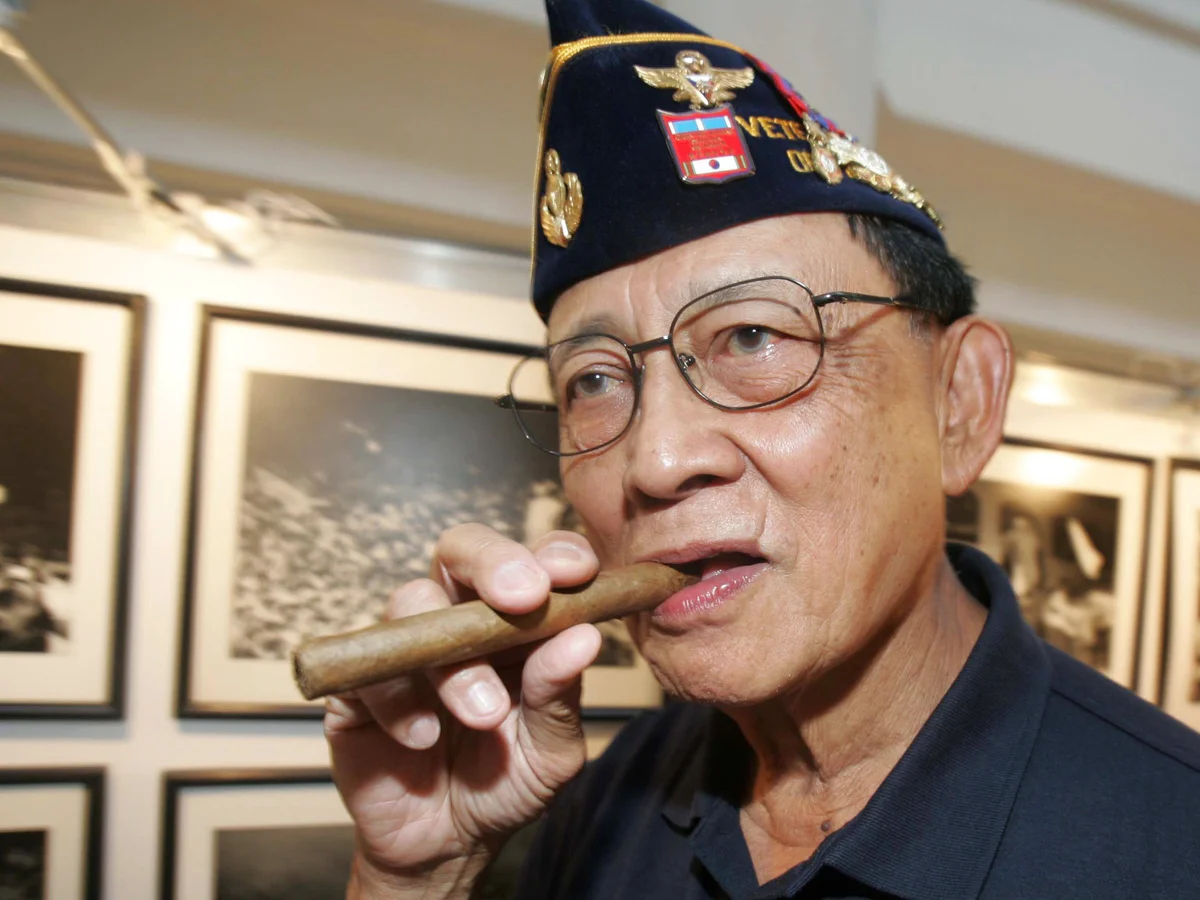
Honasan was a young, newly elected senator when former President Fidel V. Ramos began calling him in for conversations—long, deliberate, unhurried exchanges that left an impression the former soldier-turned-senator has never forgotten.
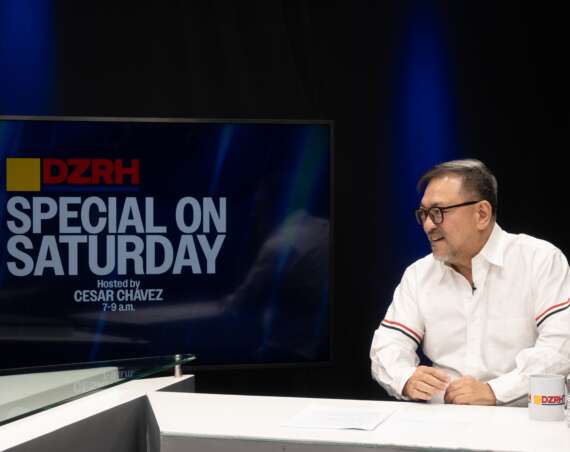
“Kinakausap niya lahat. Ang tiyaga. Ang balita ko dun sa mga nagsilbi sa kabinete niya, ang tulog ni FVR nun siguro mga tatlo hanggang apat na oras,” Honasan said in an interview on DZRH News program Special on Saturday, recalling the patience and discipline that defined Ramos as a leader.
“Imagine mo, workaholic. Ako naman nun, bata lalo na nung nasa serbisyo kami, sabi ko, ‘Ito si President Ramos ang bagal nito magdesisyon, ang bagal gumalaw.’ Kaya pala mabagal dahil very deliberate. May focus,” Honasan said.
Honasan, as a young senator, said Ramos was so focused and so driven that those who served under him initially mistook his deliberateness for slowness.
“Nung nasa serbisyo kami, sabi ko, ‘Ito si President Ramos ang bagal nito magdesisyon, ang bagal gumalaw.’ Kaya pala mabagal dahil very deliberate. May focus,” he said, describing Ramos as a workaholic whose every move was calculated and purposeful rather than reactive or impulsive.
What struck Honasan most, however, was not Ramos’ work ethic but his willingness to extend dignity and respect to those who opposed him—including Muslim rebel leaders who were, by any conventional political calculus, his enemies.
“Dalawang oras siyang kinakausap over dinner. Siya nagbabayad nung pagkain sa Malacañang, at isa-isa. Imagine ‘yung pakiramdam ko noon. Bagito ako, tawagin ka ng Presidente, dalawang oras kayo nag-uusap kasama ‘yung pamilya niya. Palakpak ‘yung tenga ko nun! Binigyan ka ng importansya,” Honasan said.
Honasan said the measure of a leader’s character is most visible not when they are surrounded by allies but when they are in the room with those who oppose them—and that Ramos passed that test consistently.
“Ang sukatan ng pagkatao mo, ng laman-loob mo, nakikita ‘yan ‘pag binigyan ka ng kapangyarihan, o nilagay ka dun sa imburnal, o binigyan ka ng oportunidad na magkaroon ng komunikasyon,” he said.
The former senator said Ramos was the only former president who responded positively to a proposal he floated before the last election—that all living former presidents gather in a room, without media or cameras, to discuss not politics but the national interest.
“Isa lang na former President ang rumesponde, on record: si former President Gloria Macapagal-Arroyo. Siya lang ‘yung nagsabing, ‘Magandang mungkahi ‘yan, former Senator Honasan,'” he said—noting that even that initiative never fully materialized, a reflection of how difficult it has become to convene leaders across political lines.
Honasan said the FVR model is not just a nostalgic ideal but a practical template for what President Ferdinand Marcos Jr. must do right now—reaching out to Vice President Sara Duterte, to political rivals, and to all corners of Philippine leadership, even as the impeachment trial looms.
“Never too late. A day is never too late. 2028 is never too late. Pero gawin, i-prioritize na natin,” he said, urging the President to treat dialogue not as a concession but as a strategic imperative.
He said the lesson of Ramos is ultimately about the difference between a politician and a statesman—and that the country, at this moment, needs the latter.
A politician, Honasan implied, plays a zero-sum game, counting wins and losses in terms of political survival. A statesman, as Ramos demonstrated, understands that the goal is not to defeat the other side but to find the formula—even if it is 70/30 rather than 50/50—that moves the country forward.
“Win-win formula. It does not have to be 50/50, it can be 70/30, pero at least hindi zero-sum game. At least kinausap mo, inabot mo ‘yung kamay mo,” Honasan said.
Honasan also warned of the long-term consequences of failing to adopt the FVR model—saying that every administration that treats its predecessor as the enemy, and every political actor who refuses to extend a hand across the divide, adds another layer to the vicious cycle of retribution and instability that has defined Philippine politics for generations.
“Pagdating natin sa 2028, i-imagine mo, kung ang maupo ay kalaban sa pulitika, walang humpay na naman na habulan ito. Ganti ‘yan. Vicious cycle, never learn,” he said.