The Metropolitan Manila Development Authority (MMDA) has no real power: it can coordinate but not compel, suggest but not enforce, and plan but not fund, and that fundamental weakness is why Metro Manila’s most basic problems remain unsolved after decades, Caloocan City 2nd District Representative Edgar “Egay” Erice said Tuesday.
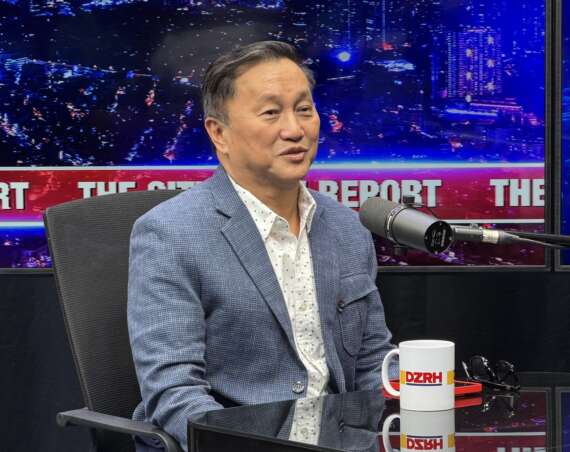
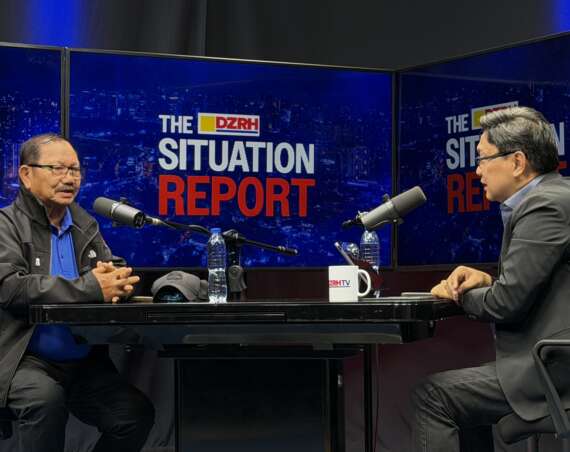
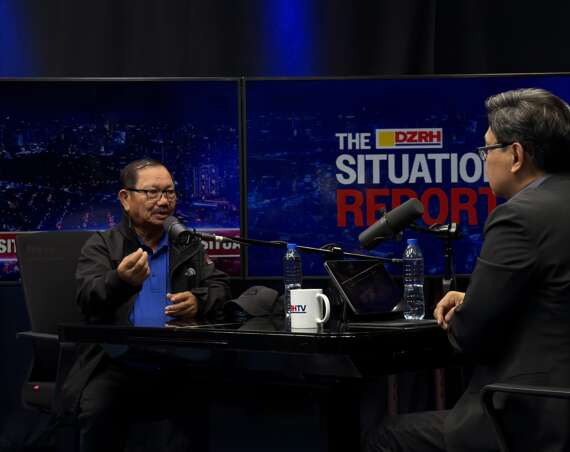
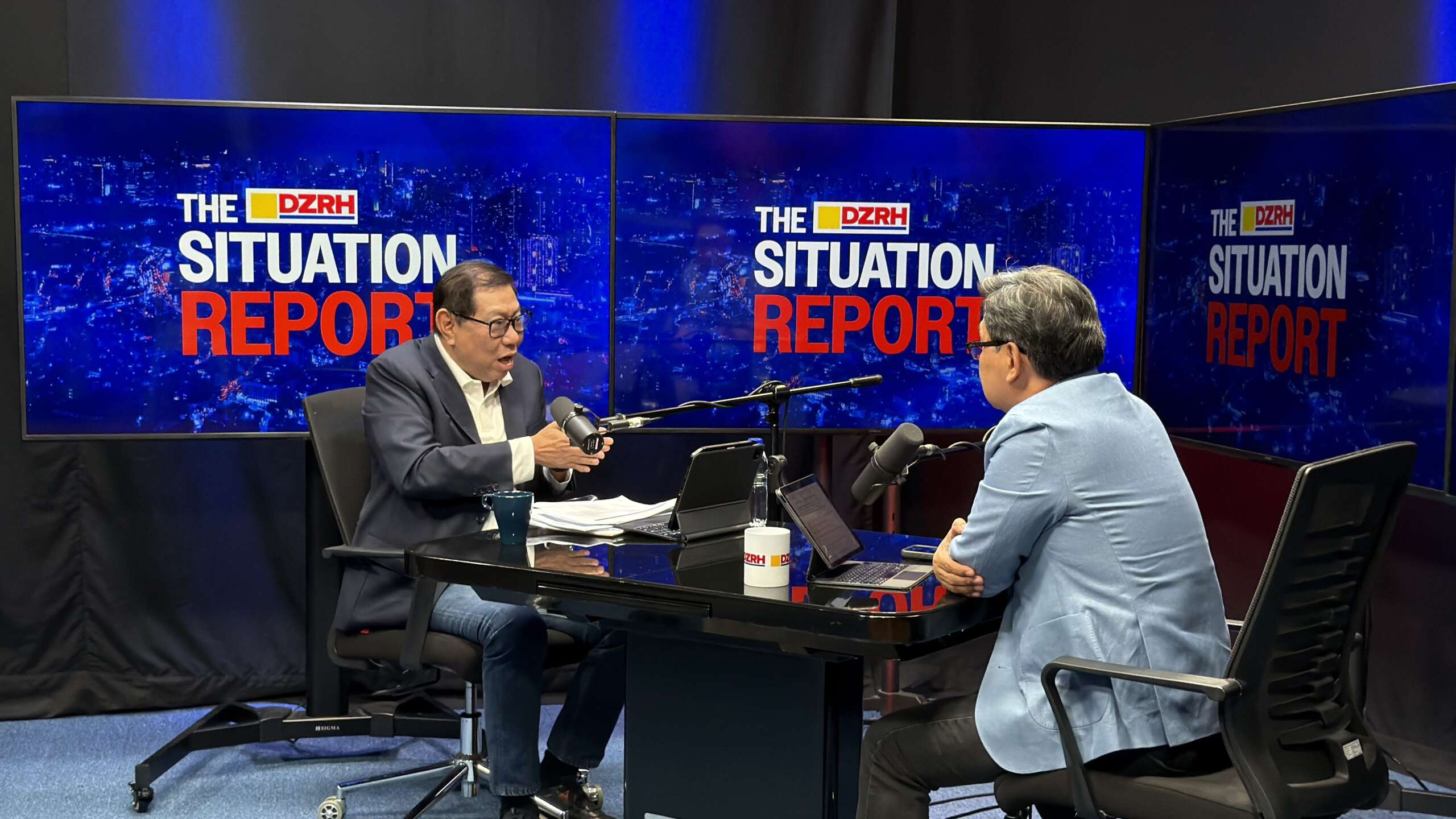
Erice made the statement in an interview on DZRH News program The Situation Report on September 8, drawing a sharp contrast between the MMDA’s toothless coordinating role and the genuine executive authority he says a Metropolitan Government with an elected governor would possess.
The lawmaker said the MMDA’s powerlessness is structural, not incidental: it has no mandate from the voters of Metro Manila, cannot raise its own revenue through bonds or borrowing, and must rely on a 5% share from local governments and whatever support the Office of the President is willing to give.
“Yung MMDA kasi walang kapangyarihan at walang pondo. Umaasa lang ito sa Office of the President, 5% ng LGU, at sa mga LGU. Hindi katulad sa Tokyo. Sa Tokyo talagang mayrong elected — ayan ang aking panukala — elected Metro Manila Governor na siya talagang mag-e-execute ng mga batas, siya mag-e-execute ng budget, at siya magbibigay ng solusyon doon sa mga problema pang-araw-araw,” Erice said.
Erice said the MMDA’s lack of authority is made worse by the fact that mayors of the 17 cities and municipalities that make up Metro Manila are elected, meaning they answer to their own constituents, not to any metropolitan body, and can freely ignore MMDA directives with no consequence.
“Mas nasusunod yung mga mayors kasi sila elected. ‘Yun yung problema,” the lawmaker said, adding that an elected governor with a mandate from the entire Metro Manila electorate would have the political standing to override parochial decisions by individual cities.
Erice gave a concrete example: a 24-hour color coding scheme in Makati that effectively blocks vehicles that are legally allowed to travel through Caloocan, Quezon City, and Mandaluyong—a policy mismatch that affects millions of commuters daily but cannot be resolved because no single authority has jurisdiction over traffic rules across all 17 cities.
He said the solution is not to reform the MMDA but to replace the governance model entirely, with an institution that has elected leadership, legislative authority, fiscal capacity, and clear accountability to the people of Metro Manila.