An analysis by the Environmental and Energy Study Institute (EESI) in 2025 found that the rapid expansion of data centers is driving not only higher electricity demand but also massive freshwater consumption.
“Data centers have a thirst for water, and their rapid expansion threatens freshwater supplies,” the EESI said.
The group noted that only 3% of the Earth’s water is freshwater, and just 0.5% is safe for human consumption.
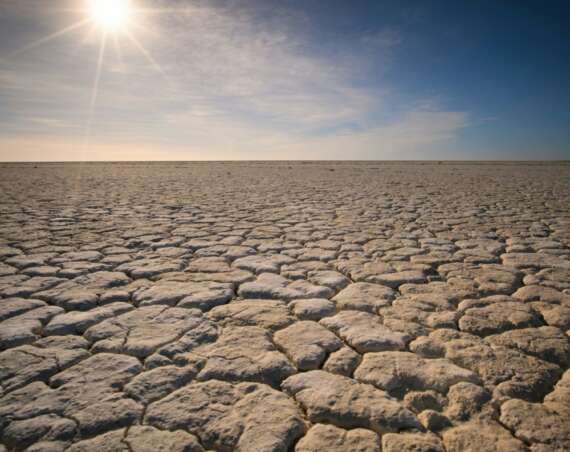
“On average, a human being can live without water for only three days. Increasing drought and water shortages are reducing water availability. Meanwhile, data center developers are increasingly tapping into surface and underground aquifers to cool their facilities,” it added.
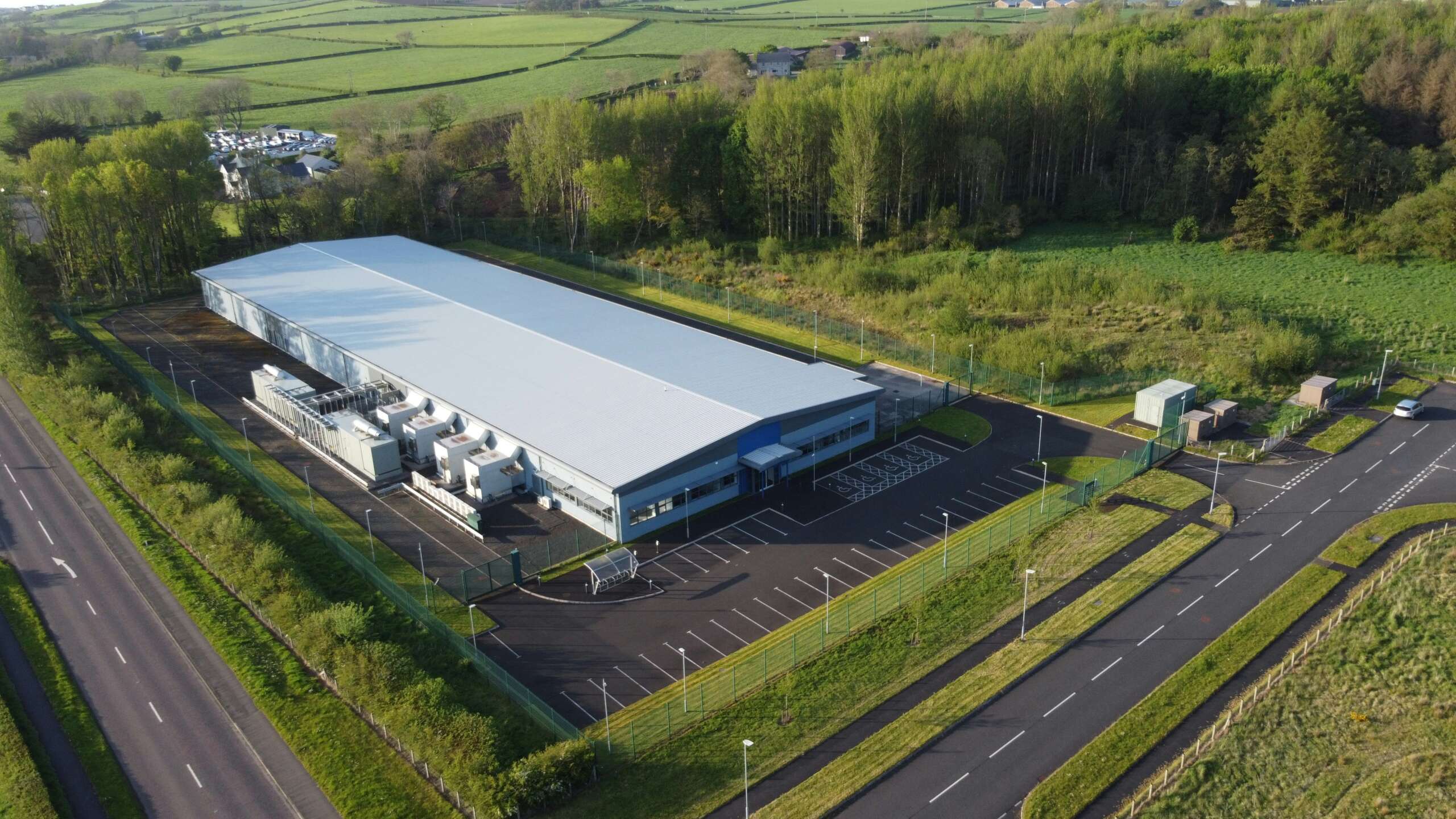
According to EESI, data centers use billions of gallons of freshwater annually to prevent high-density processors from overheating. Cooling systems—especially in hotter climates—require large volumes of water, particularly through evaporative cooling.
A medium-sized data center consumes about 10 million gallons of water per year for cooling, roughly equivalent to the annual water use of 1,000 households. Larger facilities can draw up to 5 million gallons per day, or about 1.8 billion gallons annually—comparable to the water demand of a town with 10,000 to 50,000 residents.
Beyond direct use, data centers also have a significant indirect water footprint through electricity generation. In the United States alone, this accounted for an estimated 211 billion gallons of water consumption in 2023.
“A 2016 report found that fewer than one-third of data center operators track water consumption. Water consumption is expected to continue increasing as data centers grow in number, size, and complexity,” the EESI said.
With the rapid rise of artificial intelligence and increasing demand for computing power, the report warned that data centers may compete with local communities for freshwater resources.
To address environmental concerns, the tech industry is exploring alternative cooling methods. These include direct-to-chip cooling, where liquid coolant flows directly over processors, and immersion cooling, where servers are submerged in non-conductive fluids to minimize water use.
Other proposed solutions include reusing municipal wastewater and adopting closed-loop cooling systems to reduce reliance on freshwater.
“Given that 176 terawatt-hours (TWh) of electricity were consumed by data centers in 2023, the centers’ indirect water consumption can be estimated at 1.2 gallons per kWh on average nationally in 2023. As data centers are expected to consume up to 1,050 TWh annually by 2030, water usage will increase in parallel,” the EESI said.
The group also noted that the water use of 5,426 data centers across the United States is already affecting local communities. In Northern Virginia—considered the world’s data center capital, with more than 300 facilities across Fairfax, Loudoun, Prince William, and Fauquier counties—data centers consumed nearly 2 billion gallons of water in 2023, a 63% increase from 2019.
EESI urged policymakers to consider renewable energy sources such as solar and wind to reduce water demand linked to electricity generation.
“If the United States moves toward 100% renewable energy generation and the retirement of fossil fuel plants, the water savings would be enormous, with billions of gallons of water saved, and more freshwater would be available for both human consumption and natural ecosystems,” it said.