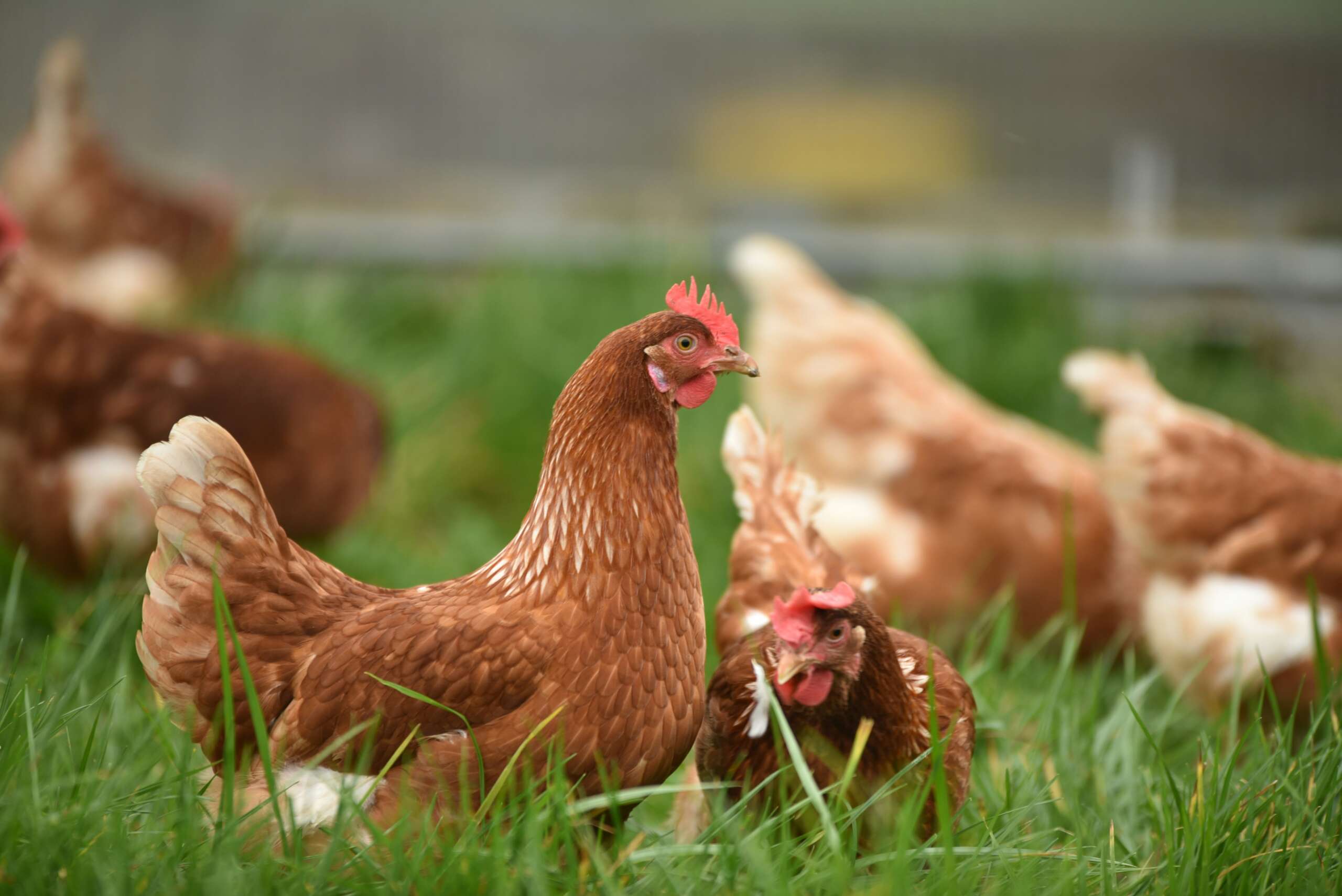
To improve meat quality and reduce agricultural waste, a new study has identified an unexpected potential food additive for poultry feed: residues from the Cannabis sativa plant.
Researchers in Thailand found that supplementing broiler chicken feed with cannabis residues does not hinder the birds’ growth performance. Instead, it may improve meat quality and enhance its umami, or savory, flavor.
The study, published in 2025 in the open-access journal Animals, examined the potential use of cannabis plant byproducts as a poultry feed supplement.
HOW THE STUDY WAS CONDUCTED
Thailand has pioneered legal reforms allowing the use of cannabis for medicinal and industrial purposes.
However, the growing cannabis industry has also generated substantial amounts of plant biomass waste, particularly leaves, stalks, and stems left over after flowers are harvested for their valuable cannabinoids.
Researchers from King Mongkut’s Institute of Technology Ladkrabang, Chiang Mai University, and National Chung Hsiang University investigated whether these byproducts of the Cannabis sativa plant could be safely and effectively repurposed as animal feed, particularly for poultry.
The researchers noted that broiler chickens are “prized for their rapid growth, larger breast muscles, and nutritional benefits, including a higher polyunsaturated fatty acid (PUFA) content than beef and pork.”
However, broiler production also faces several challenges, including oxidative stress, which can negatively affect the birds’ health, production efficiency, and meat quality.
For the experiment, 256 male Ross-308 broiler chicks were divided into four groups. They were given either a standard basal diet or diets supplemented with 0.5%, 1%, and 2% Cannabis sativa residues over a 40-day period.
RICHER UMAMI FLAVOR: STUDY FINDINGS
The researchers found that adding cannabis residues to poultry feed had no adverse effects on the birds’ overall survival rates, body weight, or production efficiency, although it resulted in a moderate reduction in average daily feed intake.
The study also revealed that broiler chickens given feed supplemented with 2% cannabis residues had a statistically significant increase in meat moisture content and a decrease in overall fat content, resulting in leaner meat.
Researchers also observed significant increases in certain amino acids in the supplemented groups, which contribute to the savory umami flavor of meat.
Based on their findings, the researchers concluded: “Therefore, CR could be an effective feed additive to enhance broiler meat’s flavor and nutritional properties. Further studies are needed to verify these results and to understand the mechanisms involved.”
They added that using Cannabis sativa residues as a feed supplement could not only improve chicken flavor and nutritional value but also promote a zero-waste approach to agricultural production in the emerging cannabis industry, while delivering potential improvements to poultry meat quality.