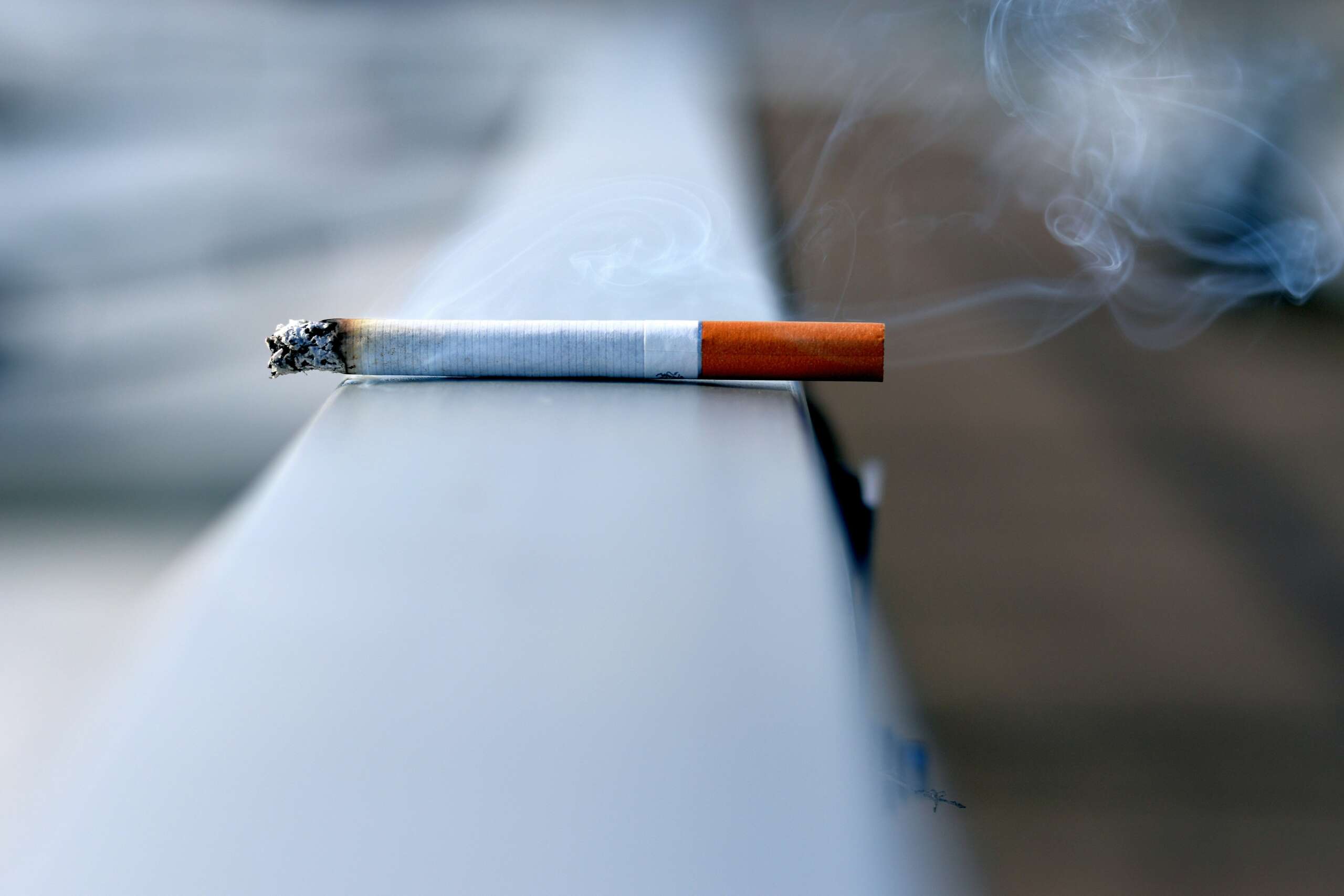
Sweden has met its target of becoming smoke-free by 2025, with fewer than five percent of its population smoking cigarettes daily, although some still use nicotine in other forms, a report showed.
A report by the Swedish Council for Information on Alcohol and Other Drugs found that the share of daily smokers in Sweden declined from 16% in 2003 to 4.8% in 2025. A country is considered smoke-free if less than five percent of its population smokes daily.
Data from Public Health Agency of Sweden showed that 5.4% of the population were daily smokers in 2024, with the next survey scheduled in 2026.
The report also found that women aged 50 to 84 comprised the largest group of daily cigarette smokers at 6%.
HOW SWEDEN ACHIEVED SMOKE-FREE STATUS
Reports attribute the decline in smoking to the widespread use of snus, a form of moist snuff placed under the upper lip, either in pouches or loose.
Snus can be made with or without tobacco, with the tobacco-free version—often called “white snus”—typically containing sweet flavorings that appeal to younger users.
Tobacco snus has been banned in the European Union since 1992, although Sweden secured an exemption when it joined the bloc in 1995.
The CAN report said that in 2025, 24% of Swedes used nicotine daily through cigarettes, snus, or vaping products. Of these, 19% used some form of snus daily, up from 12% in 2007.
“While the health effects of cigarette smoking are well known, we know far less about snus and the new nicotine products,” the report said.
“Studies have shown that vaping can, among other things, increase the risk of certain lung diseases. Even less is known about white snus, but there is information indicating that nicotine content may be higher than in corresponding tobacco products,” it added.
CAN cited sales data showing a 180% increase in white snus sales from 2021 to 2024, while sales of vape liquids rose by 640% over the same period.