A landmark study has found that adopting sustainable diets and cutting food waste by half could significantly reduce global farmland use, lower agricultural emissions, and drive a major economic shift away from livestock production toward plant-based crops.
The study, published in the journal Nature, analyzed how a global transition to healthier diets, improved farm productivity, and a 50% reduction in food loss and waste would affect the global economy and land use by 2050.
“Food systems are a major contributor to exceeding planetary boundaries and poor quality diets are a key mortality risk globally. Projected population and income growth could exacerbate these challenges. In response, there are calls for transformation towards healthy and sustainable food systems,” the researchers said.
Using 10 global economic models, the researchers found that such a transition could deliver both environmental and health benefits, but would require careful policy planning to manage potential economic disruptions, particularly in rural communities.
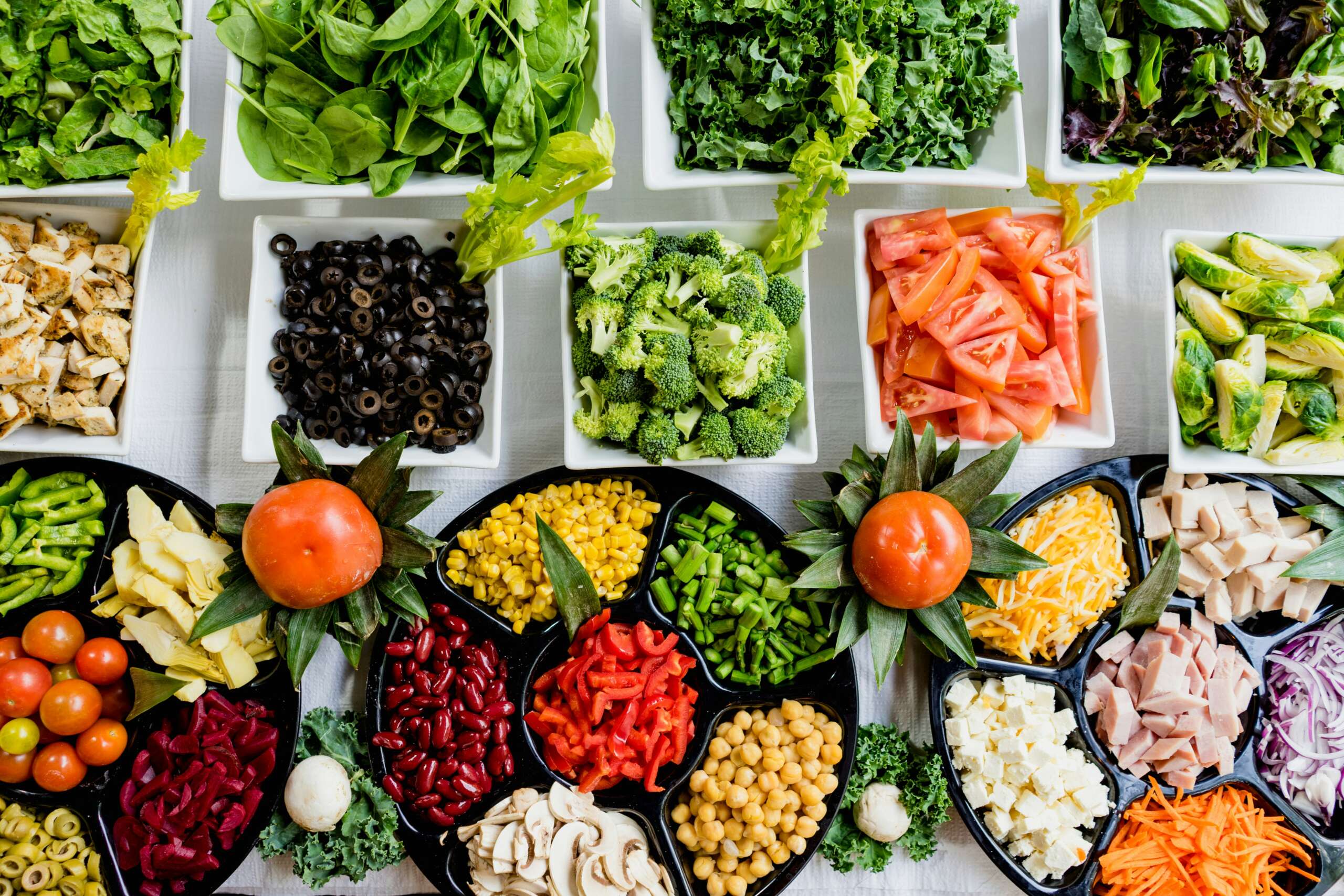
The analysis showed that if people worldwide shift to healthier diets—such as the EAT-Lancet reference diet—total agricultural land use could decline by 6% compared to 2020 levels, reversing the historical expansion of farmland into natural ecosystems.
The study also found that the overall value of agricultural production could be 26% lower by 2050, compared with a system heavily reliant on livestock.
Globally, the economic value of livestock production could fall by 49% to 83% by 2050 as demand shifts toward plant-based foods.
In contrast, the production value of fruits, vegetables, nuts, and legumes could increase by 23%, the study said.
As dietary preferences shift away from red meat and dairy, crop farmers would need to increase production of plant-based proteins, legumes, fruits, and vegetables.
However, livestock-dependent communities could face significant challenges without proactive government support, the researchers warned.
Lead author Matthew Gibson and senior author Mario Herrero said achieving a sustainable food system will require active policy intervention rather than relying solely on market forces.
The study recommends that governments implement policies to incentivize sustainable farming practices, support vulnerable livestock farmers during the transition, and ensure access to affordable, nutritious food for low-income populations.
“We highlight a more active role for food policy to consider the benefits of such a transformation (improved population health and reduced environmental pressures) and navigate the political economy of its impacts,” the researchers said.