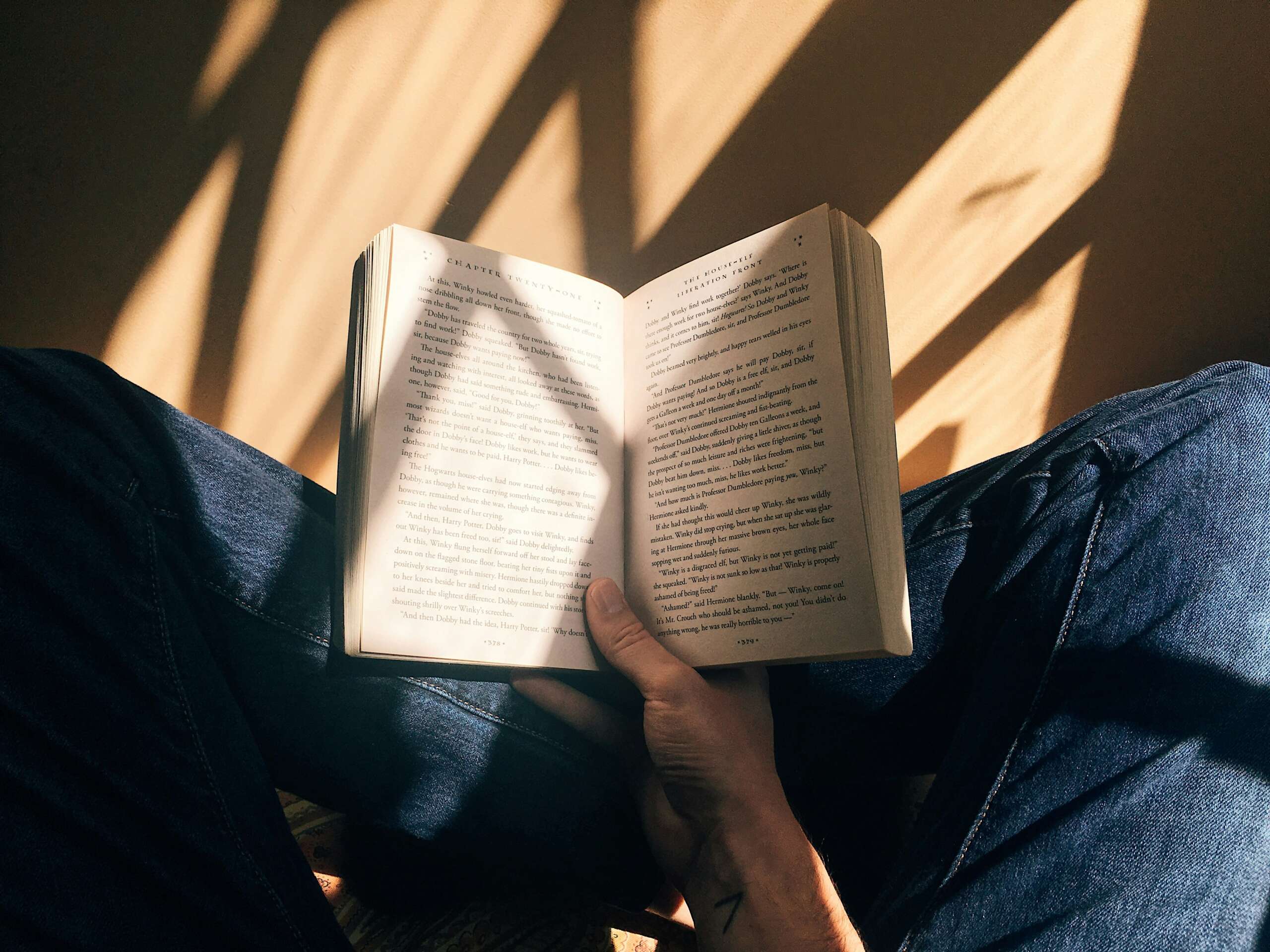
A study has found that people who read books for at least 30 minutes a day tend to live longer than those who do not.
The research, published in the journal Social Science & Medicine, examined the reading habits of 3,635 individuals aged 50 and above over a 12-year period.
Participants were grouped into three categories: those who read for more than 3.5 hours per week, those who read for up to 3.5 hours per week, and those who did not read at all. The analysis controlled for factors such as gender, race, and education.
Researchers found that those who read for more than 3.5 hours a week were 23% less likely to die during the study period, while those who read for up to 3.5 hours weekly were 17% less likely to die compared with non-readers.
The study, conducted by Avni Bavishi, Martin Slade, and Becca Levy of the Yale University School of Public Health, found that increased reading time was associated with longer survival. However, the researchers noted that “as little as 30 minutes a day was still beneficial in terms of survival.”
The findings also showed that reading books offered greater benefits than reading newspapers or magazines. “We found that reading books provided a greater benefit than reading newspapers or magazines,” Bavishi said, adding that books engage readers’ minds more deeply and may contribute to increased lifespan.
The paper explained that book reading involves cognitive processes such as “slow, immersive” deep reading, where readers draw connections, apply ideas to real life, and engage with the material.
Overall, the study found that book readers lived nearly two years longer on average than non-readers, suggesting that reading books may offer a measurable “survival advantage.”
Researchers concluded that reading books not only provides knowledge and enjoyment but may also contribute to longer life, noting that “books may not only introduce some interesting ideas and characters, it may also give more years of life.”