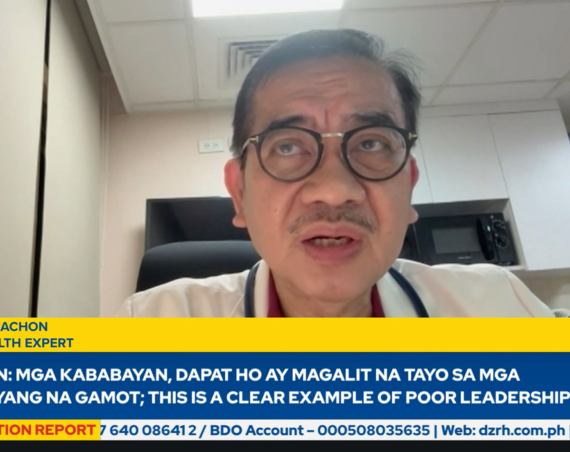
University of the Philippines (UP) National College of Public Administration and Governance (NCPAG) Dean Dr. Kristoffer Berse gave President Ferdinand Marcos Jr. a passing grade at the four-year mark of his presidency—but stopped short of calling his performance exceptional, saying there are still significant areas for improvement with two years remaining in his term.
“Pasado naman, especially given the problems na hinarap in the past 4 years. Pasado naman, passing, but not really exceptional I would say. Ibig sabihin meron pang areas for improvement, pwede pang hatakin,” Berse said in an interview on DZRH News program “Special on Saturday” on June 6.
Berse identified foreign affairs as the Marcos administration’s strongest suit, citing the President’s efforts to strengthen ties and alliances with traditional partners and to articulate a clear Philippine position on major international issues.
“Siguro yung positive would be the foreign affairs. I think yung pag-strengthen ng ties and alliances at pagkakaroon ng malinaw na posisyon on foreign issues, I think that’s quite significant,” Berse said.
The dean also cited the Philippines’ attempt to secure a seat in the United Nations Security Council as an ambitious and commendable move—even though the bid was ultimately unsuccessful.
“Even yung attempt natin to gain a seat in the UN Security Council, it’s quite ambitious kahit na hindi natin nakuha. Yung pag-strengthen ng ties with old alliances, I think if only for a matter of clarity in terms of our positioning, that’s something na pwedeng maipagmalaki,” he said.
Berse also praised the quality of some of the Marcos administration’s key appointments—particularly in the economic team and in positions related to foreign trade and investments.
“Yung pag-appoint sa some positions, halimbawa yung economic team, active sa foreign group also on trade and investments. Those are quite maganda yung mga appointments dun,” he said.
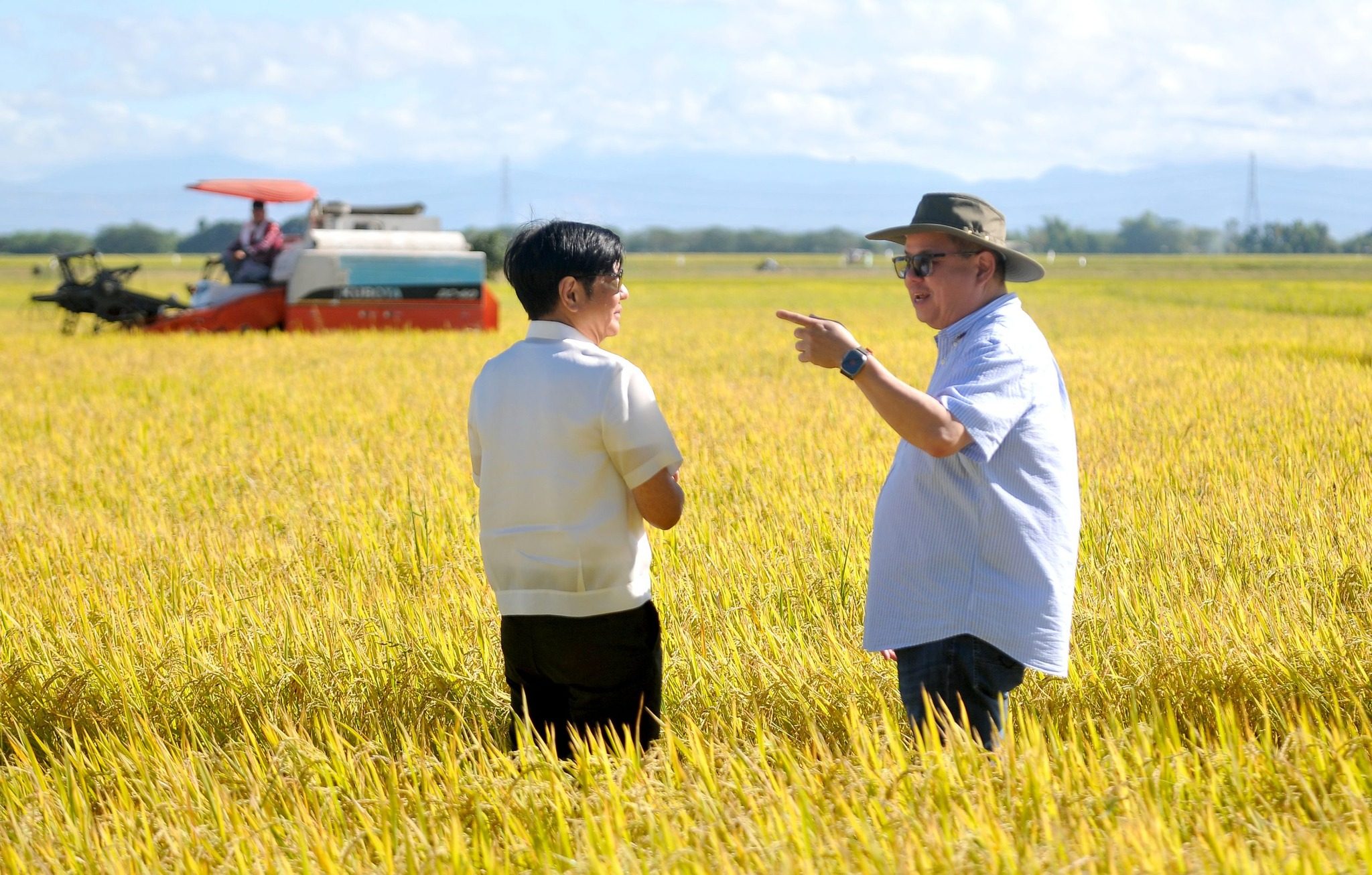
On the other side of the ledger, Berse identified agriculture and food security as the Marcos administration’s most glaring failure—noting that it was one of the primary agenda items when Marcos won the presidency, and that Marcos himself briefly served as acting agriculture secretary, yet no impactful change has been achieved.
“When it comes to kung ano ba yung kailangan malaki ang improvement, I would say sa agriculture siguro. Kasi remember when the president won, and in fact he also served as acting agriculture secretary for some time, isa yun sa mga primary agenda niya: agriculture at food security. Hanggang ngayon, wala pa ring nagkakaroon ng impactful na change pagdating dun sa usaping yun,” Berse said.
The dean said agriculture’s failure to improve is particularly significant because it directly affects food security—an issue with cascading consequences for inflation, rural livelihoods, and the economy—and that the administration has had four years to make meaningful progress on a sector it explicitly prioritized.
He described it as the single biggest area where Marcos still needs to deliver before his term ends in 2028.
Berse’s assessment comes against the backdrop of a Senate paralyzed by political infighting—a context he said further complicates the government’s ability to address pressing national concerns including the looming super El Niño, rising prices, and the upcoming SK and barangay elections.
He warned that as the country moves closer to the election period, the window for meaningful legislative and executive action on these issues will continue to narrow.
The dean noted that the Senate’s dysfunction affects not just lawmaking but also its critical oversight function—removing the check on executive power that the Constitution designed the legislature to provide, and potentially allowing problems in government program implementation to go unmonitored.
“Dun nila na-e-exercise yung kanilang power to basically make sure na namo-monitor din yung implementation ng mga programa ng gobyerno ng executive,” Berse said, noting that a paralyzed legislature weakens the entire system of accountability.
Berse said the Marcos administration’s record over the next two years will be critical—and that the remaining time in the presidency represents both an opportunity and a test of whether the administration can deliver on the areas where it has so far fallen short.
He said what matters most for the final stretch is whether the government can translate its foreign policy gains and economic team strengths into tangible improvements in the daily lives of ordinary Filipinos—particularly those in the agricultural sector.