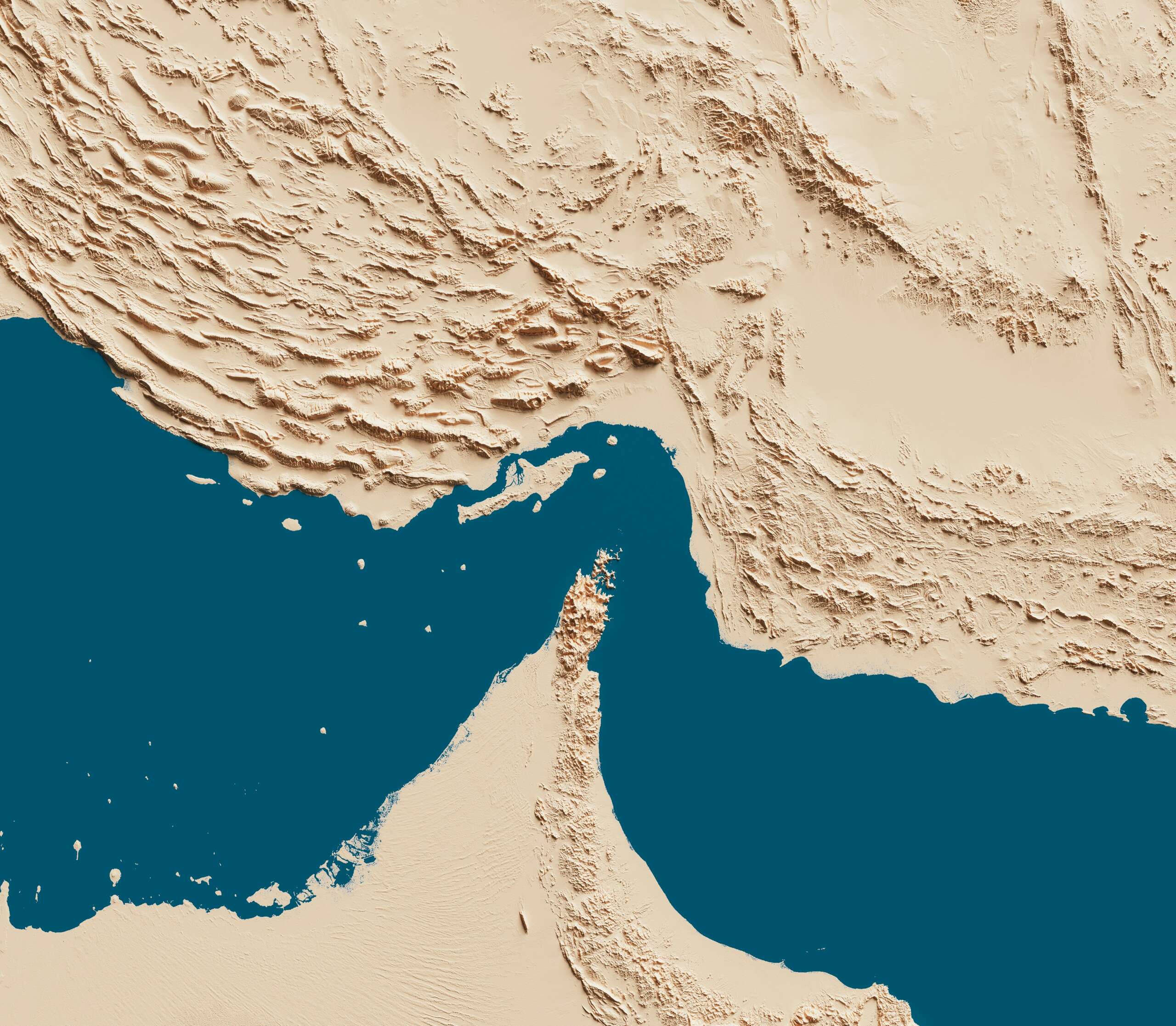
SINGAPORE, June 22 (Reuters) – Oil prices rose on Monday after shipping through the Strait of Hormuz slowed while talks between U.S. and Iranian officials in their first meeting under an interim peace deal were off to a bumpy start.
Brent crude futures climbed 54 cents or 0.67%, to $81.11 a barrel by 0030 GMT, after touching a high of $82.30 at the start of trading.
U.S. West Texas Intermediate crude futures were at $78.62 a barrel, up $2.02, or 2.64% ahead of the contract’s expiry later on Monday. The more active August contract rose $1.43 to $77.28 a barrel. There was no settlement in the U.S. market on Friday due to a holiday.
The number of ships that passed the Strait of Hormuz fell sharply on Sunday after Iran announced it had again closed the waterway, citing Israeli and U.S. violations of the interim peace deal, shipping data showed.
“The market’s expectation of the opening of the Strait has been premature,” MST Marquee head of energy research Saul Kavonic said.
“Iran is likely to continue to find pretexts to stymie flows through the Strait, as that remains their only point of leverage into the mid-terms which they are unlikely to let go of.”
U.S. President Donald Trump threatened to resume attacks on Iran even as U.S. Vice President JD Vance met Iranian officials on Sunday for the first talks under an interim peace deal, while Tehran said the U.S. had failed to meet its commitment to halt fighting in Lebanon.
Israeli strikes in Lebanon killed at least 20 people on Saturday, Lebanon’s state news agency NNA said, one day after a ceasefire with Hezbollah took effect, aimed at halting months of escalating violence.
“The situation in Lebanon continues to pose a serious ongoing threat to both the ceasefire and the reopening of the Strait,” IG market analyst Tony Sycamore said in a note.
Still, oil prices fell more than 8% last week on expectations of more supply from the release of cargoes stranded inside the Gulf and the potential lifting of U.S. sanctions on Iranian oil as part of the U.S.-Iran deal.
Over 25 million barrels of Iranian oil have passed through the virtual blockade line since Monday, the head of the National Iranian Oil Company, Hamid Bovard, told state TV on Sunday.
The United Arab Emirates, Kuwait and Iraq have offered more oil to customers in the past week.
Iraq plans to restore crude oil production gradually to between 4.2 million and 4.3 million barrels per day, Iraq’s deputy oil minister for upstream affairs said in a statement on Sunday. — Reuters