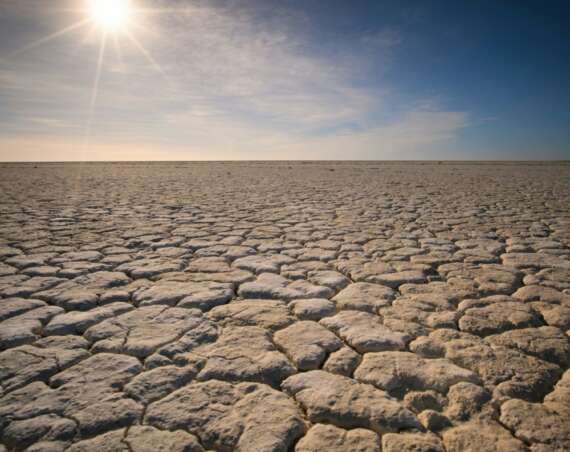
Nuclear plants along the Danube river in Hungary and Romania were forced to cut output this week and could be shut down completely in the coming days due to record low water levels.
In France, where nuclear power provides roughly two-thirds of the country’s electricity, output has also had to be cut because rivers are unable to provide water for cooling. Researchers say the problem has become a seasonal risk as climate change makes extreme heat and droughts more frequent.
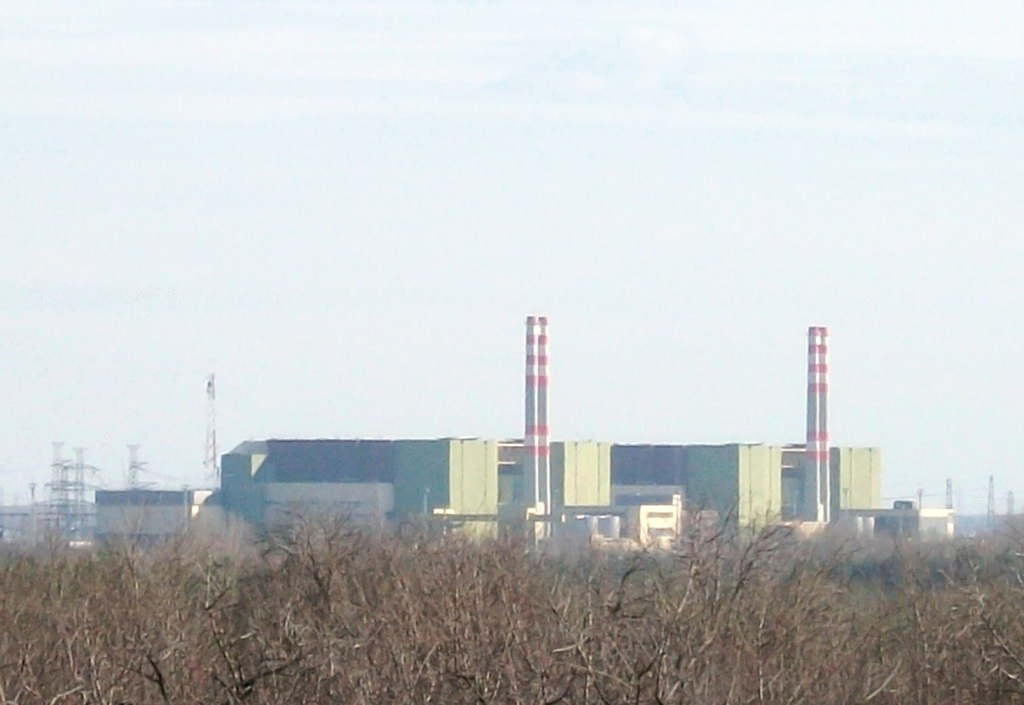
Hungary’s Paks nuclear plant could be powered down on Thursday or Friday, Prime Minister Peter Magyar said on Thursday.
The plant, which operates four Russian-built reactors with total capacity of 2 gigawatts and produces nearly half of Hungary’s electricity, started cutting output on Monday and is running at less than 50% of capacity.
Magyar said the shutdown of the nuclear plant and an expected 20% jump in electricity demand in the evening peak hours due to the heatwave could result in a critical situation by Monday.
He also said another 400 megawatts of electricity production were lost due to a malfunction at Hungary’s largest gas-fired power plant in Szazhalombatta.
MORE IMPORTS AND PRESSURE ON THE GRID
The closures increase dependence on imported power when the grid is already under strain from increased demand linked to the use of air conditioning, while supplies have been curbed.
Magyar said that Hungary has import capacity of 3,600 to 3,800 megawatts, which could cover electricity needs in the event of a Paks shutdown.
The prime minister said the electricity grid operator will ask large consumers, including battery and car manufacturers, to voluntarily reduce electricity consumption between 5 p.m. (1500 GMT) and 10 p.m. local time. The government also asked citizens not to charge electric cars or use air conditioners in those hours.
“It is in our common interest to avoid unplanned shutdowns and a system collapse,” Magyar said.
Earlier he said the government had a contingency plan and a list of large electricity and water consumers — mostly industry players — whose consumption could be limited temporarily in an emergency.
The average peak temperature for Hungary on Thursday was forecast to be 35 degrees Celsius (95 degrees Fahrenheit), 8.8 degrees above the normal high for July 30-31, the Reuters Climate Monitor shows.
In Romania, nuclear power producer Nuclearelectrica said on Thursday that its second reactor remained connected to the power grid as conditions allowed it to operate for now despite the low river levels.
On Wednesday, the company said that its second reactor will be shut down from Thursday after the first one was disconnected earlier this week.
State-owned Nuclearelectrica has two 706-megawatt reactors at Cernavoda on the Danube, accounting for roughly a fifth of Romania’s power production.
Romanian Prime Minister Ilie Bolojan, who said the shutdowns could last for one to two weeks, urged Romanians late on Wednesday to voluntarily reduce power consumption in the evenings.
Apart from the impact on nuclear power, the record low water levels on the Danube, one of Europe’s busiest waterways, have disrupted cargo and river cruises. — Reuters