The Inter-Agency Energy Efficiency and Conservation Committee (IAEECC) reminded government agencies to conserve energy amid the U.S.-Iran conflict.
Tensions in the Middle East caused a surge in oil prices, reaching almost $83 per barrel on Tuesday, the highest since January 2025, as reported by Goldman Sachs.
In order to save on energy costs, the inter-agency committee’s chairperson, Energy Secretary Sharon Garin, urged government agencies to comply with the Government Energy Management Program (GEMP).
“To mitigate the impacts of ongoing international developments and to ensure ample electricity supply during the hot dry season, the mandatory implementation of energy efficiency and conservation measures to achieve at least 10% savings, as well as strict compliance with the GEMP Guidelines and relevant IAEECC resolutions, is hereby enjoined,” the committee said in a statement.
This reminder came after President Ferdinand “Bongbong” Marcos Jr. told government agencies to save energy amid the conflict in the Middle East.
The IAEECC outlined the following required energy conservation practices:
- Activating sleep settings on office equipment;
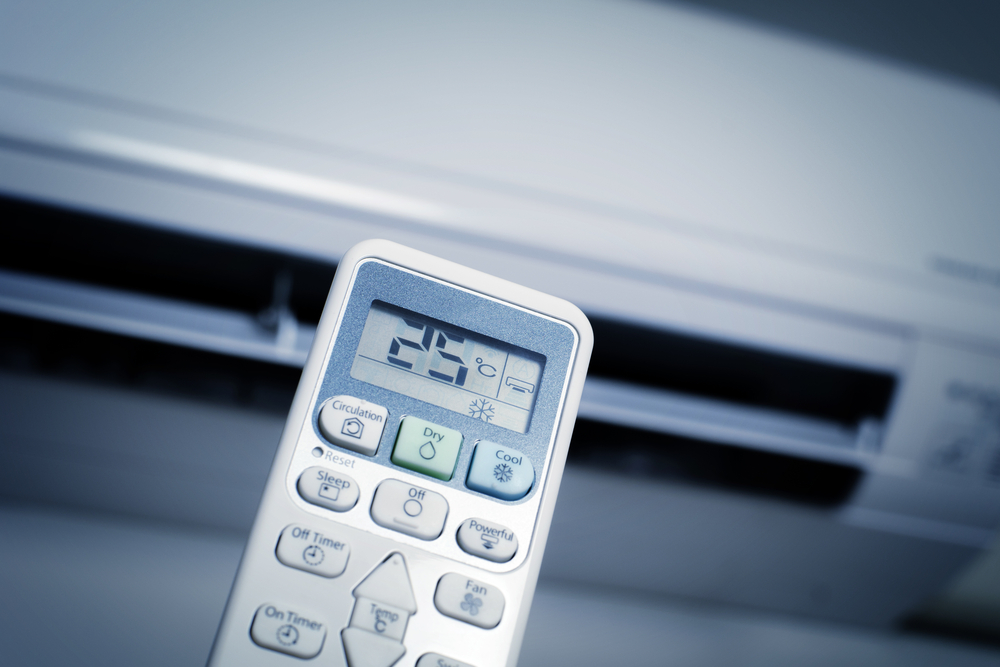
- Setting air-conditioning unit (ACU) thermostats to no lower than 24 degrees Celsius and ensuring doors of air-conditioned spaces remain closed;
- Adopting Flexible Work Arrangements or implementing eight straight working hours, where practical and in accordance with applicable rules;
- Turning off lights and computers during lunch breaks (except in offices with a “No Noon Break” policy), after office hours, and when not in use;
- Replacing lighting systems with LED and air-conditioning units with inverter technology, and using appliances with higher energy efficiency ratings; and
- Utilizing on-site renewable energy sources, such as solar photovoltaic (PV) systems, where feasible.
Government agencies are also required to designate Energy Efficiency and Conservation (EEC) professionals, including an EEC officer, focal person, and coordinator.
Garin said the Department of Energy will closely monitor government agencies’ compliance, with the DOE Energy Audit Team conducting random spot checks and issuing corresponding energy ratings.