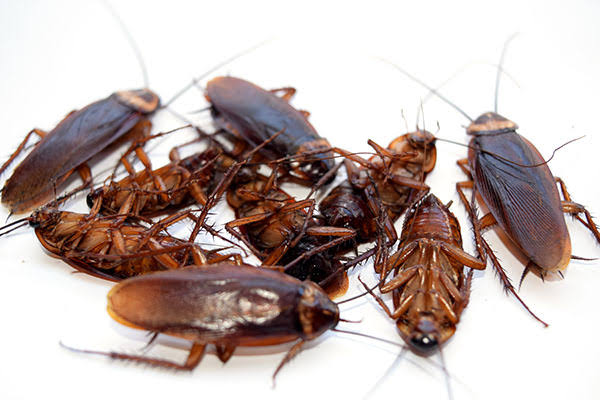
While the world focuses on the potential impacts of global warming on human health and the economy, a study has highlighted another overlooked threat: the rise of cockroaches and flies and their potential role in spreading infectious diseases.
The study, led by Dr. Alexandra Hiscox alongside researchers from Arctech Innovation and the London School of Hygiene & Tropical Medicine (LSHTM), highlighted a critical yet often overlooked vulnerability in post-disaster settings: the rapid proliferation of household pests that could significantly increase the risk of infectious disease outbreaks.
Researchers warned that current global climate adaptation frameworks focus heavily on mosquitoes, often overlooking other pests that thrive in human settlements.
As global warming intensifies the frequency and severity of extreme weather events, including floods, storms, and heatwaves, conditions may become increasingly favorable for uncontrolled pest populations, posing additional threats to public health.
HOW GLOBAL WARMING MAY FUEL COCKROACH AND FLY POPULATIONS
Unlike mosquitoes, which rely on stagnant water to breed, cockroaches and flies can thrive in environments affected by damaged infrastructure and poor sanitation.
When extreme weather events disrupt local water, sanitation, and hygiene (WASH) systems, overflowing sewage, uncollected waste, and damaged food supplies create ideal breeding grounds for these insects.
High atmospheric humidity may further accelerate their reproduction and improve their survival rates.
Researchers highlighted that an increase in fly populations could facilitate the spread of pathogens from exposed human feces and rotting food to household kitchens and meals.
Both flies and cockroaches can carry disease-causing pathogens, with post-disaster pest surges potentially contributing to increased cases of infectious diarrhea, a leading cause of illness and death in emergency settings.
Meanwhile, power disruptions and overcrowded emergency shelters may force people into closer and more frequent contact with these pests, further increasing the risk of disease transmission.
Despite these public health concerns, the authors emphasized that household pests remain largely overlooked in major international climate resilience plans.
RESEARCHERS CALL FOR STRONGER PEST SURVEILLANCE, DISEASE PREVENTION
In response, the study’s authors called for further research into the relationship between climate conditions, household pest populations, and disease transmission to help prevent future outbreaks.
“We recommend investment in research to better understand the impact of these climate variables on pests and their transmission of disease, as well as increased surveillance and modelling to combat threats and provide advance warning of likely outbreaks,” they said.
“Further development of pest control products, climate-proof WASH systems, as well as educational programs are essential elements for prevention and control of hygiene-related pests and the diseases they transmit.”
The researchers also called for stronger public-private partnerships to improve preparedness, protect public health, and reduce the risks associated with extreme weather events.
© Anthem Pest Control