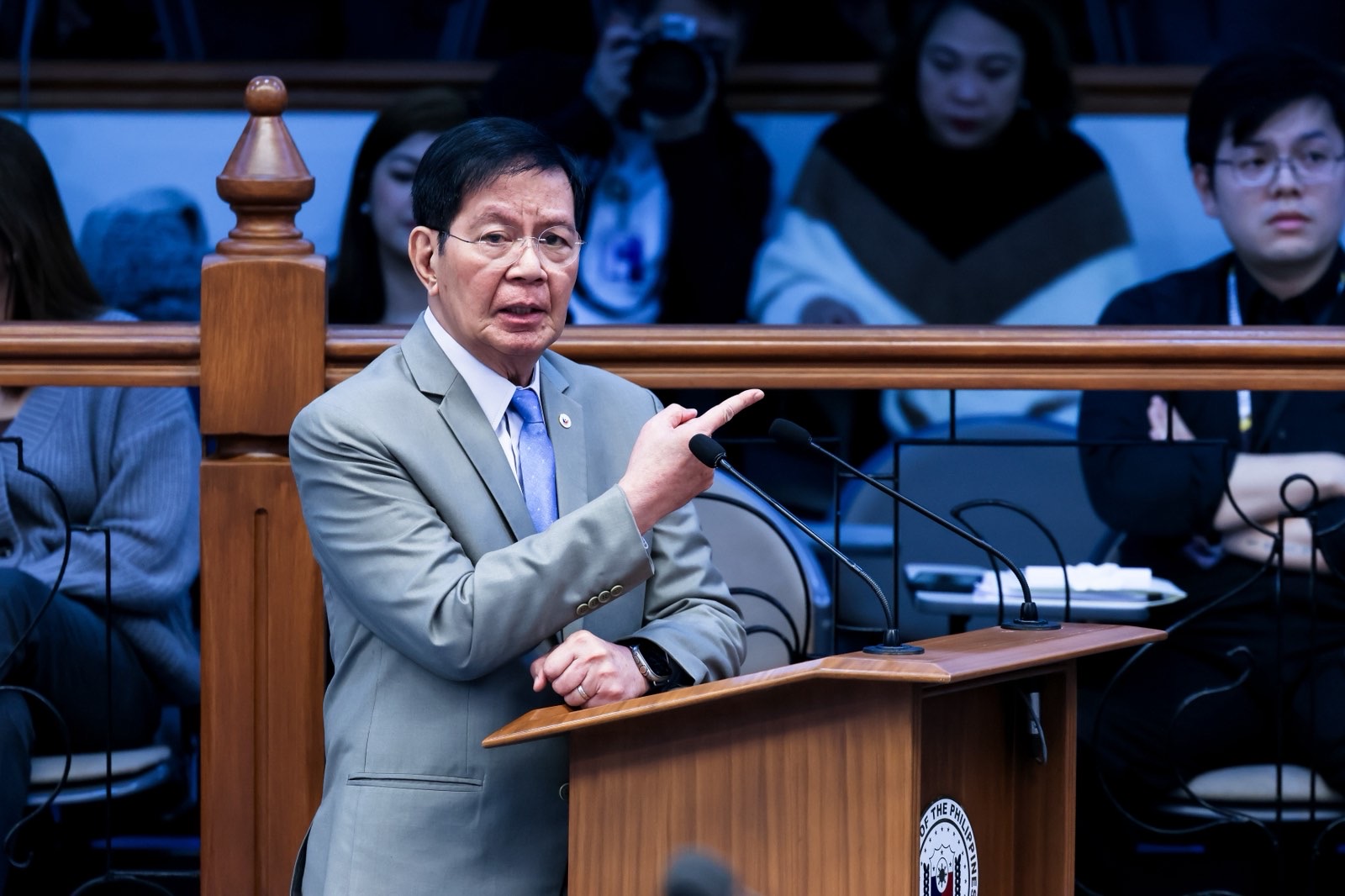
Even senators themselves privately acknowledge that the institution’s reputation has sunk to its lowest point in recent memory, with Senator Panfilo “Ping” Lacson saying the public anger directed at the Senate in the wake of the May 13 shooting incident and the ongoing political turmoil is organic, genuine, and no longer containable.
“Aminin man namin o hindi, talagang mababang-mababa ang pananaw at perception ng ating mga kababayan sa Senado sa ngayon. At ‘yun nga, nakakalungkot,” Lacson said in an interview on DZRH News program Special on Saturday.
Lacson said the outpouring of public criticism on social media is not the work of trolls or coordinated accounts but of ordinary citizens who had long been silent and are now compelled to speak by the weight of what they have witnessed.
“Organic na nga. Mapapansin mo naman kung troll, mapapansin mo kung organic ang mga nagsasalita na ngayon. ‘Yung mga dating, sadyang hindi kumikibo, pero ngayon talagang napipilitan sila dahil lang sa silakbo ng kanilang damdamin,” he said.
The senator described the public anger using a volcanic metaphor, saying the eruption of sentiment has been building for a long time and can no longer be suppressed.
“Parang sa palayok, sa sinaing, tumawpaw na ‘yung sabaw, umapaw na ‘yung tubig, at hindi na kaya. Kumbaga sa bulkan, talagang sasabog na, mag-e-erupt na kasi nga punong-puno na ng init, punong-puno na ng galit doon sa loob,” Lacson said.
He said the anger is not rooted solely in last week’s events but in the accumulated weight of corruption issues involving senators—particularly the flood control scandal and the billions in budget allocations that have ballooned far beyond the pork barrel amounts of previous congresses.
“Ang corruption issues—’yun ang sa tingin ko isang napakamalaking dahilan. Nakakatakot pa nga, bilyon ang pinag-uusapan. Hindi na nga hundred million,” Lacson said, noting that per-senator allocations have grown from ₱200 million in the pork barrel era to tens of billions today.
Lacson validated the public perception—widely shared on social media—that the Senate has degenerated from a deliberative body of statesmen into a spectacle, invoking the original Latin meaning of “senatus” as an institution of wise and mature men.
“Isipin mo, ang salitang ‘senators’, ‘di ba wise, mature men sa Rome nung araw. ‘Pag sinabing senatus, ito ‘yung institusyon ng mga wise at tsaka mga mature na mga statesman. Pero ‘yun nga, ‘pag nakarinig ka ng komentaryo na parang mga bata, eh ‘di parang naging playground ‘yung Senado sa halip na nasa pedestal,” he said.
“Pag nakakita ng senador, nakatingala. Pero ngayon, parang ‘pag nakakita ng senador, kung ‘di man hindi nga pantay, parang mas mababa pa ‘yung kanilang tingin. Nakayuko pa ‘yung mga tao natin sa kanila. Figuratively speaking, parang ganun ang pananaw. Nakakalungkot ‘yun,” Lacson said.
The senator also pointed to the breakdown of collegiality inside the Senate as a contributing factor, saying senators from opposing blocs no longer sit together during breaks or engage in the kind of high-level, friendly discussion that once characterized the institution.
“Nung araw medyo may sigawan din, pero pagkatapos ng debate, nagkakamayan. ‘Pag nag-break kami sa session, pupunta kami sa lounge, magkakasama kami sa isang table, nagkukwentuhan kami,” he said, contrasting this with the current reality where majority and minority senators sit in clearly segregated sections of the Senate lounge.
Lacson said he is pained to share these sentiments as a sitting member of the institution but said he cannot help it.
“It pains me na magsalita ng ganito dahil member ako ng Senate, pero I cannot also help but share your sentiments and the sentiments of netizens,” he said, adding that he hopes the public outrage will finally compel the Senate to undertake the deep institutional self-reflection it has long avoided.