El Niño conditions are now present in the tropical Pacific, the Philippine Atmospheric, Geophysical and Astronomical Services Administration (PAGASA) said.
“In May 2026, the observed relative sea surface temperature anomaly (rSSTA) reached the +0.5°C threshold,” PAGASA said. “Additionally, most climate models suggest there is over an 80% probability that this will develop into a full-blown El Niño event, which is likely to persist until early 2027.”
PAGASA explained that El Niño is the warm phase of the El Niño–Southern Oscillation.
The state weather bureau said the phenomenon is characterized by warmer-than-average sea surface temperatures in the central and eastern equatorial Pacific, and generally cooler-than-average sea surface temperatures over the Philippine Sea.
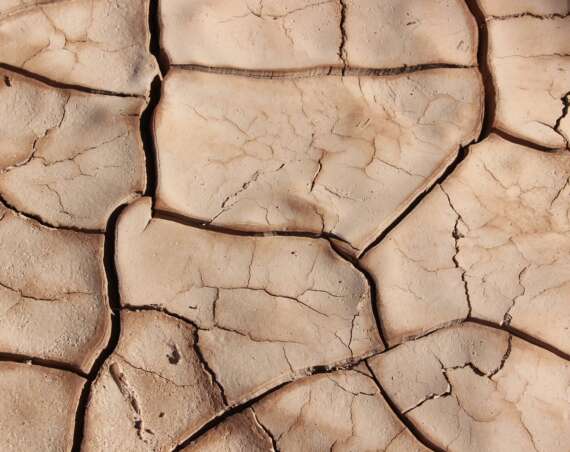
With the onset of El Niño, PAGASA said the likelihood of below-normal rainfall conditions across the country increases, raising the risk of dry spells and drought.
However, the agency noted that El Niño may also trigger above-normal rainfall, particularly in the western parts of the Philippines during the southwest monsoon, or “Habagat,” season, as it can enhance tropical cyclone activity.
PAGASA said it will continue to monitor the El Niño phenomenon and its potential impacts on the country’s climate.