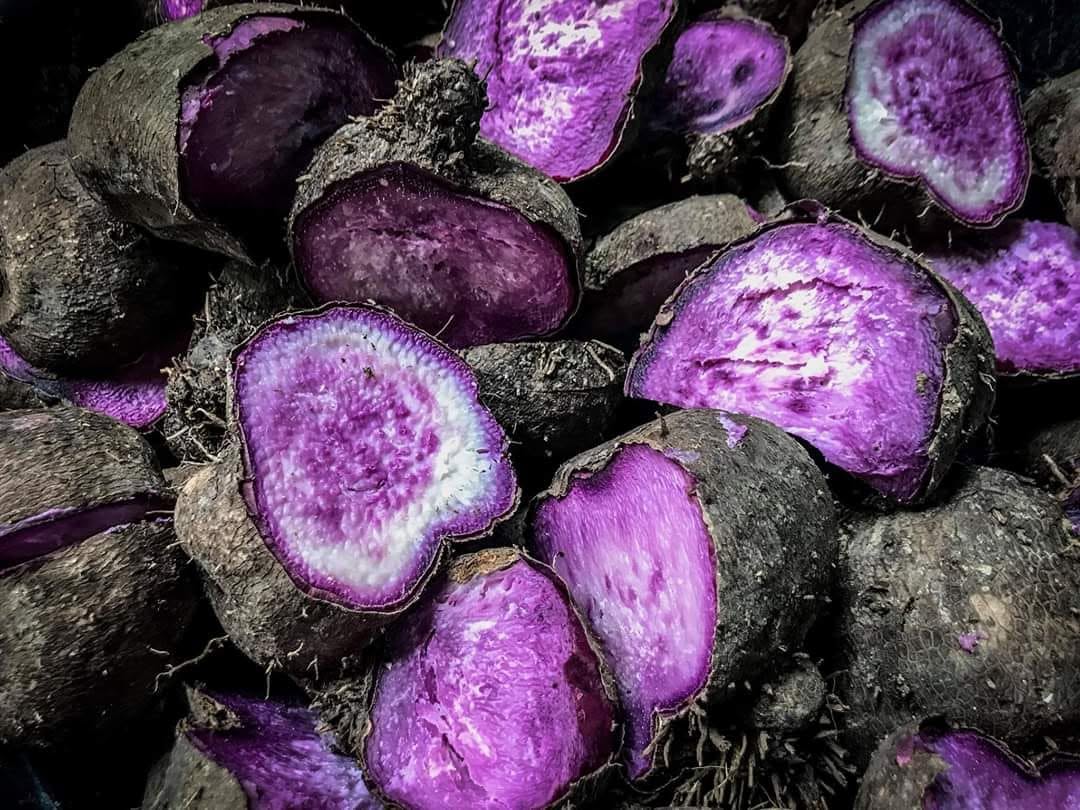
Ube, or purple yam, is more than just a popular Philippine crop known for its sweet, nutty flavor—it also offers a range of health benefits.
Agriculture Undersecretary Asis Perez said ube’s low glycemic index makes it a suitable food option for people with diabetes.
Speaking to DZRH News’ “Special” program on Saturday as part of its SONA Series 2026, Perez said ube’s nutritional value should be highlighted alongside its commercial appeal.
“Magaling sa diabetic, maganda sa nustrisyon. It has multiple benefits not just the flavor. Kaya kailangan i-highlight din natin ‘yung health benefit nito,” Perez said.
Ube was among the topics discussed during the program, where agriculture officials also said the Marcos administration approved an additional ₱300 million to support the growth of the ube industry.
Beyond industry expansion, the crop carries nutritional benefits. According to the Department of Science and Technology – Food and Nutrition Research Institute (DOST-FNRI), boiled ube provides about 77 calories and 2.6 grams of fiber per 100-gram serving.
Ube is also considered a low- to medium-glycemic index food, which may help prevent rapid spikes in blood sugar levels when consumed as part of a balanced diet.
The purple yam contains flavonoids—plant compounds that may support metabolism and improve insulin sensitivity—contributing to better blood sugar management.
It is also rich in anthocyanins, antioxidants that give ube its distinctive color and help reduce oxidative stress and inflammation.
However, the DOST-FNRI noted that ube remains a carbohydrate-rich food and should be consumed in moderation.
“Consuming large amounts may contribute to excess calorie and carbohydrate intake, especially for individuals monitoring their blood sugar levels or managing their weight,” it said.
The agency added: “Most popular ube-based desserts and treats, such as halaya, cakes, pastries, and ice cream, often contain significant amounts of added sugar and other ingredients that can increase their calorie and sugar content.”
The DOST-FNRI reminded the public to consume ube and ube-based products in moderation as part of a healthy and balanced diet. — Photo from the National Museum of the Philippines – Bohol