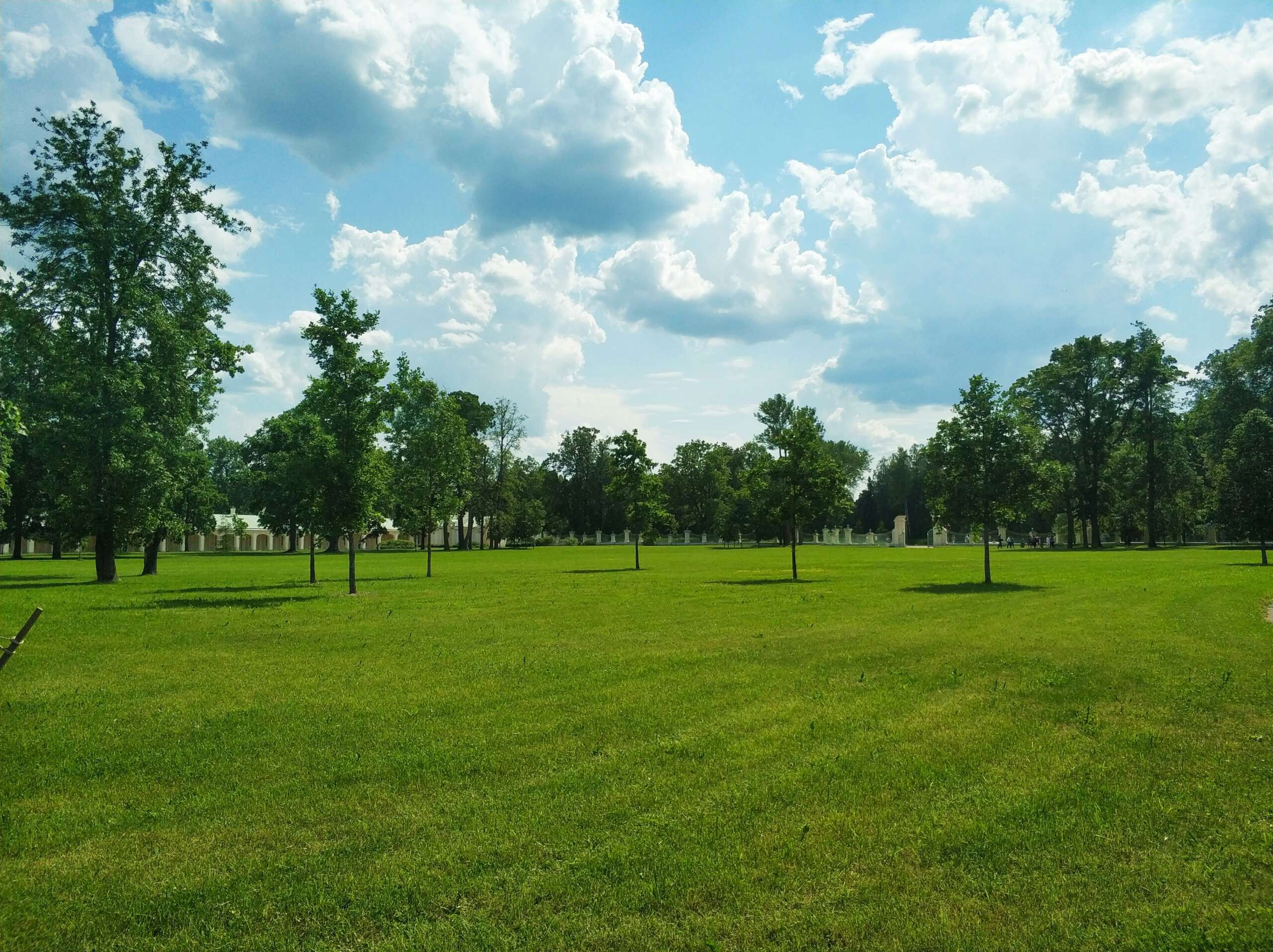
As heatwaves intensify across parts of the world, a 2026 study has found that simply adding more green spaces may not be enough to address rising urban temperatures.
The study, published in Energy & Buildings by researchers from Victoria University, found that the cooling effect of parks depends largely on the architecture and density of surrounding buildings.
The findings come as cities — including those in Australia — increasingly turn to tree planting and green space expansion as part of climate adaptation efforts.
Focusing on Central Gardens in Hawthorn, Melbourne, researchers used field-validated ENVI-met microclimate simulations to examine how the same park performs in three different urban settings: high-rise downtown areas, dense inner suburbs, and open outer suburbs.
The study found that during peak heat, high-rise buildings can cast shade over parks, reducing mean radiant temperature by up to 12 degrees Celsius and lowering physiological heat stress by up to 8 degrees Celsius compared to low-rise areas.
However, the cooling effect reverses at night.
Researchers explained that concrete and glass structures in high-rise environments trap heat absorbed during the day, block cooling breezes, and limit heat dissipation. This creates what they described as an “edge-warming” effect, which can extend up to 35 meters into park areas.
In contrast, open, low-rise suburban settings allow heat to escape more quickly after sunset, providing greater nighttime cooling.
The researchers said the findings highlight the need for more targeted urban planning, warning against a one-size-fits-all approach to greening cities.
“Park design and placement should be tailored to surrounding urban morphology,” researchers said. “Context-based design strategies can support better cooling impact of urban parks and can help urban planners and policymakers in implementing sustainable park design strategies that maximize cooling benefits, improve outdoor thermal comfort, promote healthier urban environments, and contribute to more heat-resilient and climate-adapted cities.”
The study recommends that in high-density areas, urban planning should focus on allowing trapped heat to dissipate at night and reducing heat-absorbing surfaces around park boundaries.
For suburban areas, researchers suggested preserving wind corridors and linking parks to connected green networks — such as tree-lined streets — to allow cool air to circulate more effectively into residential communities.