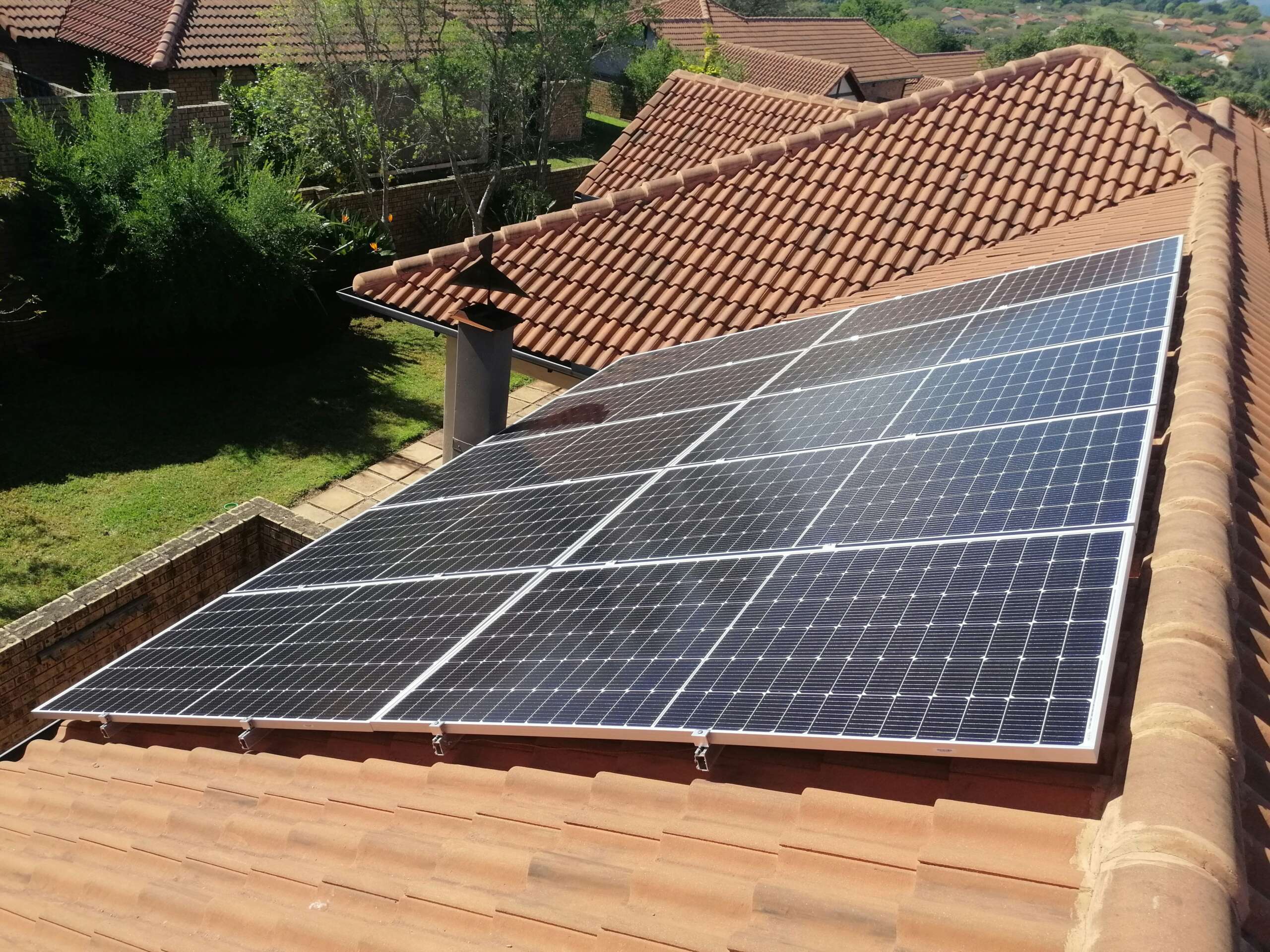
A recent survey by Pulse Asia found that 93% of Filipinos want solar power to be more affordable.
The survey, commissioned by the Institute for Climate and Sustainable Cities (ICSC), showed broad public support for government efforts to lower the cost of rooftop solar panels, expand access to renewable energy, and reduce electricity prices.
According to the survey, 97% of respondents expressed concern over the country’s current energy challenges, while 77% acknowledged the Philippines’ reliance on imported oil, coal, and natural gas.
Meanwhile, 66% said expanding renewable energy is the most effective approach to addressing these issues, with making rooftop solar more affordable identified as the top priority.
The findings also highlighted affordability as the biggest barrier to wider solar adoption.
“While public support for rooftop solar is high, Filipinos believe that lower costs, better access to information, and affordable financing are needed to make the technology accessible to more consumers,” Pulse Asia said.
Further data showed that 93% of respondents believe rising electricity demand makes affordable rooftop solar increasingly necessary. Another 93% said a mainstream transition is achievable if citizens are given the right information, while 91% said widespread adoption is viable if affordable financing options are available.
Chuck Baclagon, senior adviser for communications and campaigns at 350 Pilipinas, said the results indicate strong public readiness to adopt solar energy amid rising electricity costs.
“This survey sends a clear message: 93% of Filipinos are ready to embrace rooftop solar, but high upfront costs remain the biggest barrier,” he said.
“The government must act now by removing the VAT on solar technology and expanding access to affordable financing. With strong public support already in place, we must organize and work together to turn this demand into real action—bringing down electricity costs, strengthening our energy security, and accelerating the country’s clean energy transition,” Baclagon added.