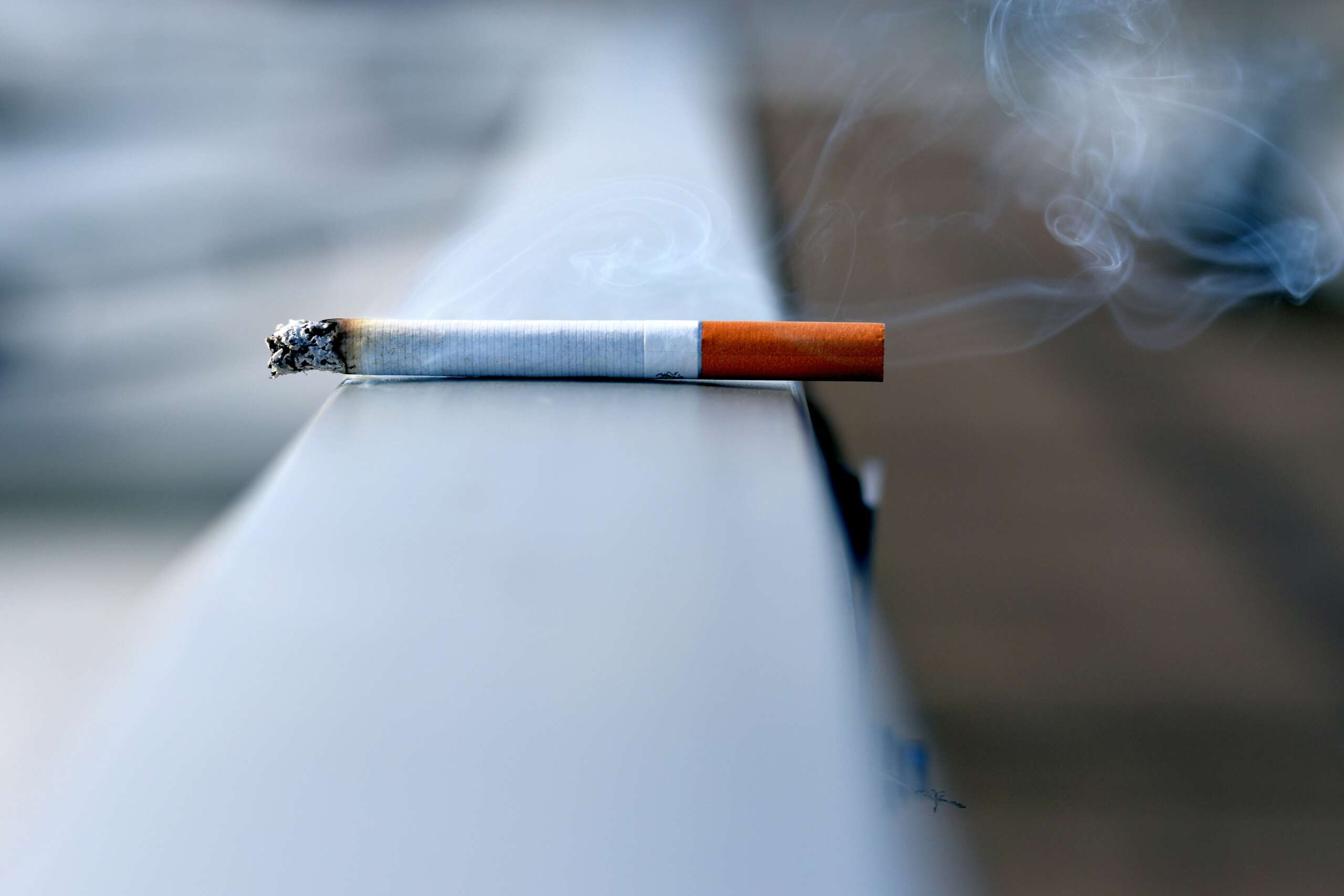
Despite decades of declining smoking rates worldwide, more than 2.7 billion people remain exposed to second-hand smoke, contributing to a public health burden that claims 1.66 million lives each year.
A new study published in The Lancet as part of the Global Burden of Disease Study 2023 found that involuntary tobacco exposure continues to pose a major global threat, particularly in low- and middle-income countries.
The research analyzed data from 204 countries and territories from 1990 to 2023 to assess how passive smoking affects morbidity and mortality worldwide.
It found that while age-standardized exposure rates have declined in many parts of the world due to public anti-smoking campaigns, population growth has increased the absolute number of non-smokers exposed to toxic air.
Key findings showed that China, India, and Indonesia account for nearly half of the global population exposed to second-hand smoke, alongside millions of related deaths and health impacts.
In regions such as South Asia, exposure to second-hand smoke has increased despite improvements in individual smoking habits, largely driven by population growth.
Researchers are calling for stricter tobacco control policies, saying that despite progress in smoking behavior, second-hand smoke remains a serious public health threat.
“Beyond smoke-free legislation, broader tobacco control measures are needed to reduce SHS [second-hand smoke] exposure, offset population growth, and lessen the resulting public health burden,” the study said.
It added, “Although smoke-free policies directly reduce SHS exposure and indirectly support smoking cessation by shifting social norms, additional measures such as tobacco taxation, marketing bans, plain packaging, and cessation programmes are needed to deter smoking initiation and lower smoking prevalence.”
The study also found that women are disproportionately exposed to second-hand smoke, accounting for more than half of those affected globally.
“Particularly in locations where active smoking prevalence among women remains low, SHS represents a substantial component of the tobacco-related health risk profile for women. This sex gap in exposure reflects both high male household smoking and the limited agency many women have to enforce smoke-free rules in private settings,” it said.
Researchers noted that second-hand smoke exposure remains a “global disease burden,” with women and children especially affected, particularly through respiratory infections.