At the height of the COVID-19 pandemic, when economies worldwide had ground to a halt and most governments were cutting spending, Manila City Mayor Francisco “Isko” Moreno Domagoso made a counterintuitive decision.
The maverick mayor borrowed money and built—simultaneously funding vertical housing projects, fully air-conditioned 10-story public schools, and a 10-story hospital—using what he calls financial engineering rooted in a Supreme Court (SC) ruling he spotted in a newspaper one morning.
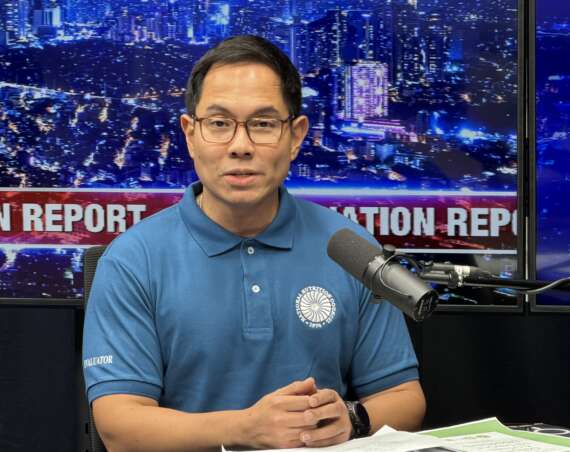
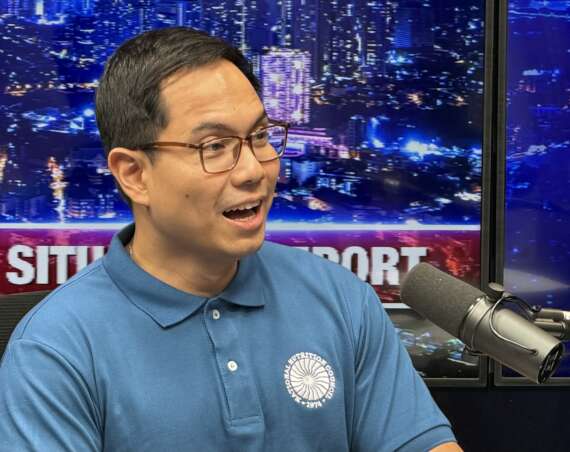
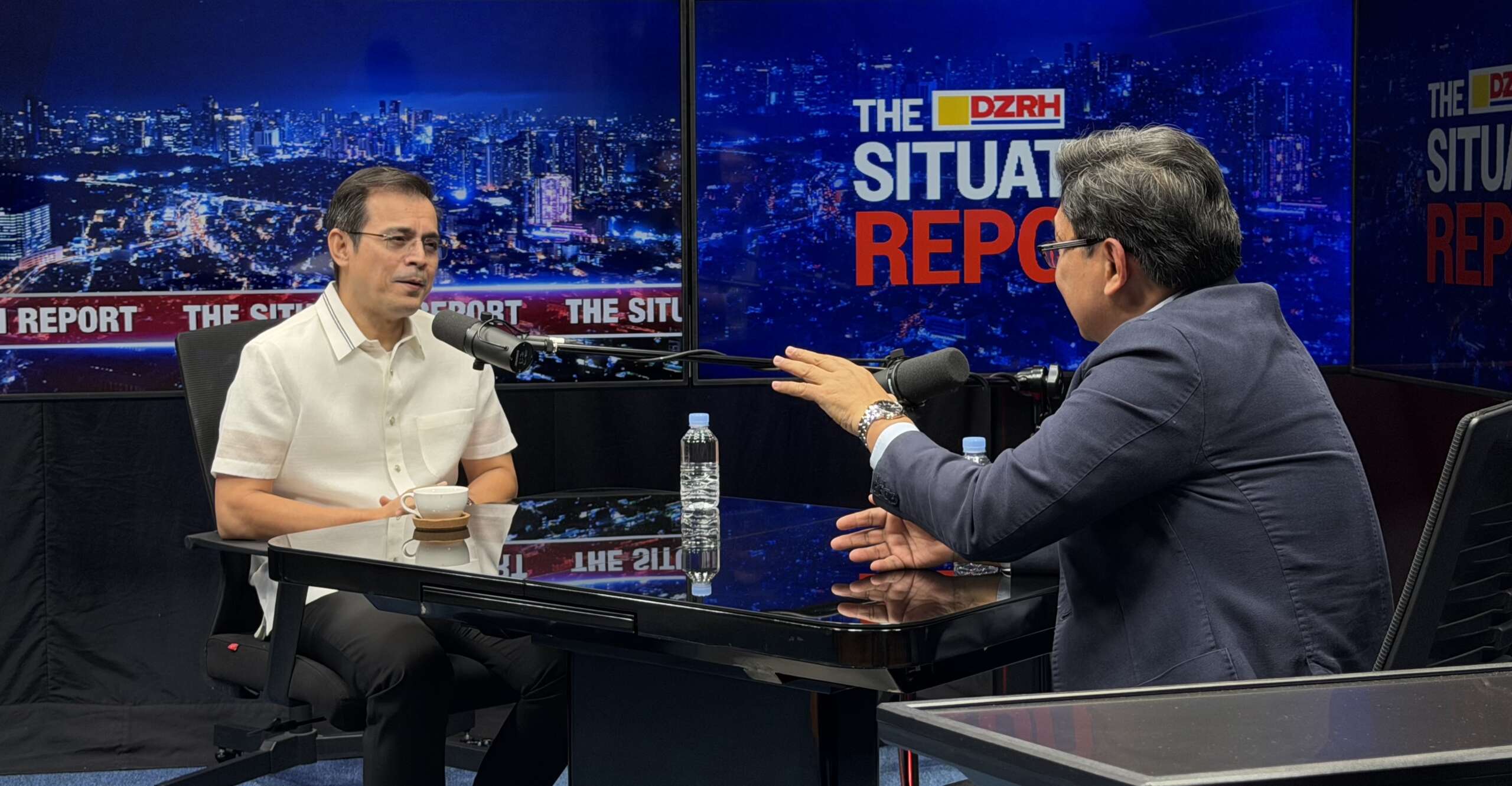
Domagoso explained the strategy in an interview on DZRH News program The Situation Report on Tuesday, September 15, offering a detailed account of how Manila managed to undertake its most ambitious infrastructure expansion during a period when the city had almost no revenue coming in.
The ruling he spotted was the Mandanas-Garcia decision, which ruled that the National Tax Allotment must be computed from all national taxes and not just a subset, guaranteeing every local government unit a significantly larger share of national revenue beginning in 2022.
“Binasa ko, nagpakuha ako ng kopya. Nagkaroon ng windfall itong mga local government unit na may additional na income sa National Tax Allotment. Sabi ko, ‘Uy, pakwenta mo ‘yung ating future income or what you called windfall.’ Nakita ko 2022 pai-implement,” Domagoso said.
Domagoso went to the Department of Budget and Management (DBM) and asked for a formal certification of how much Manila’s future windfall would be, then brought that certification to government financial institutions LandBank and Development Bank of the Philippines (DBP), who lent against the guaranteed future income.
“Ginawa natin, nagdatingan na ‘yung bangko ng gobyerno: LandBank, DBP. Sabi ko, ‘Okay.’ Gusto ko kasi magkaroon, tuloy pa rin ‘yung gobyerno kahit may pandemya para mag-generate ng what you call the velocity of money,” the mayor said.
Domagoso said his reasoning was rooted in a fundamental belief: government must not stop spending during a crisis, because the government is the primary stimulant of the economy when the private sector has gone silent.
“I may be wrong, but for the meantime, this is what I believe: the government should not stop spending. We should find a way to stimulate, especially kapag may crisis, kailangan ang numero unong stimulant ay pamahalaan, whether national or local,” the mayor said.
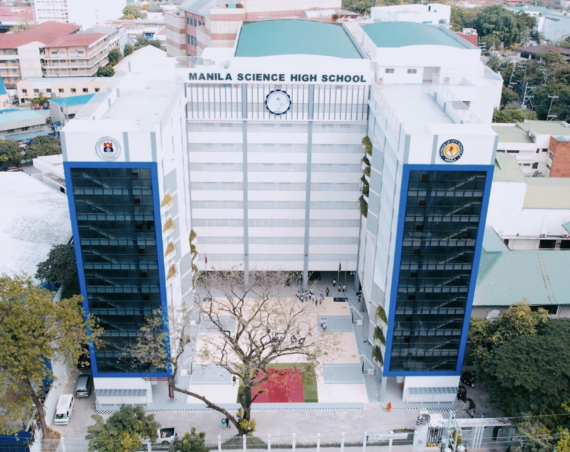
The result: Tondominium 1, Tondominium 2, Binondominium 1, a 10-story fully air-conditioned structure at Ospital ng Maynila, 10-storey modernized public school buildings at Dr. Albert Elementary School, Rosauro Almario Elementary School, Manila Science High School, and Ramon Magsaysay Magsaysay School—all built simultaneously during the pandemic, funded by borrowing against future guaranteed income.
Domagoso describes the transaction as government-to-government: DBM certifying the income, LandBank and DBP lending against it, as simple as moving money from one pocket to another.
“Madaling salita, Chief, isang katawan, magkabilang bulsa, nagsalinan lang. Government to government, G to G,” the mayor said.
He said the logic also protected against inflation: a peso spent now is worth more than a peso spent 10 years later when inflation erodes its purchasing power, and building now is always cheaper than building after demand has already exceeded capacity.
“‘Yung piso ngayon, iba na ang halaga 10 years from now. Let’s just say, para sa kapakanan ng ating mga nanonood at nakikinig, let’s just say kumita ako ng piso ngayon. Kung gagastusin ko siya 10 years from now, at 4% inflation, the buying power of that one peso is only 60 centavos,” Domagoso said.
The mayor said the strategy was not reckless but rational: the income was guaranteed by a Supreme Court decision, the lenders were government-owned banks, and the projects addressed Manila’s most persistent social deficits—housing, education, and healthcare, all simultaneously.