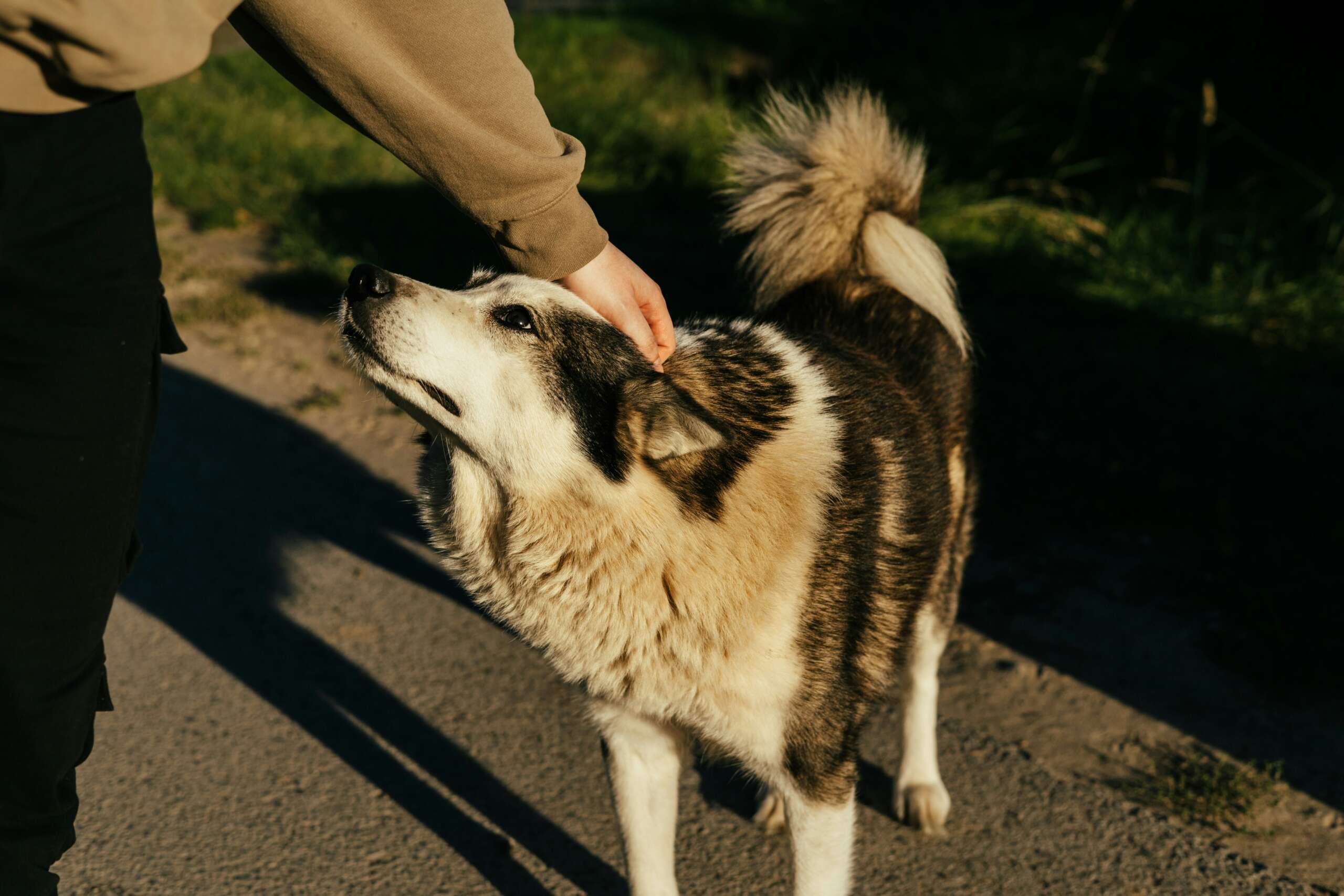
Dogs are more than just man’s best friend. A simple scratch behind their ears or a gentle cuddle may also help ease stress and anxiety, according to a new study.
Published in the peer-reviewed journal Biological Psychology, the study found that friendly physical contact with a pet does more than temporarily lift a person’s mood. It may also help regulate the body’s physiological response to stress.
While scientists have long documented the mental health benefits of owning a dog, the exact mechanisms behind why human-animal interactions make people feel better remain a subject of research.
In this study, researchers from the University of Innsbruck in Austria examined whether gentle, spontaneous physical contact with pets could help regulate the body’s stress response.
THE LAB TEST: PUTTING STRESS UNDER A MICROSCOPE
To determine how physical contact between humans and pets affects the body, researchers brought 64 healthy pet owners and their dogs into a controlled laboratory setting.
The participants underwent a two-block experimental procedure designed to simulate social-evaluative stress.
During each block, participants went through several phases: an initial resting period, a high-pressure cognitive task designed to induce stress, a post-stress resting period, a five-minute recovery period with their dogs, and a final resting period.
In one block, participants were allowed unrestricted physical contact with their dogs.
In the other, their dogs were kept on short leashes within sight. This allowed visual and vocal interactions but prevented physical contact.
Researchers monitored the participants’ brain activity through electroencephalograms (EEG), heart activity through electrocardiograms (ECG), and their subjective emotional responses.
THE FINDINGS
Interestingly, researchers found no evidence that physical contact with pets accelerated participants’ immediate recovery following a stressful task.
However, biological measurements revealed another potential benefit: physical contact with pets appeared to help prepare the body to cope with subsequent stress.
Participants who had physical contact with their dogs during the recovery period showed less disruption in their brain activity patterns and more stable heart rates during the subsequent stress-related assessment than those who did not have physical contact.
Behavioral analysis of video recordings also showed that participants spent approximately 64% of their recovery time actively touching their pets when given the choice, with gentle stroking emerging as the most frequent form of interaction.
A MESSAGE TO PET OWNERS
For pet owners dealing with the stresses of everyday life, the findings suggest that spending time with their furry companions and engaging in gentle physical contact may offer a simple way to support stress regulation.
The researchers’ findings highlight the potential benefits of actively stroking or petting dogs, which may engage sensory pathways involved in preparing the nervous system to cope with stress.
Ultimately, the study suggests that spending a few moments with furry companions may do more than provide comfort and companionship. Physical contact with pets may also help the body prepare for life’s stressful situations.