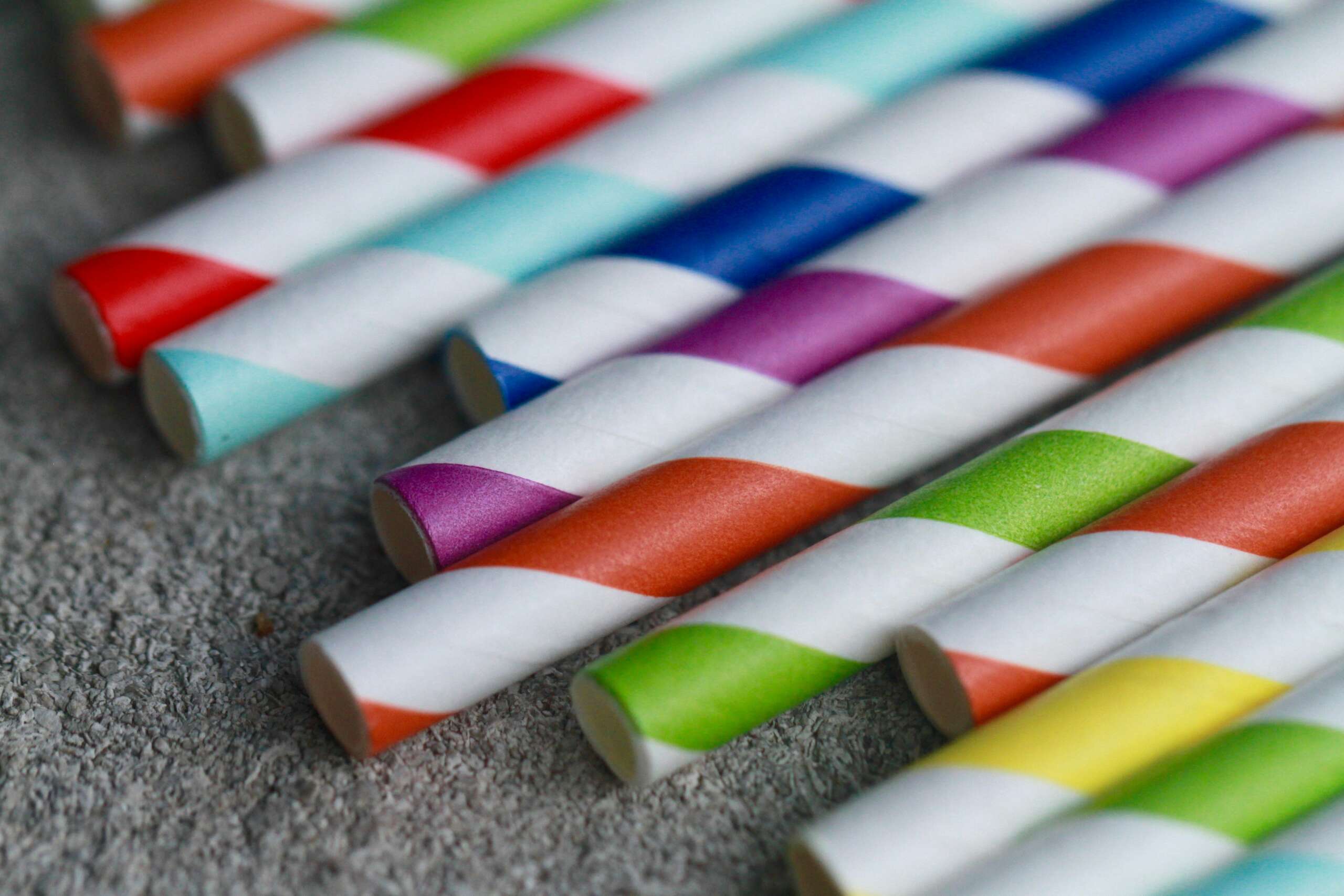
A study in South Korea has found that so-called eco-friendly paper straws may not be as environmentally safe as commonly perceived, with researchers identifying potentially greater environmental impacts compared with conventional plastic straws.
Commissioned by South Korea’s Ministry of Climate, Energy and Environment, the study assessed the environmental impacts of different types of straws, including conventional plastic, paper, biodegradable plastic, and bio-based polyethylene (bio-PE).
Rep. Kim Wi-Sang of the People Power Party disclosed the findings, which showed that paper straws scored 6.33 times higher than conventional plastic straws on a cancer-related life cycle impact measure.
Researchers clarified that this score reflects the potential impact across a product’s life cycle, from production to disposal. It does not indicate direct chemical exposure or an increased cancer risk from drinking through paper straws.
According to The Korea Herald, researchers assessed the environmental impacts of the different straws across 16 categories, covering processes from raw material production to disposal.
The assessment assumed that 73.6% of discarded straws were incinerated, while the remaining 26.4% were sent to landfills, based on national waste statistics.
Researchers also found that paper straws had 2.04 times the acidification impact of conventional plastic straws.
“The government must acknowledge the failure of its greenwashing policy, which fixated on ineffective substitute materials, and avoid repeating it,” Kim said, according to The Korea Herald. “Policy should focus on reducing the overall disposable products.”
EXPERTS’ RECOMMENDATIONS
Although paper straws are often marketed as recyclable, the study noted that straws made from nearly all materials are difficult to process in practice.
Their small size makes it challenging for sorting facilities to separate them effectively.
Moreover, chemical coatings, water-resistant glues, and adhesives used to prevent paper straws from dissolving in beverages can further complicate the recycling process.
A survey of 1,001 people conducted as part of the report found that 87.5% preferred plastic straws. Meanwhile, 54.4% supported a policy of providing straws only upon customers’ request, while 18.4% opposed it.
In light of the findings, researchers recommended that establishments refrain from providing disposable straws of any material unless customers specifically request them.