With the strong El Niño phenomenon expected to bring higher temperatures in the coming months, countries are preparing measures to protect their populations from extreme heat.
In workplaces where high temperatures threaten workers’ health and productivity, a readily available beverage may help replenish lost electrolytes.
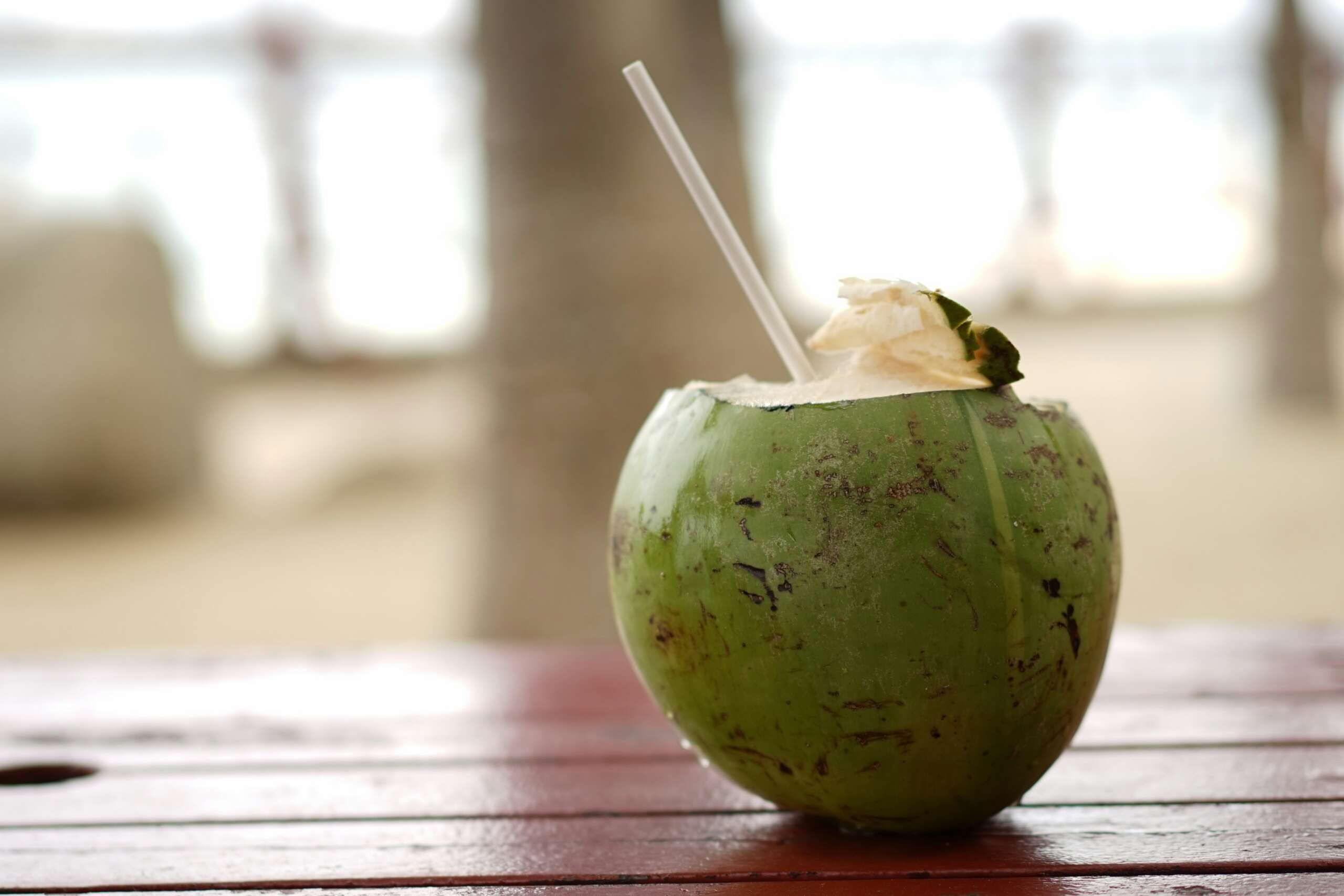
A study by environmental health researchers in Indonesia found that coconut water may help restore blood sodium levels among workers exposed to high heat stress, potentially supporting their physical endurance and productivity compared with mineral water.
The study, titled Coconut Water as Enhancer Productivity of Labor Exposured to Heat, was published in the Journal of Natural Sciences Research in 2016. It examined workers in a small-scale home industry manufacturing glass accessories, where high indoor temperatures posed occupational health risks. <Cite refs={[“turn873245search0″,”turn873245search12”]}/>
DANGERS OF DEHYDRATION IN THE WORKPLACE
In industrial environments without adequate ventilation and climate control, high ambient temperatures can place significant stress on the human body.
Workers exposed to extreme heat can lose substantial amounts of fluid through sweating, depleting essential electrolytes such as sodium and chloride, the study explained.
The researchers noted that excessive fluid and electrolyte loss can contribute to fatigue and reduced physical performance, potentially increasing the risk of workplace accidents.
The study’s participants worked in a home-based industry producing glass accessories, where furnaces were used to melt recycled glass under an asbestos roof.
Measurements of the workplace’s Wet Bulb Globe Temperature (WBGT), an indicator used to assess heat stress, reached 31.8°C—exceeding Indonesia’s cited occupational safety threshold of 31°C for continuous work involving a light workload. <Cite refs={[“turn873245search12″,”turn873245search13”]}/>
The researchers observed that workers drank coffee and mineral water to relieve thirst while working in the heat. They noted that frequent urination could contribute to electrolyte loss, particularly when fluid intake did not adequately replace what was lost through sweating.
STUDY COMPARES COCONUT WATER WITH MINERAL WATER
To assess the effects of different beverages on workers exposed to heat, the researchers examined changes in blood sodium levels and pulse rates after participants consumed 1,300 milliliters of mineral water and coconut water.
The study explained that coconut water contains electrolytes and naturally occurring sugars, which may help replenish some of the substances lost through sweating.
The findings showed no statistically significant change in workers’ blood sodium levels after consuming mineral water. In contrast, blood sodium levels increased significantly after coconut water consumption, with the difference reaching statistical significance (p=0.030). The study involved only nine workers. <Cite refs={[“turn873245search0″,”turn873245search12”]}/>
The researchers also observed a decrease in pulse rates after consumption of both beverages. However, neither mineral water nor coconut water produced a statistically significant change in pulse rates.
The study concluded that coconut water could serve as an alternative source of electrolytes for workers exposed to high temperatures. However, its findings on productivity should be interpreted cautiously given the small sample size and the study’s limited design.
The researchers also addressed workers’ preference for sweet beverages, suggesting that coconut water could be an alternative to coffee or tea.
“Laboratory studies have shown the sodium content in the mineral water is aqua higher than the coconut water,” the study’s authors said, highlighting that laborers who drink sugary coffee or tea just increases their frequency in urination. “To meet the psychological needs of the workforce, which would be more comfortable if you eat sweet water, so the coconut water is suitable as a substitute for coffee and tea, in addition to the sweet taste can also add electrolyte ions in the blood and can increase the productivity of workers exposed to heat.”
RESEARCHERS RECOMMEND MEASURES FOR HOT WORKPLACES
Based on their findings, the researchers recommended that employers consider providing coconut water as an alternative beverage for workers exposed to high temperatures to help replenish lost electrolytes.
They also emphasized the importance of drinking fluids regularly throughout an eight-hour shift instead of waiting until thirst develops.
In addition to proper hydration, the researchers recommended that factory owners provide lightweight protective clothing to reduce exposure to thermal radiation and improve workplace ventilation to promote natural airflow.