The median age of Filipinos continues to rise, indicating that the country’s population is gradually aging.
Based on the 2024 Census of Population released by the Philippine Statistics Authority, the median age increased from 24.3 years in 2015 to 25.3 years in 2020, and further to 27.7 years in 2024.
The PSA explained that the median age represents the midpoint of the population’s age distribution, where half of the population is younger and the other half is older than the median age.
“The increase in the median age across successive censuses reflect a shift toward an older population structure,” the PSA said.
MORE SENIOR CITIZENS
Data from the PSA show that one in every 10 Filipinos is now a senior citizen.
Senior citizens, or those aged 60 years and over, reached 11.42 million, or 10.2% of the household population in 2024.
“This represents an increase from 9.22 million, or 8.5 percent of the household population, recorded in 2020. The rising proportion of senior citizens indicates a continuing growth of the country’s older population,” it said.
Females made up the majority of senior citizens in 2024 at 55.6%, while males accounted for 44.3%, the PSA added.
TOTAL POPULATION
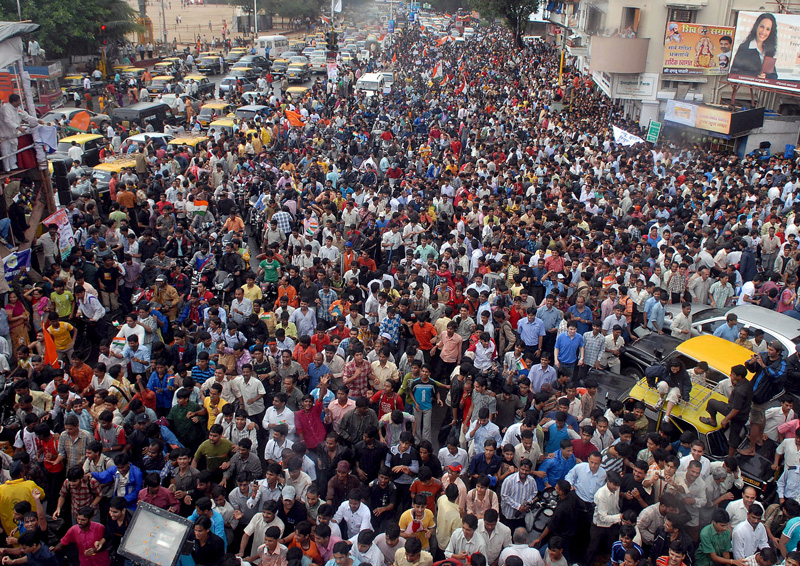
The PSA reported that the Philippine population reached 112.33 million in 2024.
Of the total, 56.68 million (50.5%) were male and 55.65 million (49.5%) were female.
By age group, 29.98 million (26.7%) were under 15 years old, classified as “young dependents.”
Those aged 15 to 64, or the working-age population, comprised 74.95 million (66.7%), while 7.40 million were aged 65 and above.
The ageing index, which the PSA said “measures the number of persons aged 65 years and over for every 100 children aged below 15 years,” also continued to increase.
“The ageing index was estimated at 24.7, indicating that there were about 25 persons aged 65 years and over for every 100 children aged below 15 years old. This was 7.2 index points higher than the ageing index of 17.5 recorded in 2020,” the PSA said. — Photo from World Life Expectancy