As global temperatures continue to rise—driven by intensifying heatwaves and the looming threat of a strong El Niño—agriculture is among the sectors bearing the brunt of extreme heat.
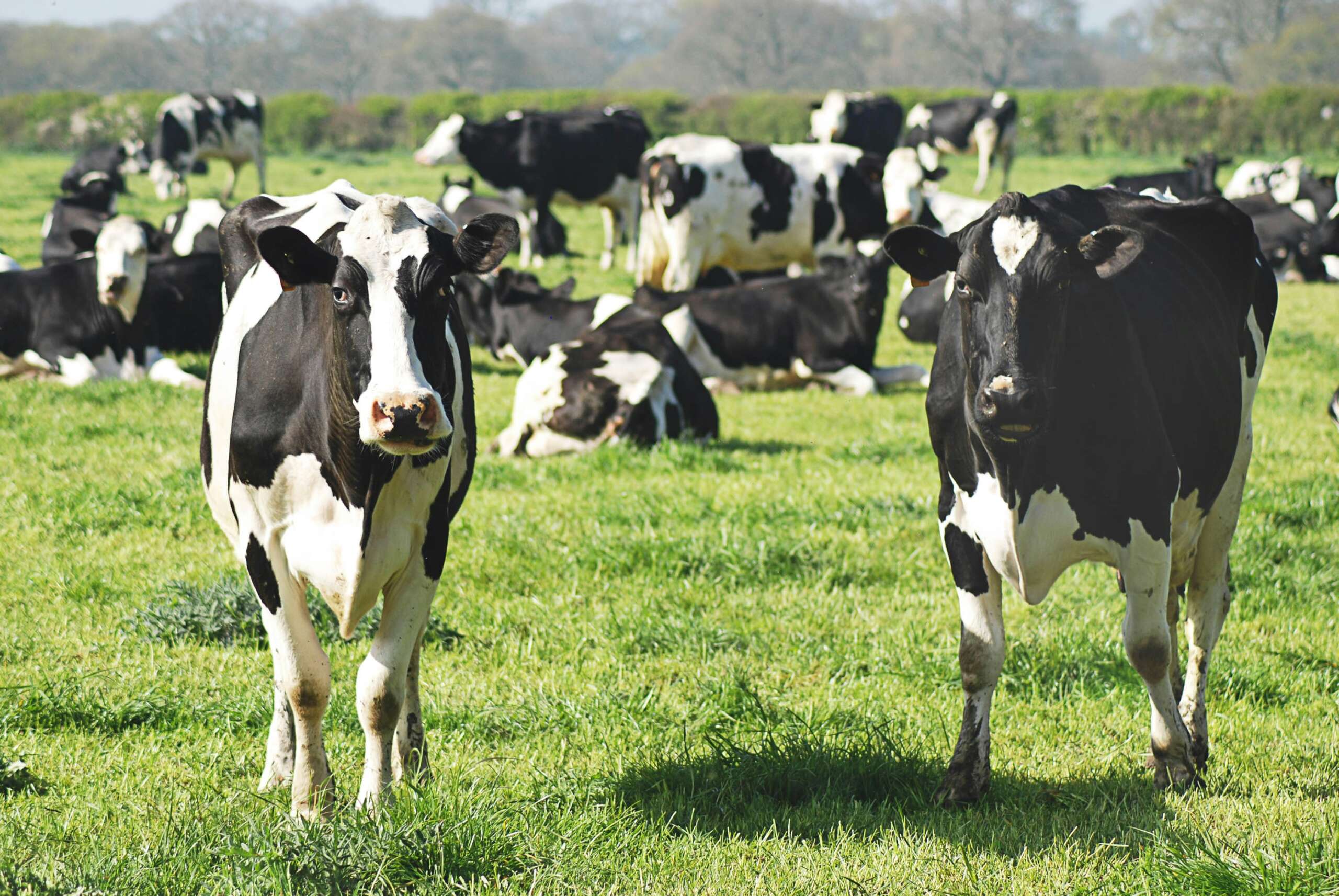
Within the industry, a new study has found that soaring temperatures can significantly affect dairy farms, increasing production costs while reducing both the quantity and quality of milk.
The study, titled “Effects of extreme heat on milk quantity and quality,” was published in the journal Agricultural Systems. It was conducted by agricultural economists from the Flanders Research Institute for Agriculture, Fisheries and Food and the ETH Zurich.
Researchers analyzed nearly 180,000 monthly data points collected over six years from dairy farms across Flanders, Belgium. They matched production data with high-resolution weather records using the Temperature Humidity Index (THI), which measures the combined effects of heat and humidity. This allowed them to pinpoint when cows begin to experience heat stress and estimate the economic impact on farmers.
HOW EXTREME HEAT AFFECTS MILK PRODUCTION
The study found that milk production drops significantly once weather conditions reach a critical threshold.
“There is quantifiable economic damage that can reach €1,500 and more per month per farm,” said ILVO agricultural economist Erwin Wauters. “The effect of hot, oppressive summer days on the cow and her milk production is not linear. A clear nod to heavier economic damage lies at 76 points on the so-called THI scale.”
During the hottest months, an average dairy farm lost nearly 5% of its total milk production, according to the data.
Looking ahead, researchers simulated the impact of additional extreme heat days. They found that just one extra day with a THI score of 85—equivalent to around 33°C with 65% relative humidity—could cost a farm up to €500 in lost daily revenue.
MILK QUALITY
Beyond reduced output, the study also examined how heat affects milk composition.
It found that as heat stress intensifies, protein content declines alongside overall yield. However, results on milk fat differed from earlier laboratory findings.
While previous controlled experiments suggested fat content drops during heatwaves, real-world data showed it remained relatively stable. In some cases, fat content even held steady or slightly increased under extreme heat, indicating greater resilience to temperature stress.
MITIGATING THE RISK
The findings highlight the need for stronger adaptation strategies as climate change accelerates.
While measures such as ventilation fans, shade structures, and misting systems can help cool cows and limit immediate losses, researchers said these may not be sufficient to offset the broader economic impact of prolonged heatwaves.
They urged farmers to identify when and where losses occur in order to better manage risks.
“While adaptation is relevant, our results also show its limits, i.e. negative impacts at extreme heat events cannot be avoided,” the researchers said. “Consequences of heat waves on dairy farms may also translate into a later production period. Feed shortages, problems with animal health and adverse effects on fetal development can have long lasting impacts on dairy production. This means that our results on short term impacts may only show a part of the overall problem and future research should focus on long term impacts of heat waves.”