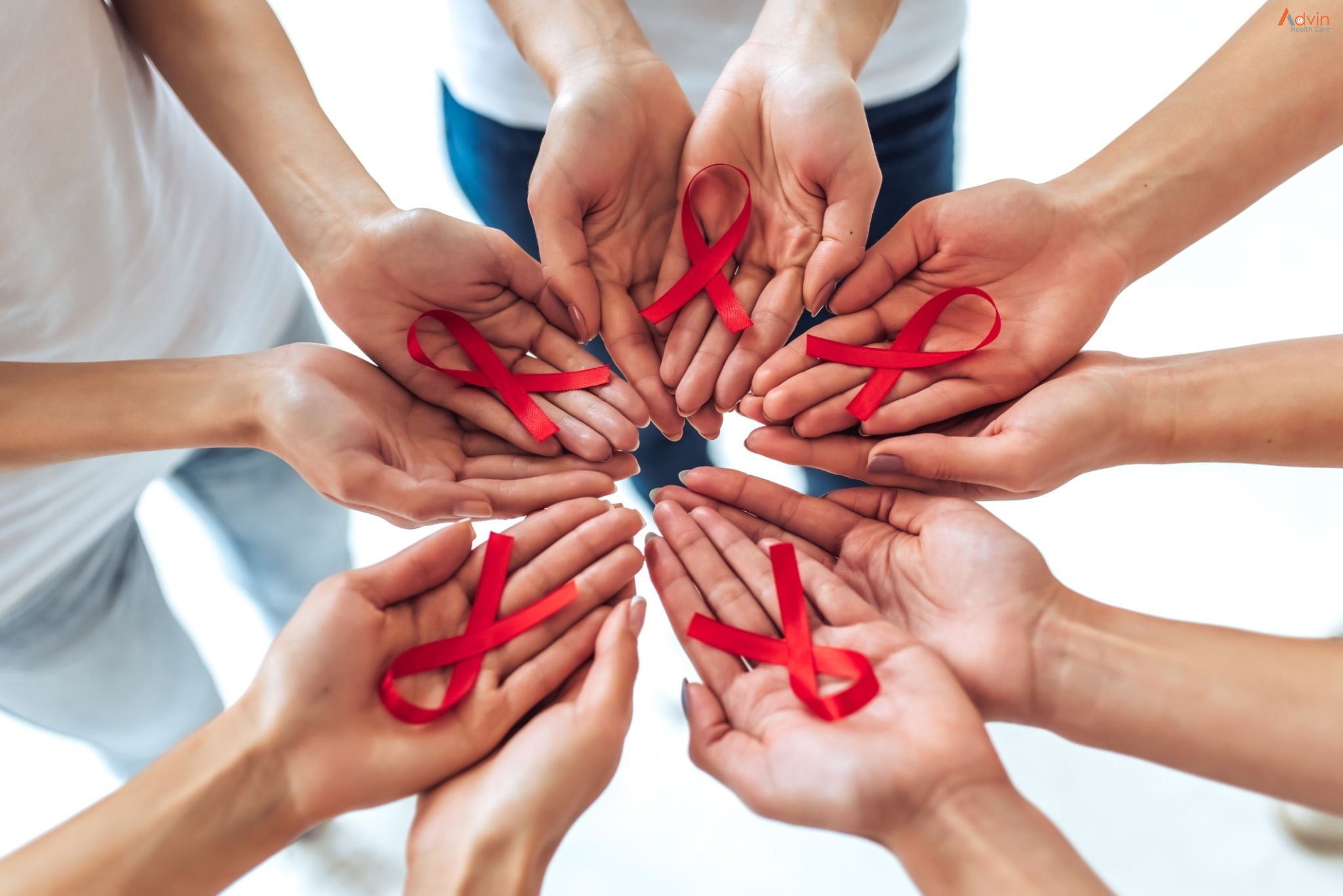
The Philippine National AIDS Council is urging every Filipino to arm themselves with accurate information about HIV, as new data shows the country’s epidemic is accelerating at an alarming pace.
HIV, or Human Immunodeficiency Virus, was first discovered in 1981 and the Philippines recorded its first case in 1984—but the virus remains widely misunderstood, according to PNAC Executive Director Dr. Joselito Feliciano.
The virus is transmitted in four main ways: unprotected sexual contact with a person living with HIV, sharing needles or syringes during drug use, mother-to-child transmission during pregnancy, and blood transfusion from an infected donor.
Prevention, Feliciano said, follows a clear hierarchy—abstinence first, faithfulness to a single partner second, and the use of protection such as condoms or Pre-Exposure Prophylaxis (PrEP) medication as a third option.
“Hangga’t maaari, huwag makipagtalik. Pangalawa, kung hindi mapigilan, maging faithful tayo. At kung hindi pa rin mapigilan, pwedeng gumamit ng mga proteksyon katulad ng condom,” Feliciano said.
Once a person contracts HIV, they are referred to as a Person Living with HIV or PLHIV—a condition that requires lifelong daily medication but does not preclude a full and healthy life.
“Kahit na matagal na silang may HIV, parang normal na tao, malakas ang kanilang mga pangangatawan,” Feliciano said, citing basketball legend Magic Johnson as an example of someone who has lived decades with the virus.
Left untreated, HIV weakens the immune system until the body can no longer fight off even minor illnesses—a condition known as AIDS, which Feliciano described as far more difficult to manage than HIV alone.
The only way to know one’s HIV status is through testing, which Feliciano said is the critical first step toward accessing treatment.
“Isa lang po ang pamamaraan para malaman na ang isang tao ay may HIV — sa pamamagitan po ng pagpapa-test,” he said, adding that medication and consultations are available free of charge and on a strictly confidential basis at nearly 200 government health facilities nationwide.