Starting in 2027, Singapore will undergo a review by the International Atomic Energy Agency (IAEA) to assess the country’s capability to make an informed decision on nuclear energy as it explores cleaner energy sources.
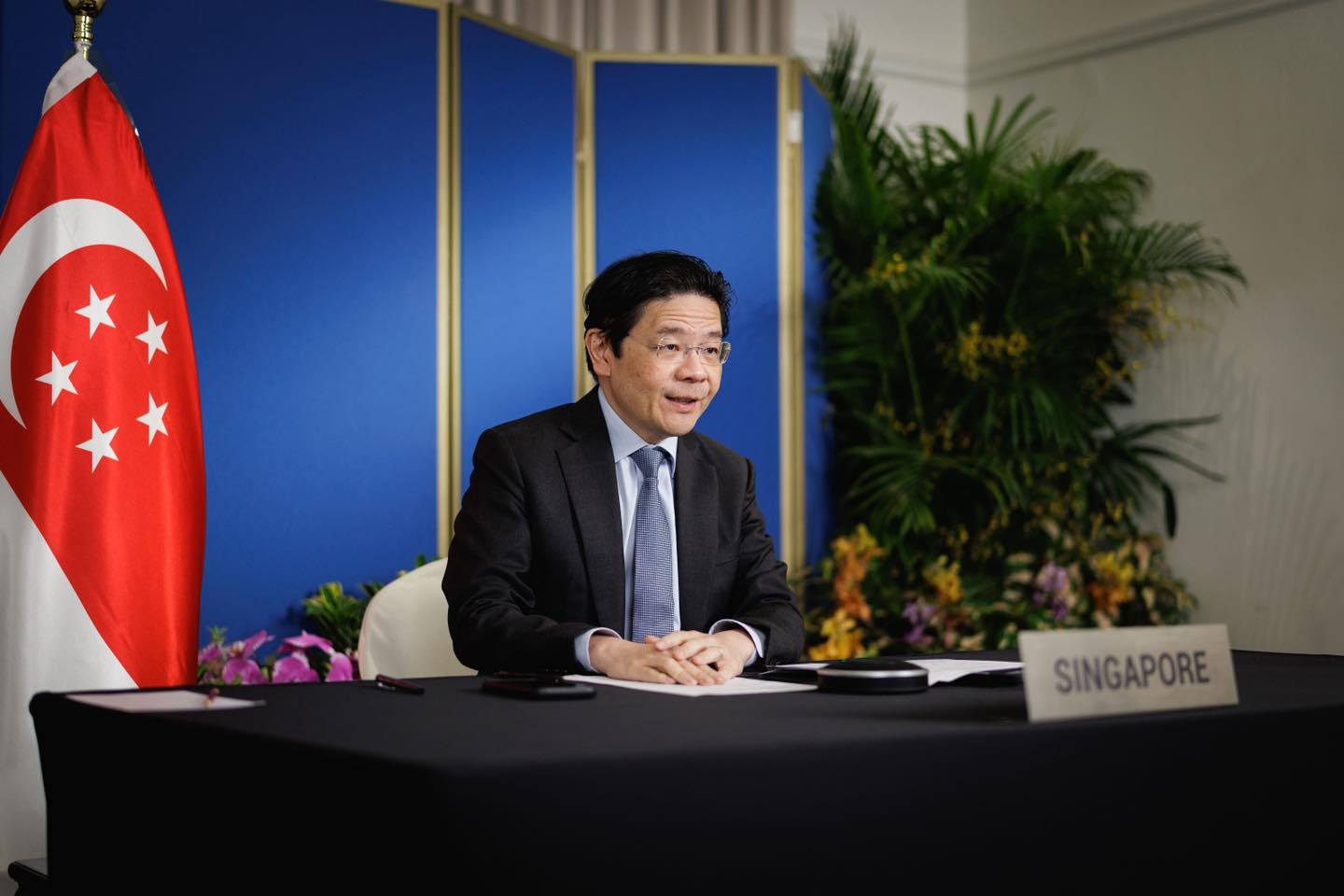
Speaking at the Energy Market Authority’s 25th anniversary gala dinner at Shangri-La Singapore on Tuesday, Prime Minister Lawrence Wong said safety would remain the country’s top priority.
“For Singapore, the considerations are even more demanding because of our unique circumstances. Safety will always be our overriding priority. As a small and densely populated city-state, we have no margin of error,” Wong said.
“We must be confident not just in the technology itself, but in the entire supporting ecosystem around it: regulation, security, emergency response and waste management,” he added.
In a joint statement, the Ministry of Trade and Industry, Ministry of Sustainability and the Environment, Energy Market Authority, and the National Environment Agency said Singapore would undergo the initial three phases of the nuclear readiness review process.
Singapore will first undertake the “Phase 1 Mission” of the Integrated Nuclear Infrastructure Review (INIR), a voluntary assessment conducted by international experts to help countries considering nuclear energy ensure responsible nuclear power development.
Wong clarified that the review does not mean Singapore has decided to deploy nuclear power.
“This is not a decision to deploy nuclear power in Singapore,” he said.
If a country decides to pursue nuclear energy, the second phase of the INIR assesses readiness to invite bids, while the third phase evaluates preparedness for the safe commissioning and operation of a first nuclear power plant.
Drawing from the experience of other countries, Wong said the preparatory process and infrastructure development alone could take more than 15 years.
He added that the public would be kept informed throughout the process, including the release of the IAEA’s independent findings once the Phase 1 review is completed.
Should the IAEA determine that nuclear energy is not suitable for Singapore, Wong said the government would accept the outcome.
“But even then, the effort will not be wasted. Because the capabilities we build and the knowledge we accumulate will still be valuable, especially as nuclear power becomes part of the energy mix in Southeast Asia,” he added.