If you have been thinking about putting solar panels on your roof, the numbers may finally convince you to act.
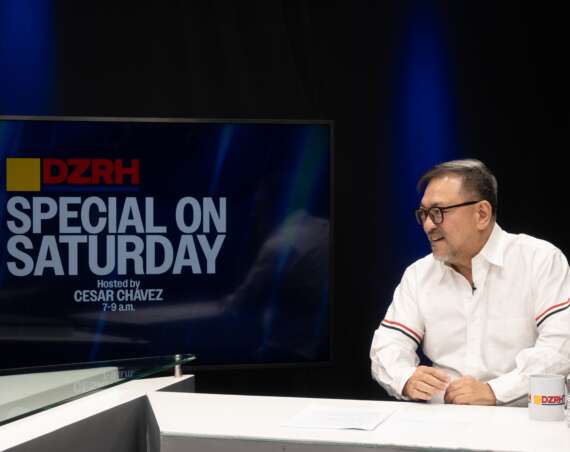
Tetchi Capellan, chairperson of the Philippine Solar and Storage Energy Alliance (PSSEA), laid out the case in an interview on DZRH News program Special on Saturday on May 9, saying the cost of solar rooftop installation has fallen dramatically over the past two decades.
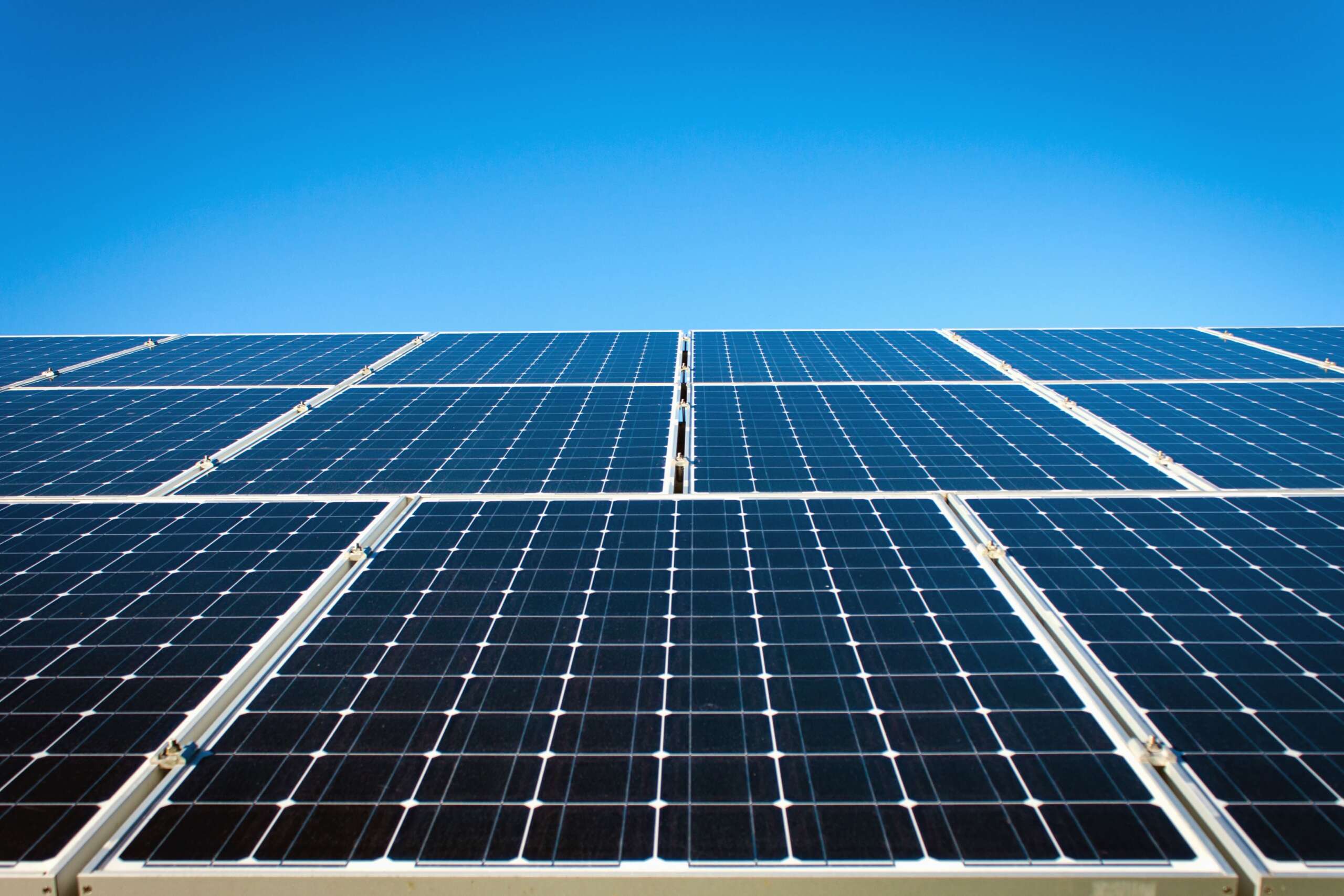
A 7-kilowatt system—roughly sixteen panels—that would have cost P4 million in 2004 now runs between P320,000 and P420,000 depending on the type of panels and equipment chosen.
“Ang presyo ngayon ng isang kilowatt ng solar ay umaabot na lang ng P70,000,” Capellan said.
For a household spending P10,000 a month on electricity, that 7-kilowatt setup is the right fit. Once installed, the monthly bill is expected to drop sharply.
“Bababa ang bill mo from P10,000 to about P3,000,” she said—a savings of seven thousand pesos every month. At that rate, the initial investment pays for itself in roughly four years.
For families in socialized housing, Capellan says a smaller 3-kilowatt system is sufficient and comes at a lower price point.
“Yun ang kailangan nating abutin, yun ang kailangan nating tulungan dahil yun yung mga kababayan natin na nangangailangan talaga ng suporta, lalo na sa krisis na ito,” she said.
The bigger obstacle today, she added, is not cost, but red tape. Permitting requirements vary from city to city and province to province, slowing down installations that could otherwise be completed in a week.
“Ang solar kaya mong i-install ng isang linggo,” Capellan said. “Kaya lang, dadaan ka sa napakaraming permit.” PSSEA is urging the Department of Energy (DOE) to harmonize LGU permit rules into a single standard nationwide.
With oil prices volatile and the energy crisis showing no signs of easing, Capellan argues that rooftop solar puts the solution directly in consumers’ hands.
“Sa panahon ng krisis, kailangan ilagay natin ang solar sa kamay ng mga consumers,” she said. “Sila mismo ang maglagay sa bubong nila para naiiwasan nila yung iba’t ibang points—hindi na sila dadaan sa NGCP, hindi na sila dadaan sa Meralco.” For many Filipino households, that option is now well within reach.