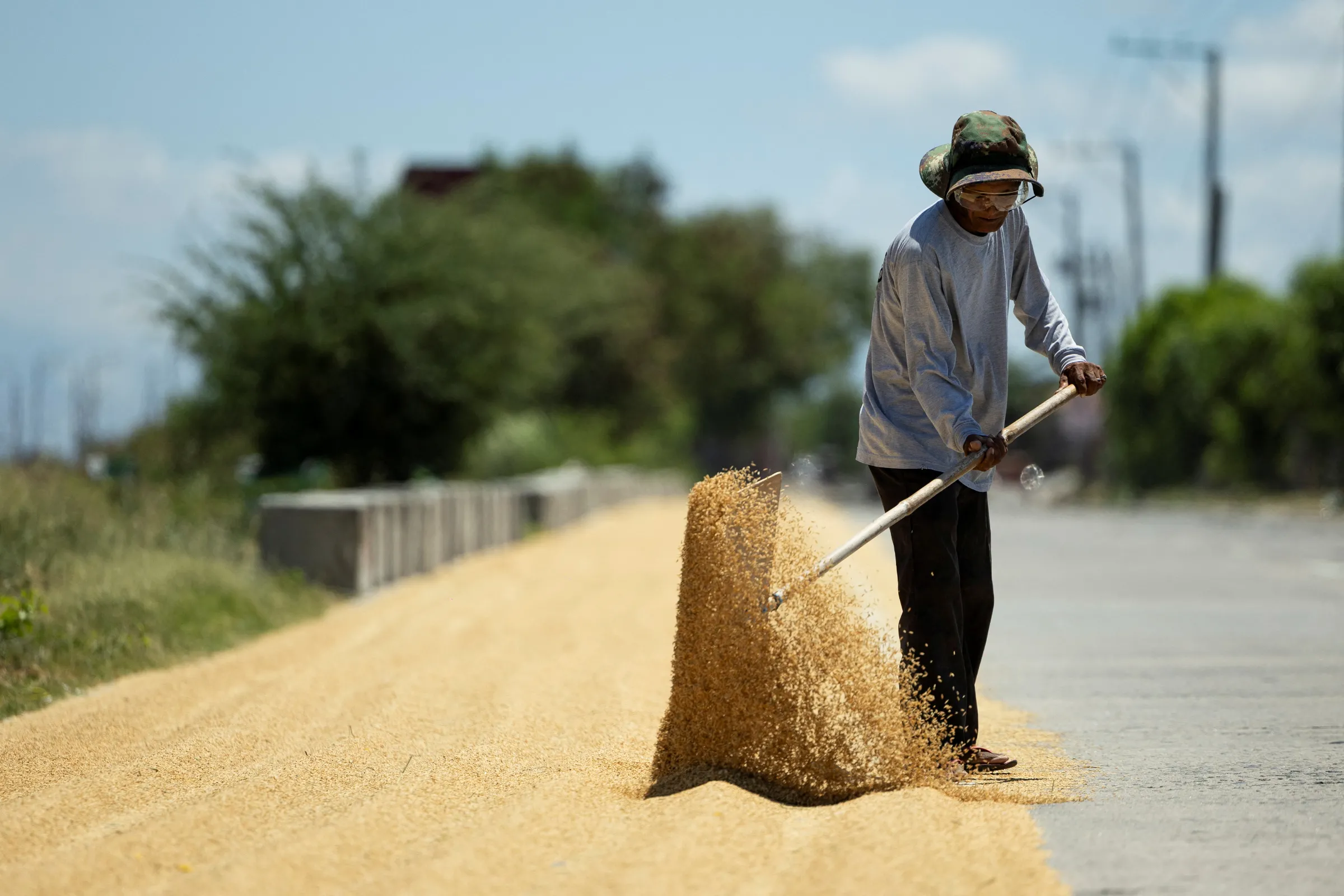
While the government celebrates a deal securing 1.5 million metric tons of rice from Vietnam, a veteran Davao journalist says the policy behind it is quietly destroying the livelihoods of the very farmers the country depends on.
Serafin “Jun” Ledesma Jr., speaking on DZRH’s Special on Saturday on May 9, argued that lowering rice import tariffs from 35% to 15% has effectively pulled the rug out from under local farmers who cannot compete with imported rice entering the market at around 20 pesos per kilo.
“Ang sinasakal mo naman at pinapatay mo nang dahan-dahan ay ang ating mga magsasaka,” he said.
Ledesma said the logic of cheap imports may look good on paper for consumers, but the real cost is being borne by the farmers who grow the country’s food.
Data from the Department of Agriculture backs up his concern: palay farmgate prices have dropped to as low as 16 to 17 pesos per kilo in key rice-producing areas including Nueva Ecija, Pampanga, Isabela, and Cagayan, as the harvest season nears completion.
The Philippines recently secured 1.5 million metric tons of rice from Vietnam through April 2027, a deal the government says is necessary amid Middle East conflict and El Niño risks.
Agriculture Secretary Francisco Tiu Laurel Jr. has defended the arrangement, saying it is crucial to securing stable supply amid geopolitical uncertainties.
But Ledesma questioned why the money being used to subsidize cheap imports could not instead be channeled directly to buying locally harvested palay from Filipino farmers at a fair price.
“Bakit hindi na lang gamitin ‘yung pera na subsidya pambili ng bagong aning palay sa mga magsasaka?” he said.
To cushion the impact, the National Food Authority (NFA) has raised its buying price for dry palay to as much as 30 pesos per kilo and is ramping up procurement in affected areas, while a direct purchase system is also being introduced to let farmers sell to the government ahead of harvest. —Reuters file photo