As oil prices rise and the peso weakens, the Philippine government is being urged to reassess its spending priorities, with the ₱17.6-billion ASEAN Summit emerging as one option for review.
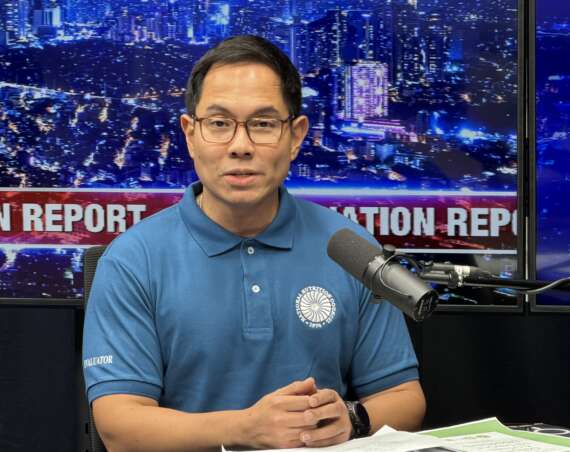
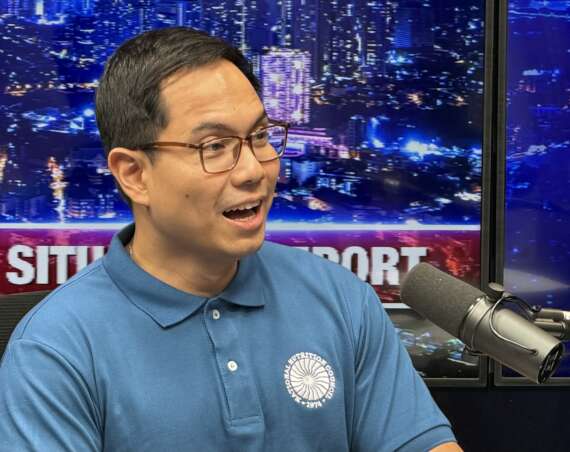
Former Finance Secretary Gary Teves says the question is not about diplomacy, but priorities. In times of crisis, he argues, governments—like households—must decide what to delay and where to redirect limited resources.
“Mag-prepare po tayo at dapat mag-sacrifice po tayo kagaya ng isang pamilya. Tignan natin uli ’yung ating budget, at tignan natin kung ano ang pwede nating i-postpone muna. Magtipid muna po tayo para may maiwan tayo sa pinaka-importanteng mga bagay na dapat gamitin ’yung limited resources natin. Itong ilaan natin sa pagkain po at suporta sa tinatawag na vulnerable sectors ng ating ekonomiya,” Teves said.
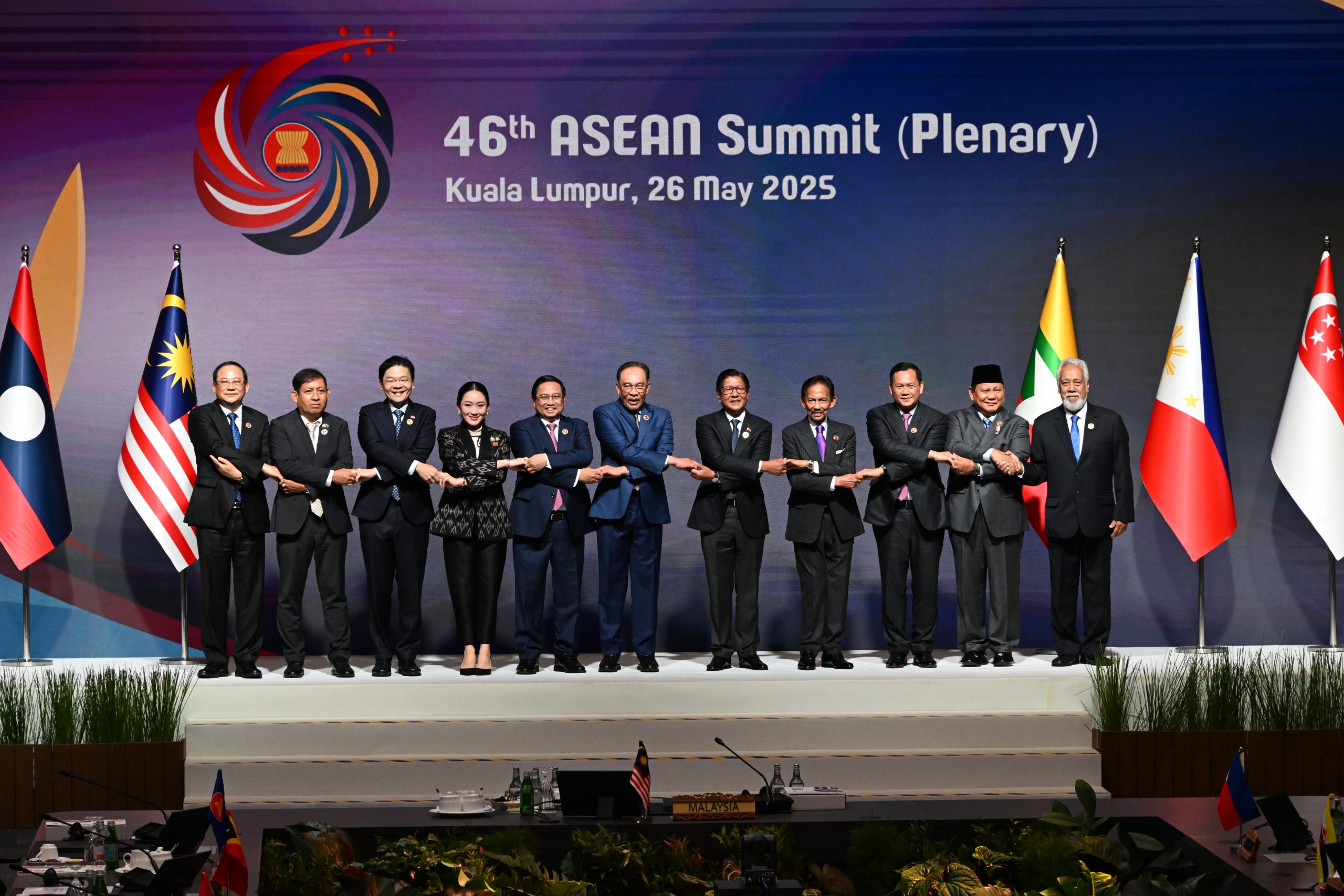
Among the items he flagged for review is the ASEAN Summit, which the Philippines is scheduled to host. The event includes not just the leaders’ meeting, but hundreds of preparatory sessions involving ministers, senior officials, and technical working groups.
“Alam mo ba ang budget sa ASEAN Summit tsaka related meetings? ₱17.6 billion,” Teves noted, pointing to the scale of spending required to host the regional gathering.
For Teves, the issue is not just the cost, but the timing. With global tensions rising and the Middle East conflict pushing up fuel prices, he said government resources may be better directed toward cushioning the impact on Filipino households.
“Net-net ’yan, talo tayo kung i-implement po natin,” he said, suggesting that the economic returns from hosting may not outweigh the immediate fiscal burden under current conditions.
Part of the uncertainty lies in whether the expected benefits—such as increased tourism and business activity—would materialize. Teves cast doubt on that assumption, noting that global instability may dampen travel and participation beyond official delegations.
“Sino namang turista ngayon ang talagang pupunta with the situation, maliban sa mga government representatives?” he said.
Still, Teves stopped short of calling for outright cancellation. Instead, he urged the government to consult ASEAN partners and explore the possibility of resetting the schedule, taking into account both diplomatic considerations and domestic economic pressures.
“They have to look into the legality at tsaka ’yung diplomatic concerns ng iba. At least meron silang consensus, itatanong muna ’yung kanilang ASEAN counterpart kung papayag ba sila na i-reset muna natin sa projection na walang maliwanag kung kailan matatapos itong war na ito,” he said.