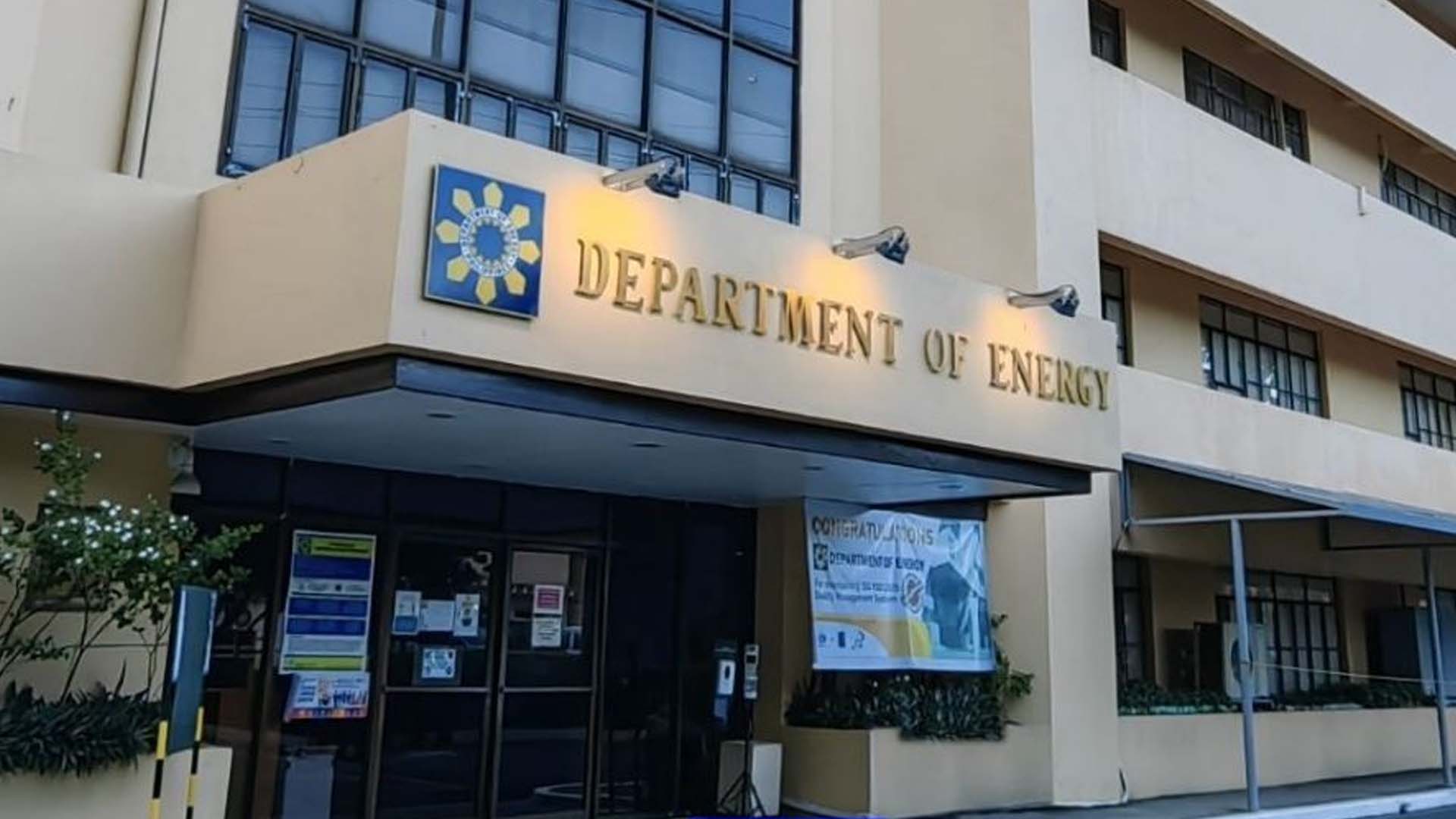
A transport group and an economic think tank on Saturday accused the Department of Energy (DOE) of acting as a mouthpiece for oil companies as fuel prices continue to rise amid global market tensions.
Orlando Marquez Sr., president of the Liga ng Transportasyon at Operators sa Pilipinas (LTOP), made the criticism during an interview on the DZRH News program Special on Saturday, saying the agency appeared to be merely announcing oil price adjustments instead of protecting consumers from steep increases.
“Parang spokesperson ng mga oil company ang DOE,” Marquez said. “Dapat i-demolish na lang ‘yung DOE na ‘yan eh, dahil wala naman pong silbi.”
Marquez questioned why pump prices continued to surge even as authorities previously said the country had oil stockpiles expected to last until the end of April. He said increases in pump prices had already reached nearly ₱20 to ₱30 per liter in some areas, with fuel prices in parts of Northern Luzon climbing as high as ₱80 to ₱86 per liter.
“Hindi pa ho nauubos ‘yung mga binili nila ng mababang presyo ay idinagdagan na nila ng almost 20 pesos,” Marquez said. “Kulang-kulang trenta, at sa ibang probinsya umaabot pa ng halos kwarenta pesos ang naidagdag na presyo.”
The transport leader said drivers were being squeezed by the combination of deregulated fuel prices and regulated fares, warning that many were barely bringing home enough income to support their families.
“Ang ginagamit natin na fuel ay deregulated, pero ang pamasahe, may regulation law,” Marquez said. “Kami po ang nagseserbisyo sa publiko, pero kami rin ang pinaka-nahihirapan sa ganitong sistema.”
Sonny Africa, executive director of the IBON Foundation, echoed the criticism, saying the DOE’s role had effectively been reduced to announcing price hikes rather than ensuring transparency in the oil industry. “Parang act of God sa atin ‘yung presyo ng krudo,” Africa said.
Africa said the government should investigate the pricing practices of oil firms to determine whether global price movements are being fairly reflected in local pump prices.
“Kung tumataas ang presyo ng krudo sa pandaigdigang pamilihan, higit pa ang sinisingil nila sa atin,” he said. “At kapag bumababa, hindi naman nila ipinapasa sa mga mamimili ang pagbaba.”
He pointed to last year’s movement in global crude prices, noting that the Dubai crude benchmark fell significantly while local diesel prices remained high.
“Last year, bumaba ang Dubai crude mula $80 per barrel hanggang $60 per barrel,” Africa said. “Pero ang diesel napako sa halos ₱57 kada litro. Kaya dapat tanungin kung saan napunta ‘yung diperensya.”
Africa added that stronger oversight by lawmakers could help shed light on the cost structure of oil companies, including import costs, refining, storage, and profit margins.
“Hindi dapat tanggapin na parang natural disaster lang ang presyo ng langis,” he said. “Kung bubuksan ang impormasyon tungkol sa import cost, refining, freight, at margins, masusuri ng publiko kung may profiteering.”