Ninety-eight percent of Filipino workers and their employers are in micro, small, and medium enterprises rather than large corporations, yet labor inspection and compliance resources of the Department of Labor and Employment (DOLE) have historically been concentrated on big companies, a mismatch Labor Secretary Francis Tolentino said Thursday he wants to address.
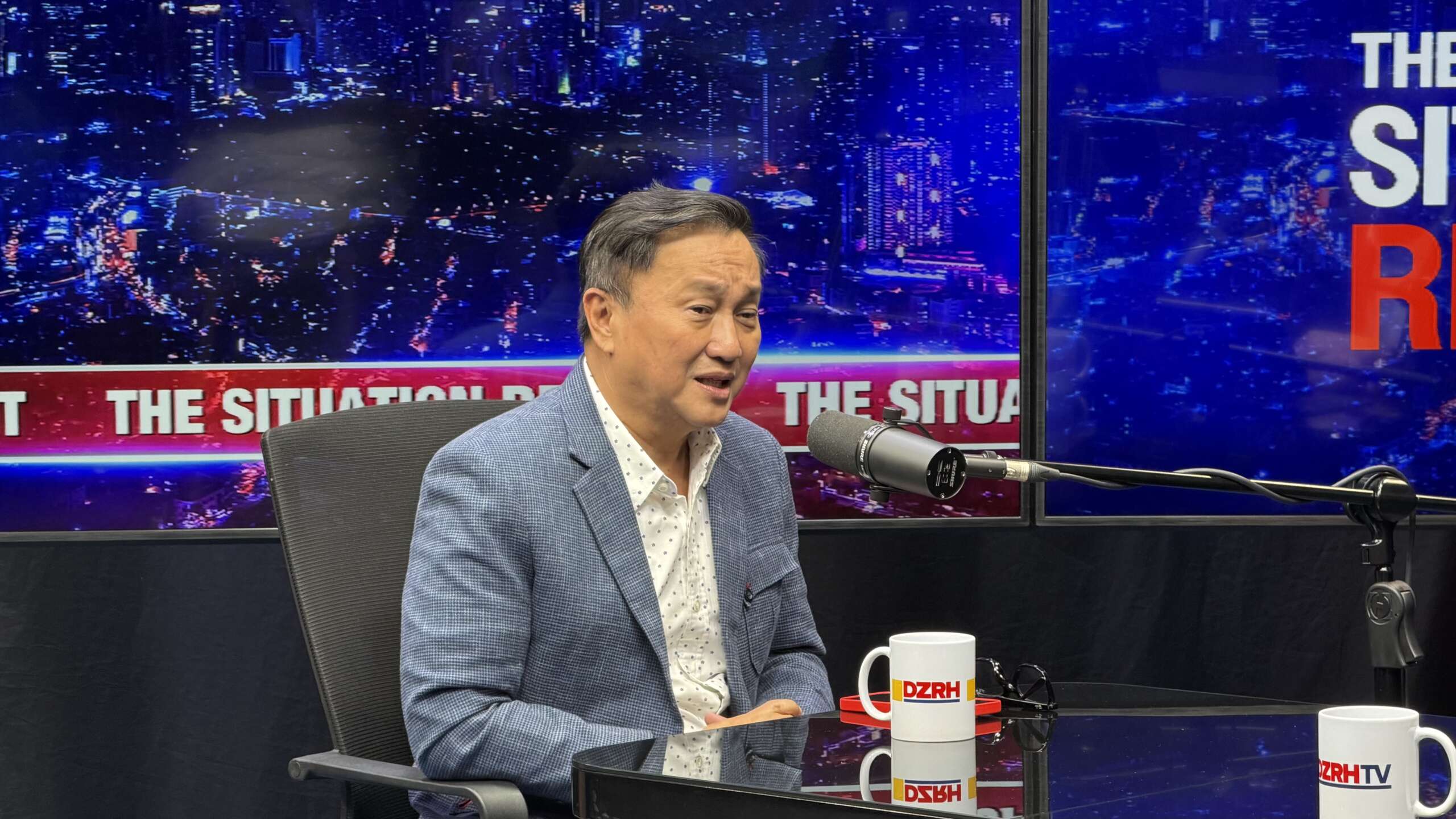
Tolentino made the statement in an interview on DZRH News program The Situation Report on September 10, saying the composition of the Philippine workforce challenges the conventional assumption that labor policy is primarily about large factories and export processing zones.
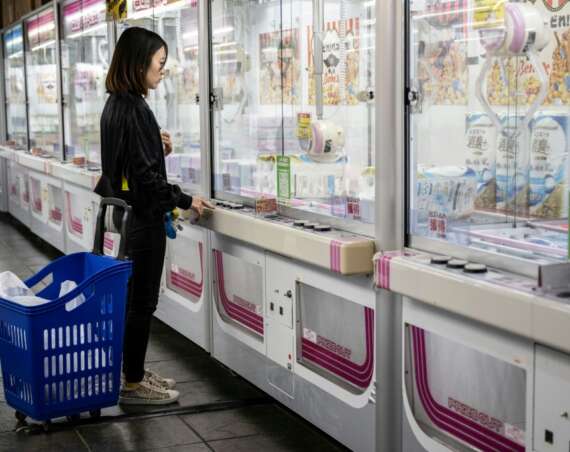
The President’s Labor chief said the businesses driving Philippine employment and economic recovery after the COVID-19 pandemic are the small restaurants, coffee shops, and micro enterprises scattered across every city and barangay in the country, most employing 10 workers or fewer.
“Ito ang makikita mo na pagkatapos ng COVID-19 pandemic, ito ang talagang nagsulputan at binubuhat ang ating ekonomiya. Unorganized on the part of the employers, and yet contributing a lot to the Philippine economy, especially in the NCR,” Tolentino said.
Tolentino said the current DOLE inspection system focuses on large establishments because they have more compliance requirements and a larger workforce, treating small businesses as a lower priority because they are less likely to generate serious labor violations at scale.
The Labor chief said this logic, while practical given the shortage of labor inspectors, misses the reality that the overwhelming majority of Filipino workers spend their entire careers in small businesses that receive little to no DOLE attention.
He said part of the solution is the proposed Labor Attorney’s Office, which would give workers in small businesses access to free legal representation they currently cannot afford, and part is the expansion of DOLE’s labor inspector force beyond the current 700 toward the plantilla target of 1,210 and eventually beyond.