The rise in overweight and obesity among Filipino children aged 5 to 10 is more worrying than the adult figures, with the rate tripling from around 5% in 2003 to 16% in 2025, Health Undersecretary Dr. Albert Domingo said Wednesday.
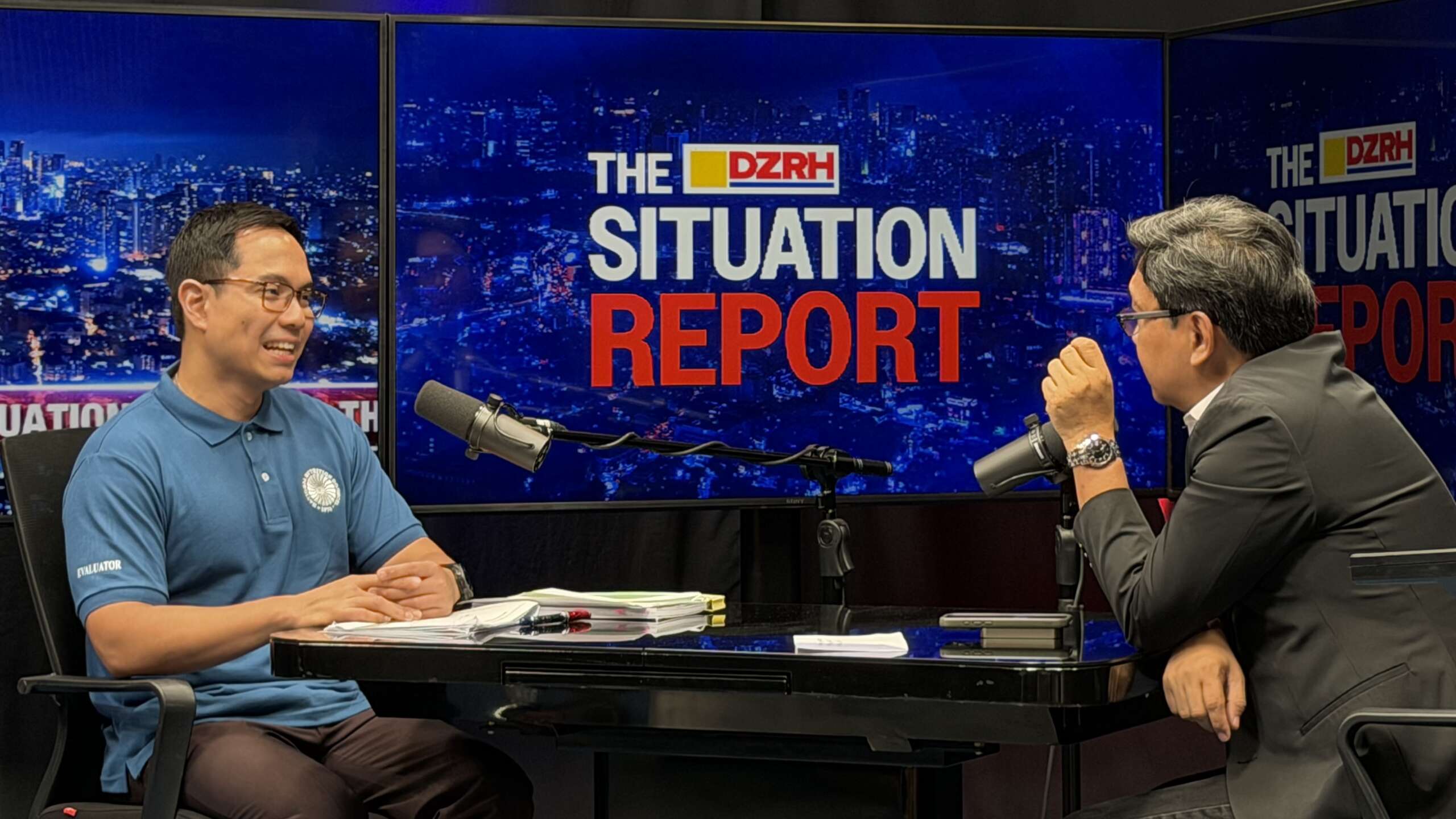
Domingo made the statement in an interview on DZRH News program The Situation Report on September 16, after presenting nutrition data to the House of Representatives as a resource person for a nutrition-related bill.
The health official, who supervises the National Nutrition Council (NNC), said the numbers extend across multiple age groups: 3.8% of children aged 0 to 59 months are already overweight for their height, one in ten schoolchildren aged 5 to 10 is obese or overweight, and one in ten adolescents aged 10 to 19 also exceeds their ideal weight.
“Para po sa amin sa NNC, ang mas nakakabahala dito is yung pagtaas dun sa ating mga 5 to 10 years old. Sa datos po natin, simula 2003, nasa range ng mga nasa 5%, tumaas po siya to around 16% nung 2025. One in 10, isa sa bawat sampu ng mga chikiting sa ating mga paaralan na 5 to 10 years old ang obese at overweight. And then one in 10 rin sa ating mga adolescents, 10 to 19 years old, ang mas mataas po ang kanilang timbang sa ideal,” Domingo said.
Domingo said the child trend is linked to dietary habits formed early in life, noting that children who are repeatedly given sweet food at a young age have their brain’s dopamine reward system trained to crave sweetness, a pattern that becomes a lifelong habit.
“‘Pag bata pa ‘tas paulit-ulit niyong binibigay ‘yan, mate-training ngayon ‘yung kanyang utak at magkakaroon siya ng tinatawag na sweet tooth. Hindi po namamana by genetics ang sweet tooth, namamana po ‘yan by training or by ugali, by habit. Kung ano po ‘yung dietary habits ng isang pamilya,” the health official said.
He said the same obesogenic environment that affects adults, where unhealthy food is more visible, more colorful, and more affordable than healthy alternatives, is what children encounter in school canteens and sari-sari stores, leaving them with little practical ability to make better choices even when they want to.
“Kung anong makikita niya sa harapan niya at abot-kaya ng kanyang baon, binibili na lang niya regardless kung gaano kataas ‘yung sugar, ‘yung salt, ‘tsaka ‘yung fat. So in other words, the society created a population with obesity,” Domingo said.