The escalating conflict in the Middle East could further weaken Filipinos’ purchasing power, think tank and research group IBON Foundation said.
IBON noted that the Philippines is “extremely vulnerable to global price shocks,” as the country imports around 95% of its petroleum requirements.
“Of this, 75% are refined petroleum products, while 25% are crude oil. Ninety-eight percent of crude imports come from the Middle East,” the think tank said.
On Monday, March 9, global oil prices surged to over $100 per barrel, their highest level since July 2022.
As global oil prices rise, local fuel prices are also expected to be affected.
Energy Secretary Sharon Garin said gasoline and diesel prices could increase by P17 to P24 per liter — a significant jump after 11 consecutive weeks of increases for diesel and kerosene, and nine weeks for gasoline.
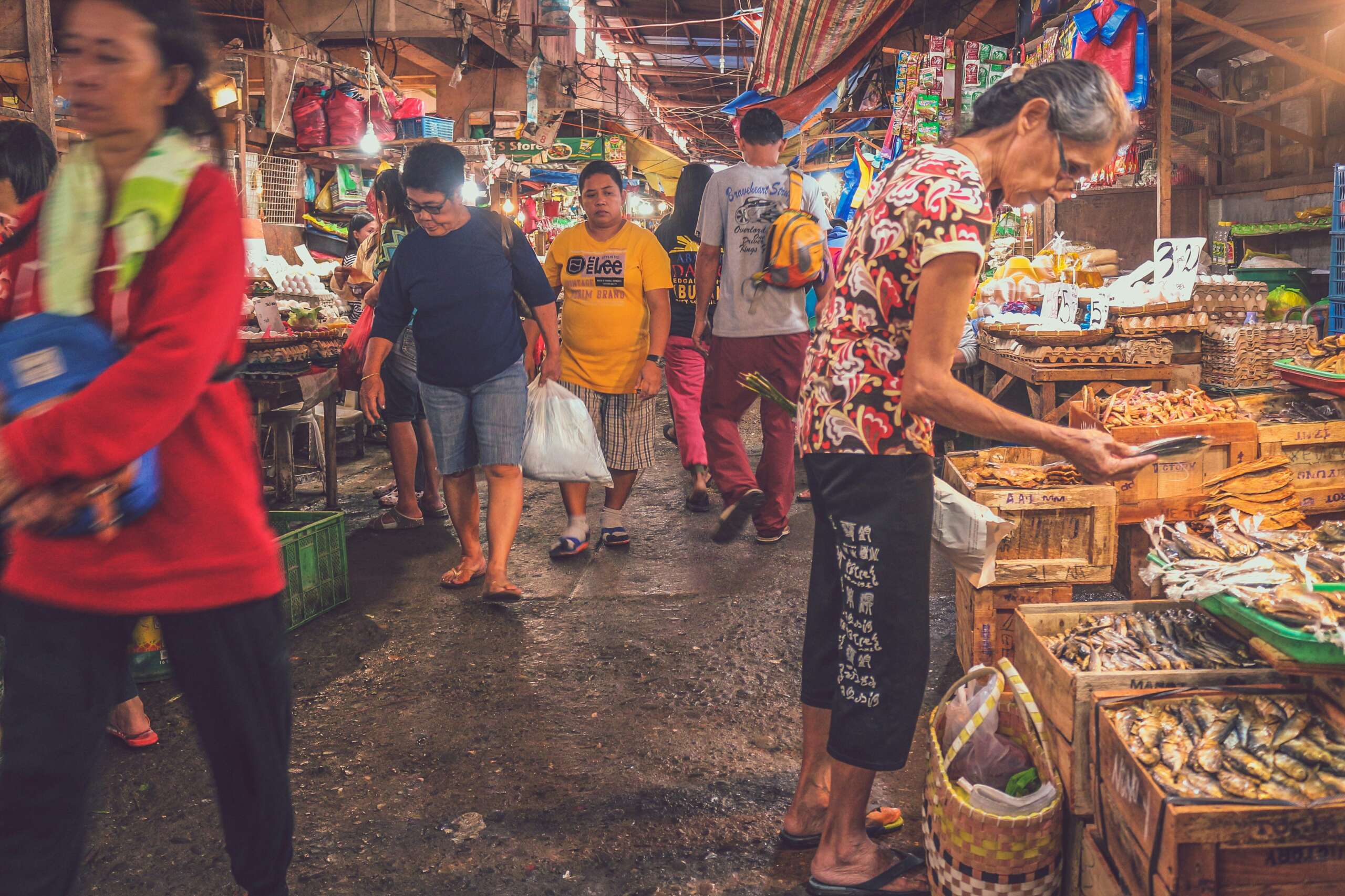
“Whether imposed all at once or in staggered adjustments, such large fuel price hikes will hit consumers hard. These will quickly translate into higher transport, electricity, production, and food costs,” IBON said.
Citing simulations from the Department of Economy, Planning, and Development, IBON said inflation could reach as high as 6.3% to 7.5% in March and the succeeding months, further affecting the purchasing power of the Philippine peso.
“Under this situation, the national average purchasing power of the peso — which is already at just P0.79 at present — could fall to P0.74 and even further to just P0.73,” the group said.
IBON also said the current minimum wages of many Filipinos will not keep up with the rising cost of living driven by higher fuel prices.
“The P504 average nominal minimum wage across the country’s 17 regions already falls far short of the estimated P1,258 average family living wage (FLW) as of February 2026. The FLW could rise further to P1,303 and up to P1,317 under the extreme inflation scenario,” it said.
The group also noted that inflation rose to 2.4% in February 2026 from 2% in January, indicating building price pressures on Filipino households, particularly those with low incomes. Inflation refers to the movement of prices of goods and services.
IBON urged the government to implement measures to control prices, including removing the fuel excise tax, subsidizing small producers, and raising wages.
It added that the Oil Deregulation Law should be revisited and scrapped to restore state control over oil prices.