Overseas Filipino Workers’ (OFW) remittances reached nearly $40 billion in 2025, the highest level ever recorded, and continue to post positive growth of 2.4 to 2.5% in the first six to seven months of 2026 despite the ongoing Middle East crisis.
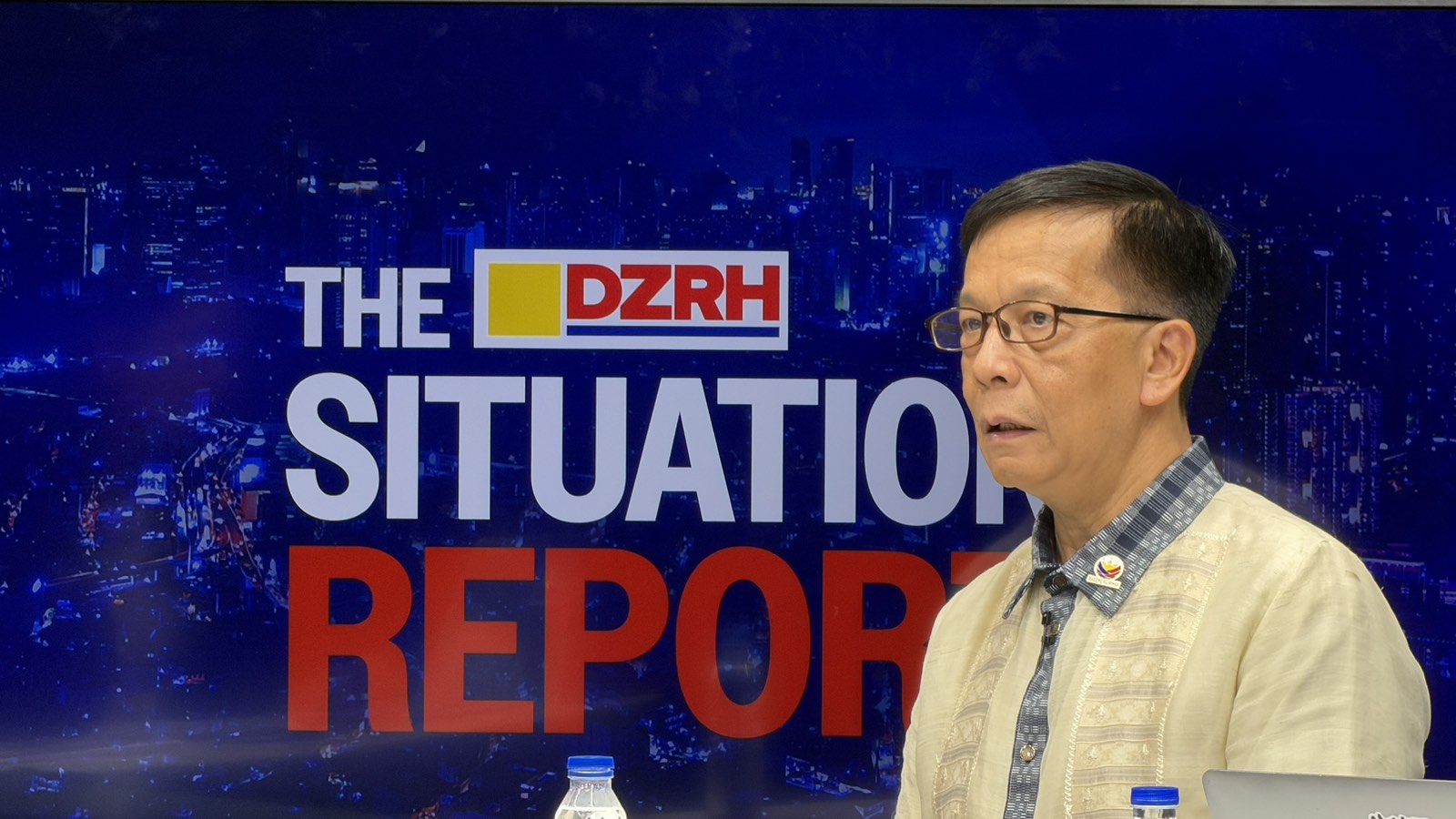
Migrant Workers Secretary Hans Leo Cacdac explained the details in an interview on DZRH News program The Situation Report on Monday, September 7.
The President’s migrant workers chief said the sustained growth during a period of regional conflict reflects what economists call the countercyclical nature of OFW remittances, or the phenomenon where Filipinos working abroad send more money home precisely when conditions in the Philippines deteriorate, not less.
“Habang tumataas ang antas ng krisis, sinasabayan ‘yan na kung saan dapat bumaba ang ipinapadala ng OFWs, resilient ang OFWs. Kahit papano, they try their best to cope, kaya countercyclical,” Cacdac said.
Cacdac said the nearly $40 billion in 2025 personal remittances translates to approximately ₱4 to ₱5 trillion, a massive injection into the Philippine economy that supports millions of families and drives domestic consumption.
The migrant workers chief said the positive growth trend in 2026 is particularly notable given that the Middle East accounts for 65 to 70% of Philippine OFW deployment, meaning the conflict has directly affected the income and deployment conditions of the majority of Filipino workers abroad.
Cacdac said the resilience of remittance flows reflects both the resourcefulness of individual OFWs and the effectiveness of the bilateral agreements and protection mechanisms the government has put in place to keep workers employed and safe.
He noted that around 70 to 75% of annual OFW deployment consists of rehires, or workers who are retained by the same employer year after year, reflecting the high regard that foreign employers have for Filipino workers even during periods of regional stress.