Manila City Mayor Francisco “Isko Moreno” Domagoso on Friday, March 27, announced that the city government will shoulder the earnings of jeepney drivers to allow participating units to provide free rides to commuters, as part of the implementation of Executive Order No. 14, series of 2026.
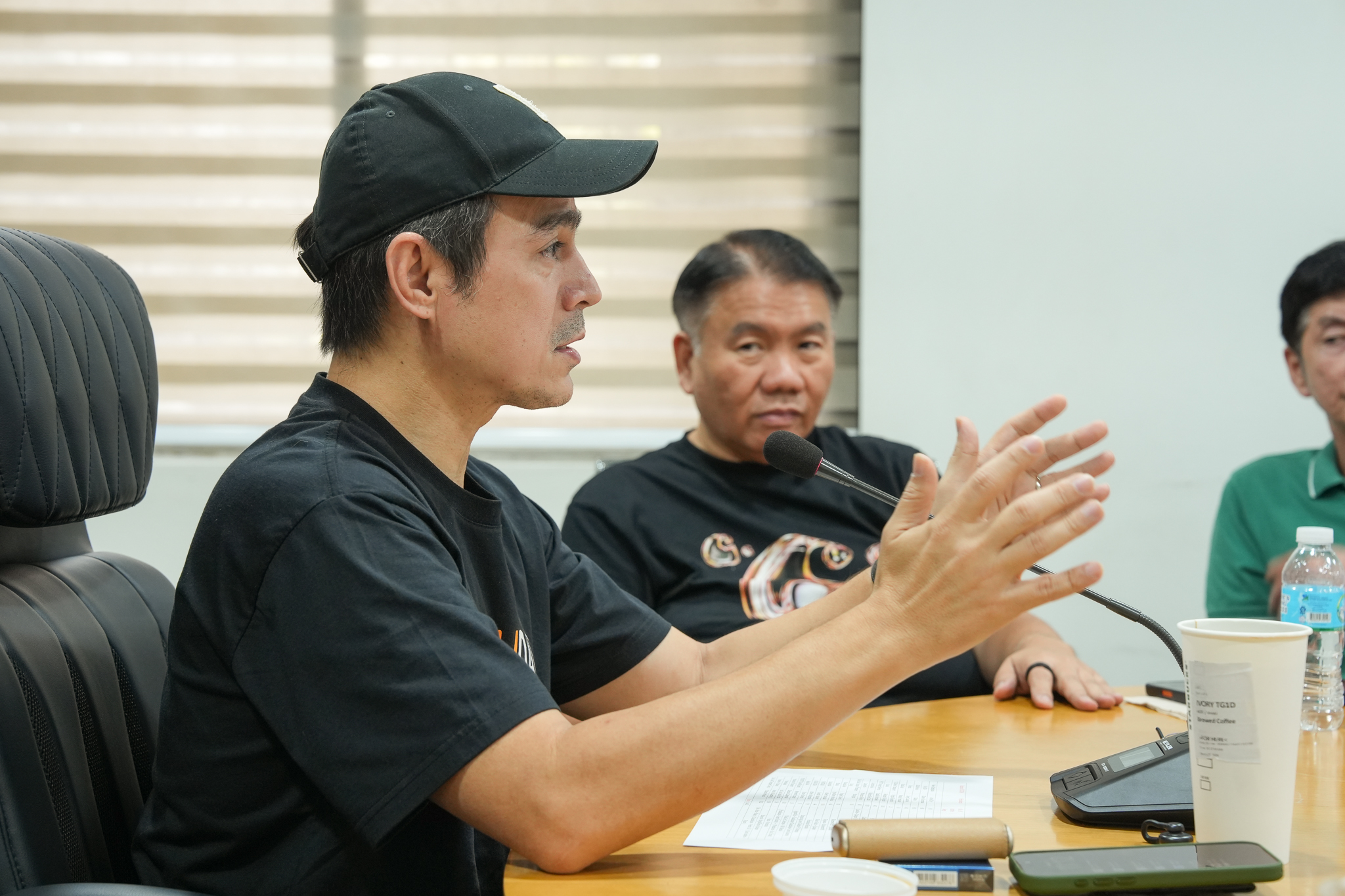
The program, unveiled during his “Talk to the People” address following a meeting with presidents of 22 Jeepney Operators and Drivers Associations (JODA), operationalizes Section 5 of EO 14, which mandates economic assistance for the transport sector amid rising fuel costs.
Under the arrangement, the Manila City Government will subsidize the daily operations of participating jeepneys, ensuring that drivers and operators receive guaranteed income while passengers are not charged fares.
Domagoso said jeepney drivers will receive about ₱3,000 per day depending on the type of unit, addressing the steep decline in daily earnings due to continuous fuel price increases.
“Hihiramin ko ’yung mga jeep at driver. Garantisadong bayad araw-araw. May kita ang operator, may kita ang driver. Tiyak na kita, kasiguruhan. May kita ang gasolinahan at mga nagnenegosyo sa Maynila, at higit sa lahat, walang kailangang bayaran ang ating mga mananakay kapag ang jeep na sasakyan nila ay kasapi ng programa ng Lungsod ng Maynila,” Domagoso said.
More than 1,400 jeepneys are expected to participate, covering routes across Manila and nearby areas, with the Mayor estimating that the program could serve around 100,000 passengers daily.
Domagoso said the initiative was developed within 48 hours as he sought immediate solutions to cushion the impact of the global oil crisis, which has significantly reduced drivers’ take-home pay to as low as ₱200 to ₱500 daily.
The Mayor acknowledged that national government assistance remains limited and temporary, describing the city’s intervention as merely “pantawid” or band-aid to help both drivers and commuters cope with rising transport costs.
The free ride program will initially run for five days across two weeks—Monday and Tuesday of the first week, and Monday to Wednesday of the following week—with possible extension depending on available funds.