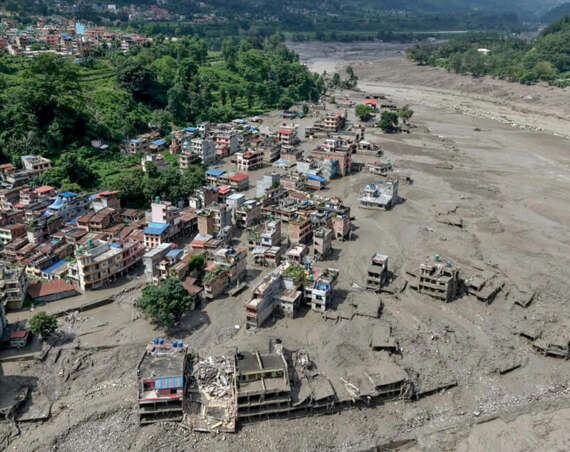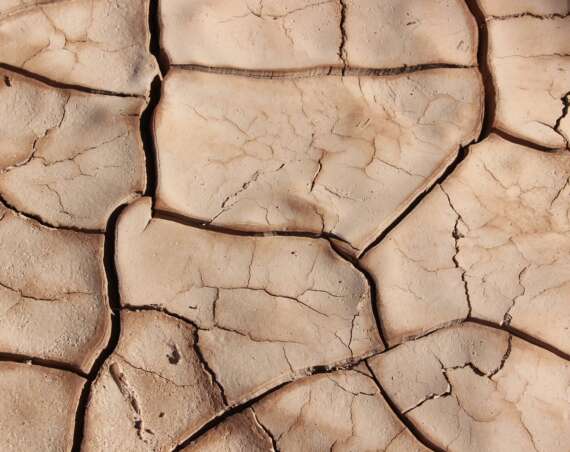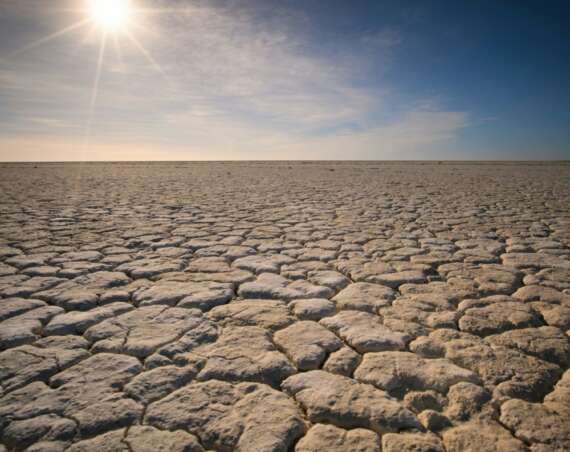
A warmer planet does not simply mean hotter days—it means more energy circulating in the climate system, producing wider swings between drought and intense rainfall that can trigger flash flooding when dry, hardened soil suddenly meets heavy rain, a Filipino climate scientist warned Saturday.
Manila Observatory Executive Director Fr. Jose Ramon “Jett” Villarin explained the mechanism in an interview on DZRH News program Special on Saturday on June 20, as part of a discussion on climate change and El Niño.
“Pag mainit ‘yung mundo, talagang parang swing ‘yan. ‘Di ba sa palaruan natin, kapag there’s a lot of energy, there will also be a lot of extremes. So minsan baha, minsan din naman tagtuyot,” Villarin said.
He said projections show that in a warmer world, drought periods become drier while rainfall events become more intense — a contrast that becomes especially dangerous when the two occur in sequence.
“Lalo na ‘pag darating ang mga El Niño, ‘pag may drought, ‘pag tuyo ‘yung lupa tapos biglang dumating ‘yung ulan, baha agad ‘yan. Hindi kayang i-absorb ng lupa dahil tuyo,” Villarin said.
Villarin likened the phenomenon to a playground swing, where added energy increases the amplitude or distance the swing travels in both directions—meaning the climate system will continue to experience more extreme highs and lows as global temperatures rise.
He said warming also affects the distribution of moisture across the country, determining which areas receive more rainfall and which experience drier conditions—a shift with direct consequences for farmers and fisherfolk who depend on predictable weather patterns.
Villarin said the planet has its own natural stabilizing mechanisms, such as cloud formation that provides cooling when temperatures rise, but warned that human activity has disrupted these equilibrium processes, making such extremes more frequent and more severe.