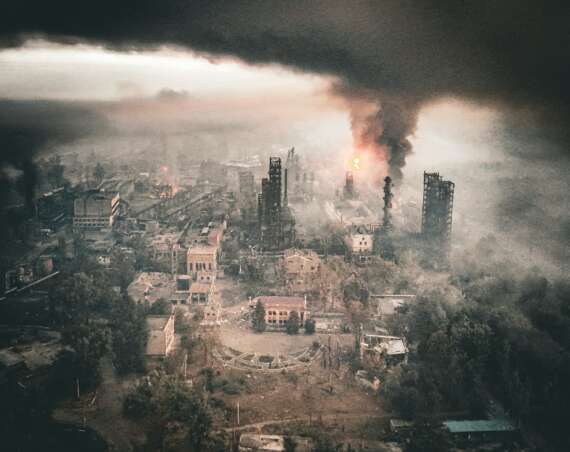
As a powerful El Niño event collides with an already superheated planet, the global climate system is flashing unprecedented warning signs, driving “exceptional” global temperatures, melting ice sheets, and rising sea levels, the World Meteorological Organization (WMO) said.
On the opening day of COP31 in Antalya, Türkiye, the WMO warned in its latest report that key planetary indicators had moved decisively “off the charts,” fueling mounting human, environmental, and economic costs.
TEMPERATURES CONTINUE TO BREAK RECORDS
The State of the Climate Update 2026 underscores that the past 12 years have individually been the warmest on record, with 2023 to 2026 marking the four warmest years in observational history.
According to the WMO, the global mean near-surface temperature anomaly from January to September 2026 reached approximately 1.47°C above the pre-industrial average.
“This figure is likely to rise through the end of the year because of the warming effect of El Niño, which has been intensifying since August and is expected to be the strongest on record by December,” the WMO said.
The oceans absorb around 90% of the excess heat trapped by greenhouse gases, pushing ocean heat content to record highs.
The WMO said 2026 is on track to mark the tenth consecutive year of record-breaking ocean warmth.
“El Niño and indeed the state of the global climate in 2026 gives new meaning to the phrase off the charts. El Niño doesn’t add new heat to the planet. It releases heat from the ocean, which is the warmest ever measured. There is simply more heat available to release,” said WMO Secretary-General Celeste Saulo.
MELTING ICE AND RISING SEA LEVELS
According to the WMO, global mean sea level reached a record high in 2026, driven by the thermal expansion of warming oceans and the melting of glaciers and ice sheets.
WMO data showed that global glaciers lost more than 400 gigatons of ice in 2025, equivalent to enough water to fill five Olympic-sized swimming pools every second. This marked the fourth consecutive year of ice mass loss across all 19 monitored glacier regions.
Meanwhile, Antarctic sea ice recorded its third-lowest annual maximum on record, while Arctic sea ice maximum levels remained near historic lows.
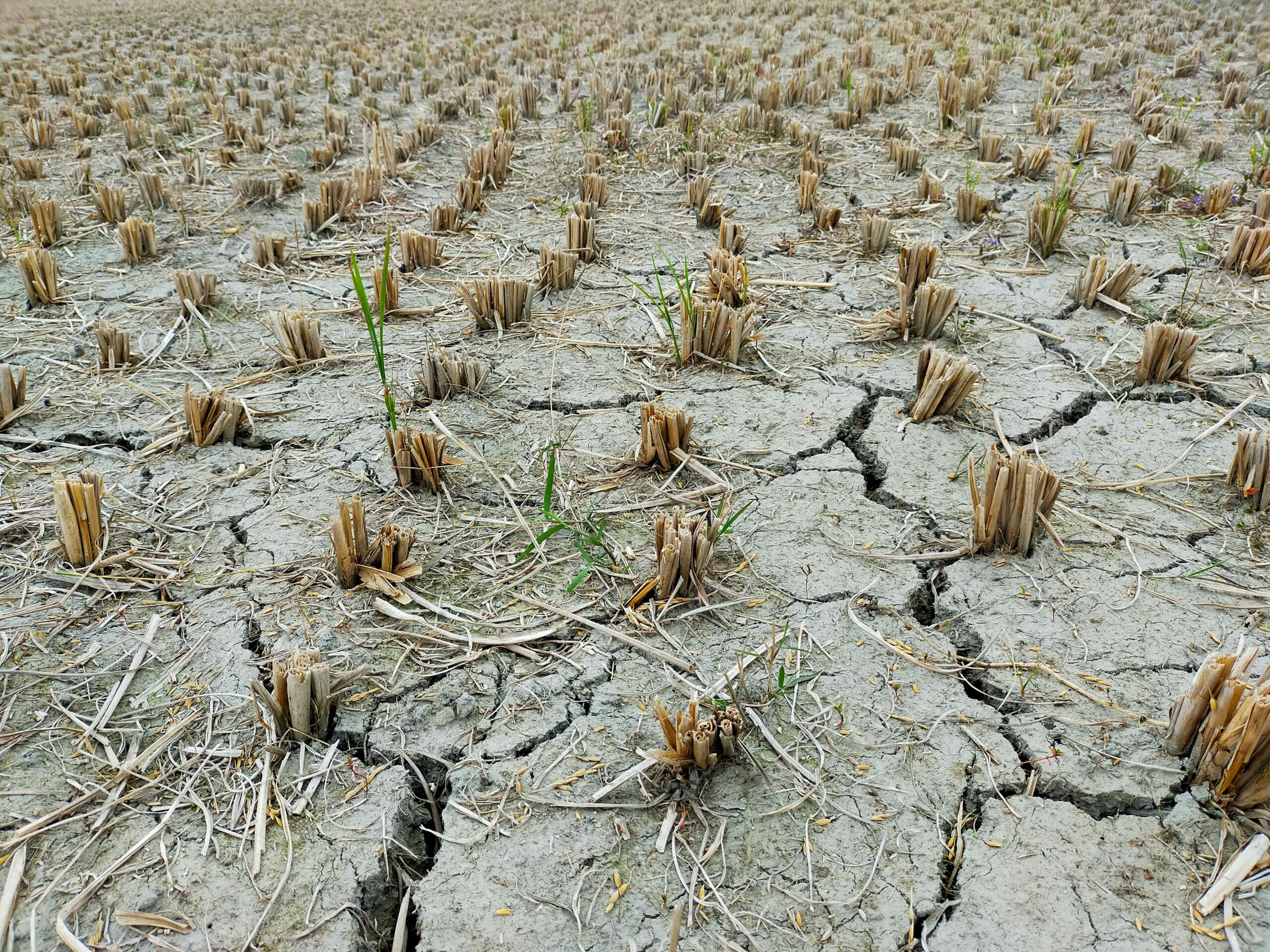
Water scarcity also continued to worsen, with terrestrial water storage steadily declining since 2014. Around 42% of the assessed global land area experienced below-normal water storage in 2025.
EXTREME WEATHER TAKES A TOLL ON PEOPLE AND ECONOMIES
Extreme weather events continued to threaten human lives and economies across the globe.
The WMO said severe heatwaves, droughts, and wildfires contributed to more than 30,000 preliminary excess deaths in Europe alone.
In April, a heatwave in India exposed approximately 146.5 million people to extreme temperatures.
Four months later, in August, a catastrophic glacier collapse and subsequent flash flood in Nepal claimed more than 1,300 lives and severely affected the country’s economy.
As El Niño influences weather patterns worldwide, health emergencies have also intensified, with consequences for food security, air quality, and the spread of vector-borne diseases such as dengue and malaria, as well as waterborne diseases like cholera.
For the first time, the World Health Organization (WHO) also classified the anticipated health impacts as a health emergency.
The WMO warned that El Niño is further increasing risks to agriculture and food production systems, particularly rain-fed farming.
“We have entered a new age of climate extremes. A supersized El Niño is colliding with a planet already superheated by manmade climate change. Climate records keep falling. The human costs keep rising. And those least responsible are suffering first and worst. Leaders must get serious by cutting emissions faster, accelerating a just transition from fossil fuels and delivering the finance and protection vulnerable countries need.” said UN Secretary-General António Guterres.
CALLS FOR FASTER CLIMATE ACTION AND EARLY WARNING SYSTEMS
As global climate negotiations continue, the WMO is stressing the urgent need for faster greenhouse gas emission reductions, a transition away from fossil fuels, and targeted climate financing for vulnerable countries.
On a positive note, the WMO reported significant progress in international disaster preparedness, with the number of countries reporting multi-hazard early warning systems increasing from 56 in 2015 to 136 in 2025.
The agency further emphasized that forecasts supported by sustained observations and monitoring “are more important than ever” amid the rapidly changing climate.
The WMO clarified that its latest findings are based on initial observations, with the full report scheduled for release in March 2027. Data from September 2026 onward are not yet available and therefore do not fully reflect the potential impacts of El Niño.