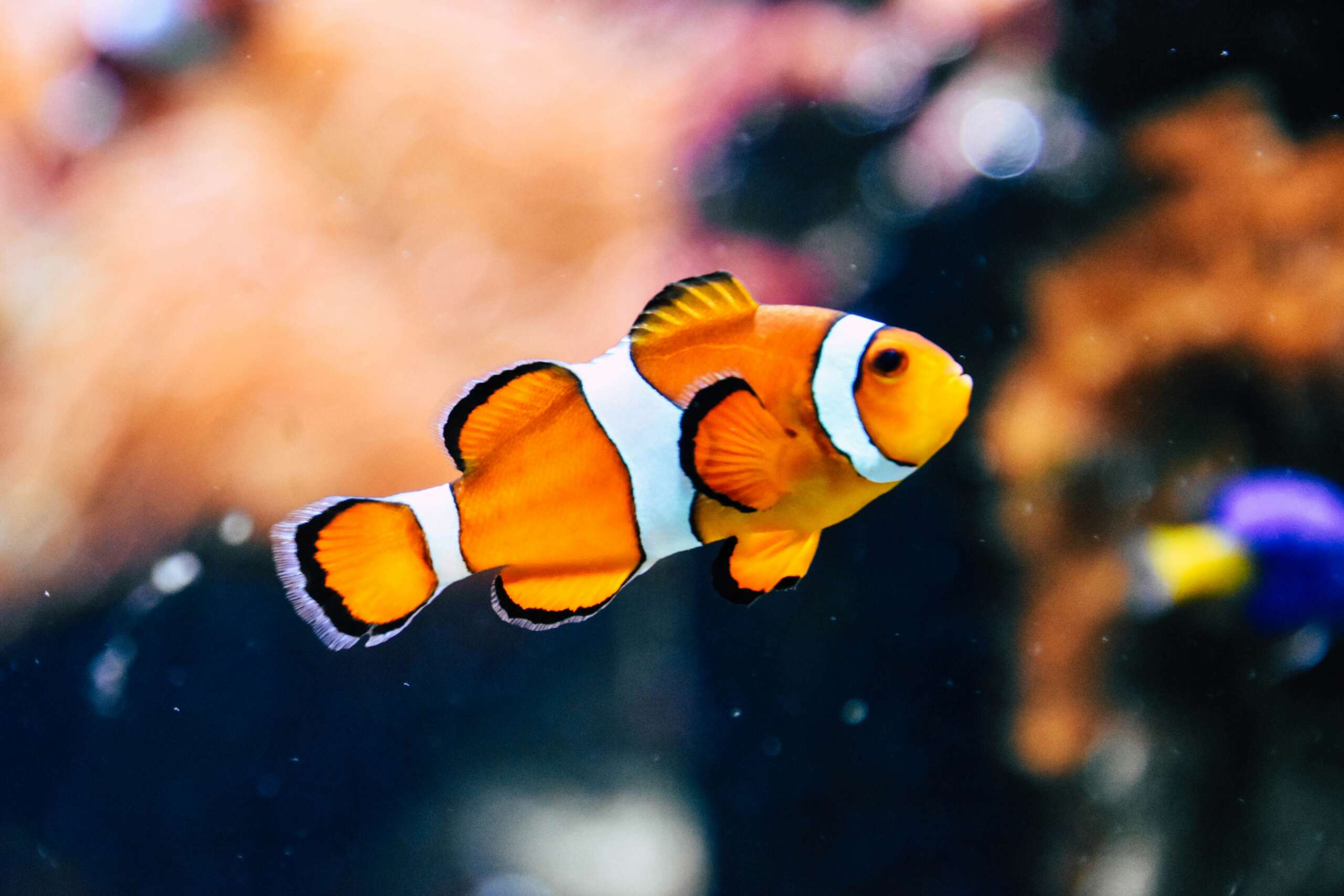
Clownfish dad Marlin cannot afford to lose his only son, Nemo. But in reality, their species is slowly disappearing due to climate change. Could they one day become a distant memory from a movie?
In a study published in npj Biodiversity, an international research team led by scientists from King Abdullah University of Science and Technology and Boston University found that a severe marine heatwave in the central Red Sea triggered the near-local extinction of clownfish and their host sea anemones.
The findings show how rapidly intensifying extreme temperature events can disrupt delicate marine partnerships.
“The impact of heat stress on coral reefs has become more severe and more frequent over the past decades, causing massive coral losses globally,” the researchers said. “The decline in coral coverage has an obvious impact on the populations of other reef organisms that rely on these ecosystems to survive and reproduce, such as many species of fish and invertebrates.”
The researchers tracked the ecological impact of a 2023 marine heatwave that pushed water temperatures to dangerous levels.
They monitored three reef sites off the coast of Saudi Arabia from 2022 to 2024 and documented a devastating chain reaction following the period of extreme thermal stress.
The researchers found that all host sea anemones they monitored experienced thermal stress, causing them to expel the algae essential to their survival.
They also observed severe bleaching that killed the vast majority of host anemones across the studied reefs.
With their habitat disappearing, researchers recorded clownfish mortality rates ranging from 94.3% to 100%. The local populations of two-banded anemonefish were nearly wiped out.
Unlike less severe heat stress events previously observed in the Indo-Pacific, the intensity of the 2023 Red Sea heatwave reached approximately 22 degree heating weeks, surpassing the thermal tolerance threshold of the clownfish species.
CLIMATE CHANGE AS A SEVERE THREAT TO MUTUALISM
The mutual relationship between clownfish and their sea anemone hosts highlights how dependent the two species are on each other.
Sea anemones provide clownfish with shelter and protection from predators, while the fish defend their hosts from predators and consumers, clean debris, and provide nutrients through their waste.
However, when severe heatwaves force anemones to bleach and die, this symbiotic relationship breaks down. Without their hosts, clownfish are left vulnerable to predators, resulting in rapid mortality.
Researchers warn that the collapse of these symbiotic populations serves as a stark warning for marine ecosystems worldwide, with climate change emerging as one of the strongest threats.
“A fundamental question in modern-day ecology is: How will populations and their interactions respond to a rapidly changing climate?” the researchers said.
“Our study highlights the vulnerability of mutualistic reef species to extreme heat and suggests that such events may drive local, if not regional, extinctions of ecologically important symbioses,” they continued, noting that as global climate change accelerates the intensity of marine heatwaves, it becomes a threat to biodiversity and economic stability.