As the state weather bureau PAGASA warned that a “very strong” El Niño is rapidly strengthening, a new report estimates that the Philippines could record about 6,500 additional heat-related deaths from this year until early 2027.
The Climate Impact Lab said the country may experience “6,500 ± 410 additional heat deaths” during the period, as extreme temperatures intensify.
The report noted that the ongoing “Super El Niño” is pushing global temperatures to about 1.2°C above normal, exposing populations to heat levels not expected as a baseline for another two decades.
“These anomalously warm conditions will resemble the higher temperatures that climate change is projected to deliver 20 years in the future and will lead to 44% more extremely hot days than we would expect in a normal year,” the report said.
Globally, the Climate Impact Lab estimates that 451,000 additional deaths could be linked to extreme heat during the current El Niño cycle, with the Philippines among the most vulnerable countries in Southeast Asia.
The report also cited the Philippines, Vietnam, Thailand, and Cambodia as among the most affected, with a combined 19,400 additional deaths projected across these countries, and another 19,300 in Indonesia.
“We have long been able to predict the impacts of temperatures on crops, and now we can predict their impact on the worst outcome—death,” said Michael Greenstone, co-founder of the Climate Impact Lab. “This is such a large number that it can be numbing, but it is made up of parents and children, grandparents and neighbors, people going to work, caring for families, and living their lives.”
In a press conference on Wednesday, PAGASA Administrator Nathaniel Servando said a “very strong” El Niño is likely in the last quarter of 2026.
“This situation needs to be taken seriously, particularly because of its potential impacts on rainfall and water resources,” Servando said.
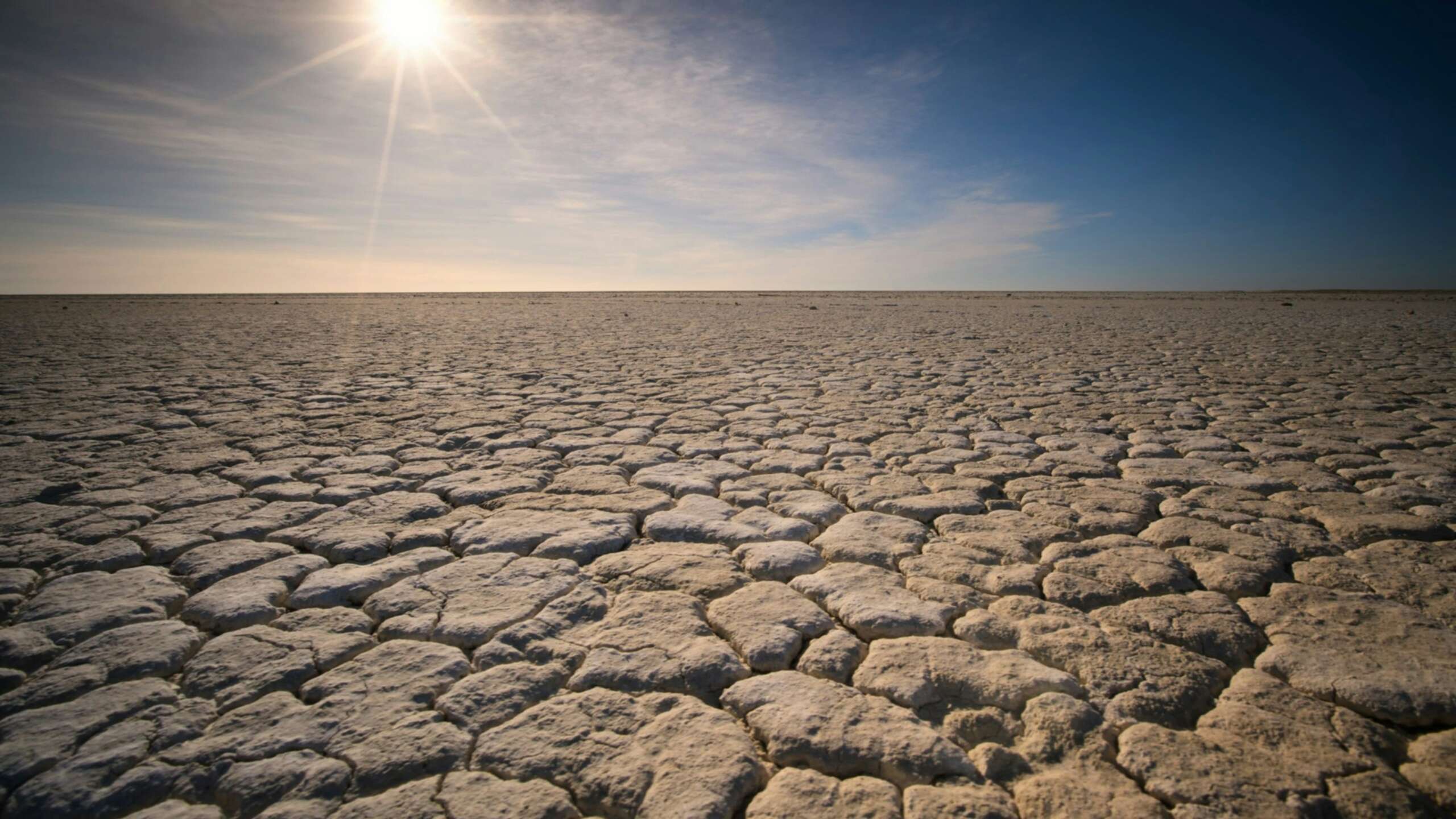
He added that beginning October 2026, more provinces may experience below-normal rainfall and prolonged dry conditions, affecting about 45 provinces, while eight provinces may face drought.
“As we progress towards the remaining part of this year… and based sa aming forecast, the strong El Niño will continue or extend up to the first half of 2027,” Servando said.