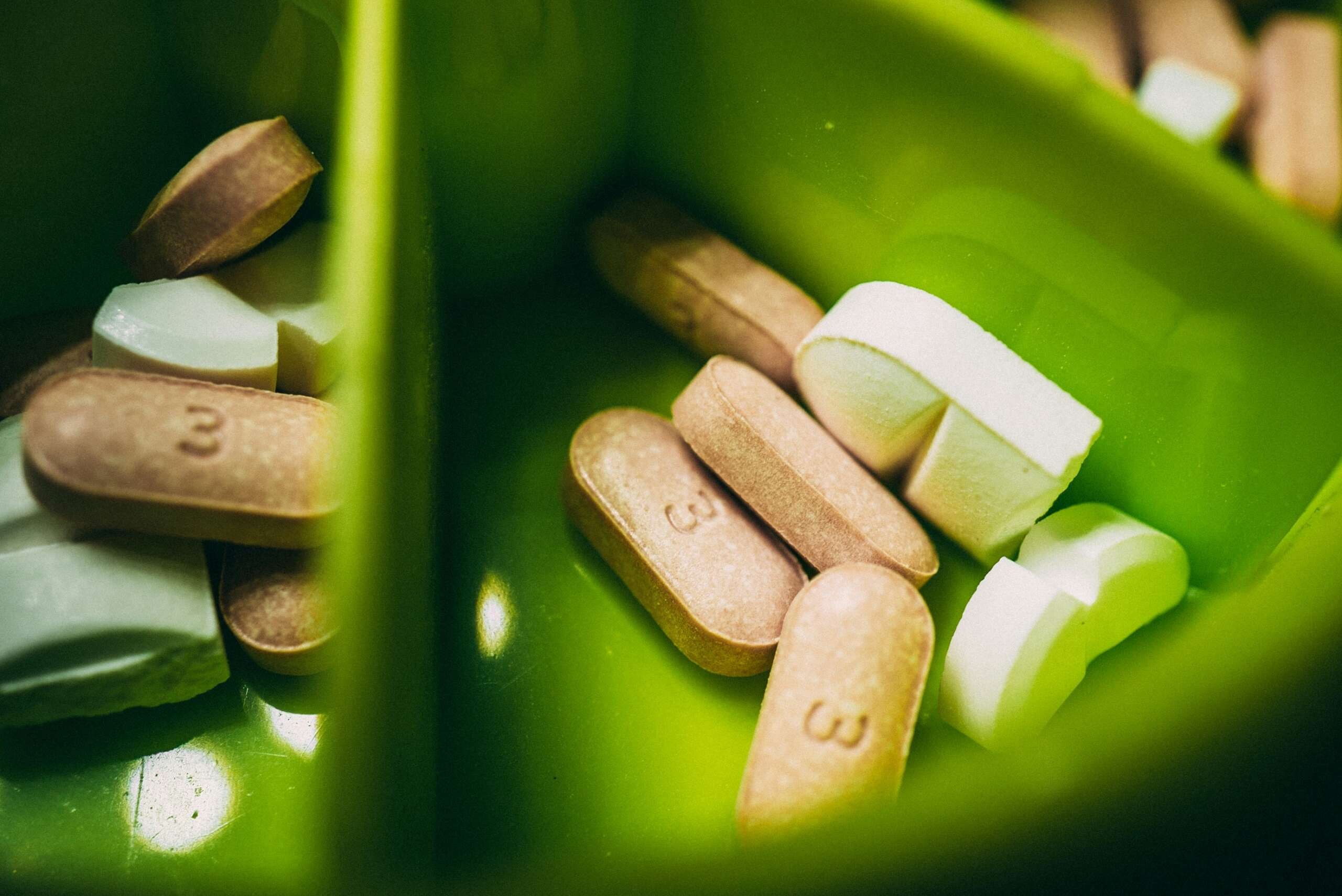
Vitamin D supplements may not be as beneficial as commonly believed, particularly among older adults, according to a landmark study published in BMJ Open.
The study, led by researchers Rong Hua, Chun Siang Lam, Vincent Chung Tong Mok, and Yin Ting Cheung, challenges the widely held view that routine vitamin D supplementation helps protect against age-related cognitive decline.
Researchers analyzed longitudinal data from 5,065 dementia-free participants aged 67 and older from the U.S. Health and Retirement Study. Findings showed that older adults who took vitamin D supplements experienced a faster decline in overall cognitive performance and executive function compared to those who did not take supplements.
While earlier observational studies suggested that low vitamin D levels are linked to a higher risk of dementia, the researchers said real-world supplementation does not appear to provide cognitive protection.
The analysis also found an unexpected association between supplementation and faster cognitive decline among individuals who already had sufficient vitamin D levels prior to taking supplements.
For participants with vitamin D deficiency or insufficiency at baseline, supplementation showed no statistically significant positive or negative effect on cognitive outcomes, the study noted.
The study further revealed that vitamin D supplement users had a significantly steeper annual decline in global cognitive function scores compared to non-users.
Rather than offering benefits, supplementation was linked to a more rapid decline in executive function, which includes working memory, processing speed, and attention.
Even among participants with lower baseline vitamin D levels, researchers found no clear cognitive benefit from supplementation.
“The findings from real-world data do not support the use of vitamin D supplements to prevent cognitive decline in older people with adequate vitamin D status,” the study said.
Researchers noted that vitamin D remains one of the most widely used dietary supplements among older adults worldwide, with usage likely increasing during the COVID-19 pandemic due to its perceived role in immune health. However, it is often taken without proper clinical diagnosis or testing for deficiency.
They emphasized that while adequate vitamin D intake through a balanced diet and safe sun exposure should still be encouraged, healthcare providers should exercise caution in recommending over-the-counter vitamin D supplements to older adults without clear evidence of deficiency.