Former Agriculture Secretary Emmanuel “Manny” Piñol is promoting two unlikely food crops as the future of Philippine food security—wagyu beef cattle, which he says can be raised profitably even in backyard farms, and breadfruit, a native tree that provides food for generations from a single planting.
Piñol explained the details in an interview on DZRH News program The Situation Report on September 9, where he said the Philippines must expand its thinking about what it grows and eats before population growth and climate change make the current food system unsustainable.
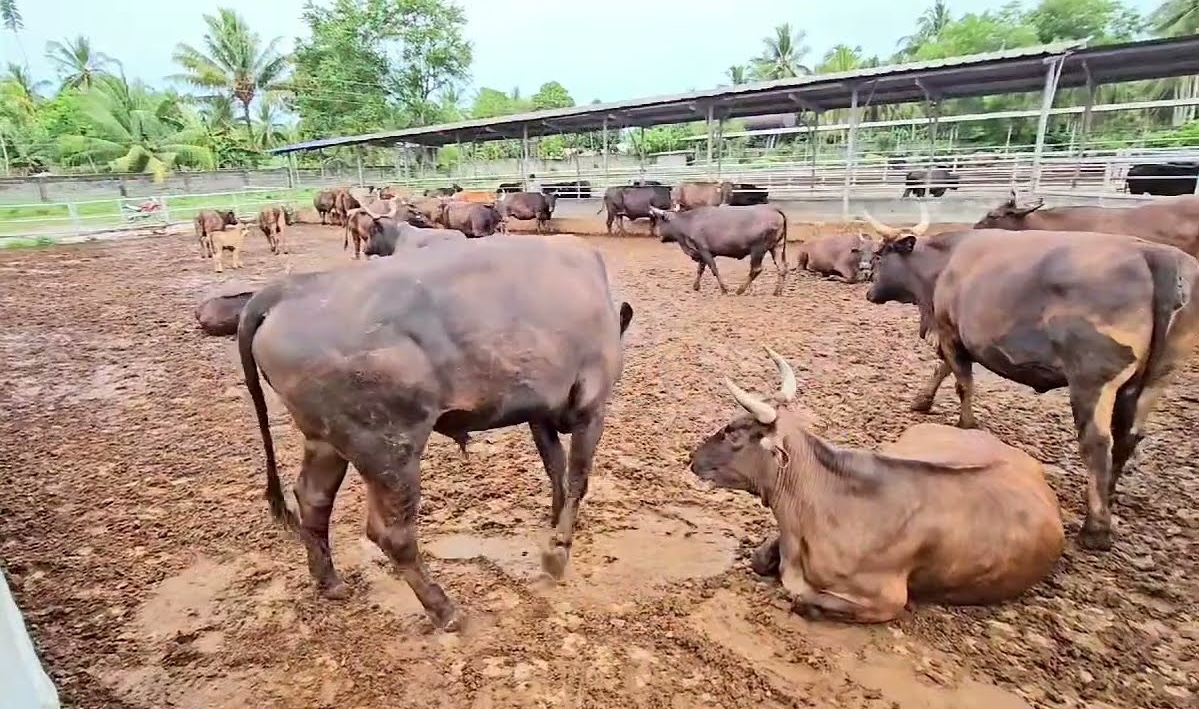
The former Agriculture chief said the wagyu industry is already being pioneered in the Philippines through the Umalag Farm in Libona and Sumilao in Bukidnon, where approximately 2,000 wagyu cattle are now being raised and marketed locally under the Kitayama brand.
“It’s exciting, it’s a new industry that we’re trying to develop at nakikita natin yung potential nito. Ang pangarap talaga namin ay gayahin natin yung ginagawa ng mga Hapon na sa likod ng bahay ng isang pamilyang magsasaka, meron siyang apat na baka,” Piñol said.
The former Agriculture chief addressed the common perception that wagyu is unaffordable, explaining that only about 60 kilos of the entire carcass are premium cuts.
He said the rest can be sold at fair and affordable prices, just as wagyu shabu-shabu and non-premium wagyu cuts are sold at accessible prices in street corners across Melbourne, Australia.
On breadfruit, Piñol said the crop—known as kulo in Bicol and Ilonggo, and rimas in other parts of the country—is a member of the jackfruit family, has no seeds, is sweeter and softer than related fruits, and tastes like bread when cooked.
“You plant trees at saka isang tanim, panghabang-buhay na source ng pagkain. Hindi tulad ng palay for example, you plant now, you harvest after 4 months, plant again, harvest again, and so on and so forth. But with sources of food like breadfruit, you plant now, you harvest forever,” Piñol said.
He said breadfruit is also a superfood, and that planting it protects the environment since it is a native tree — giving it both nutritional and ecological value that rice and other staple crops cannot match.