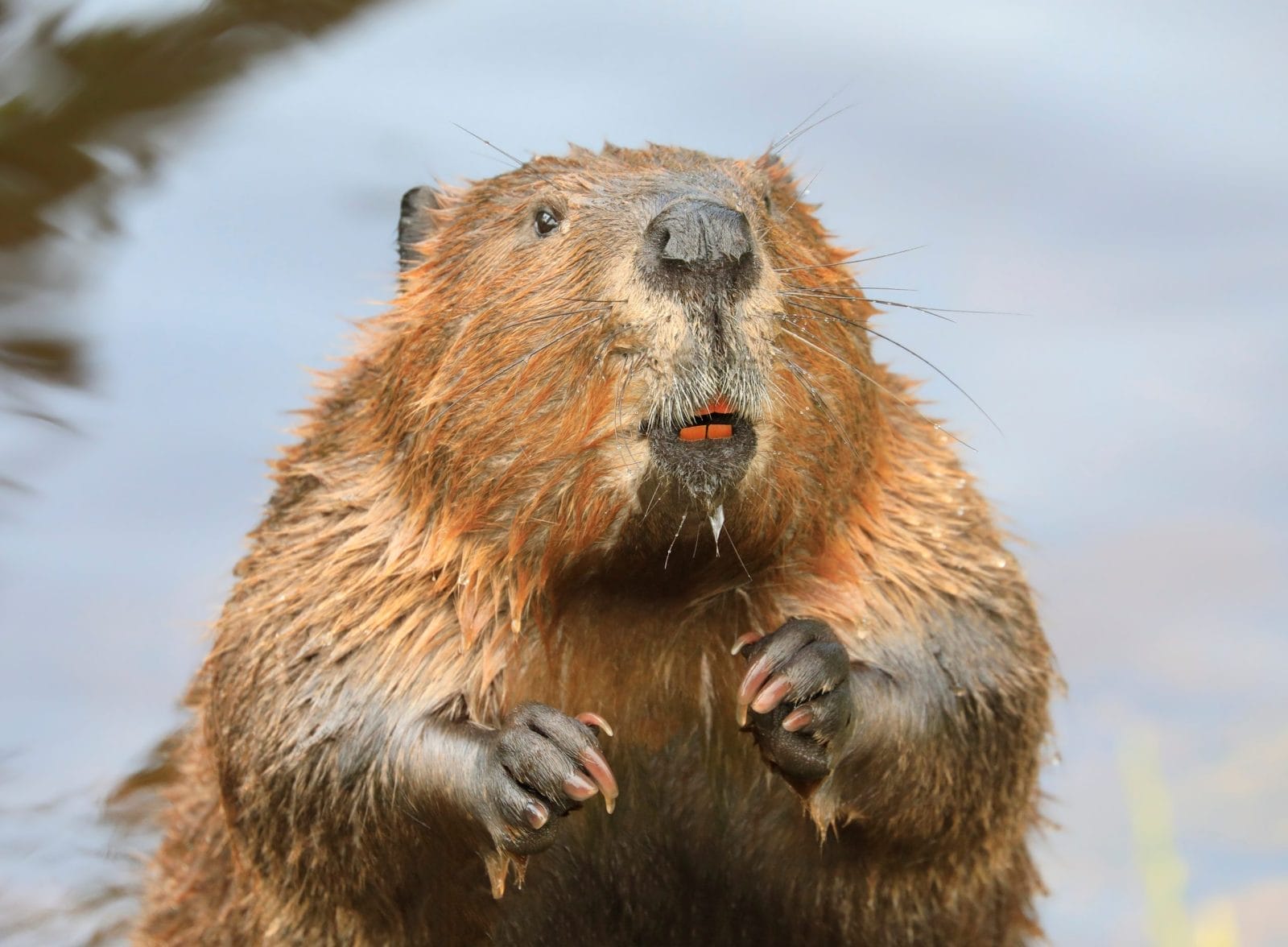
In England, researchers have turned to a natural solution to manage flood risk — and it has proven effective: beavers.
A landmark five-year study led by the University of Leeds and Forestry England found that a pair of Eurasian beavers released in Cropton Forest, within North York Moors National Park, significantly improved their environment.
According to a BBC report published in June 2026, the beavers were introduced into a monitored enclosure where natural flood management systems had already been installed in 2019.
Over the five-year trial, the beavers constructed six complex dams, including what is now believed to be the largest beaver dam in England.
Researchers said the animals’ construction activities delivered immediate ecological benefits. Their dams slowed river flows, reducing the volume of water rushing downstream toward vulnerable communities during heavy rainfall.
The newly formed wetlands also acted as a buffer during dry periods, meaning the beavers not only helped reduce flood risk but also improved water retention during drought conditions.
The study noted that the beavers did not interfere with existing human-built flood defenses. Instead, their activity complemented and extended the effectiveness of local flood management systems.
Researchers also observed a surge in biodiversity, with increased plant variety and thriving populations of fish, amphibians, dragonflies, and bats.
The beaver pair also flourished during the trial, growing into a family group and producing 11 kits.
Cath Bashford, species recovery officer for Forestry England in Yorkshire, underscored the project’s significance.
“Being closely involved in bringing the beaver back to Yorkshire for the first time in several hundred years has been incredible. It has been amazing to watch the changes that the beavers have made to the site throughout the trial and the species that have moved in and thrived alongside them,” Bashford said.
With beavers absent from the British landscape for centuries, the success of the Cropton Forest project offers strong scientific support for wider conservation efforts.
Lead author Professor Mark Smith of the University of Leeds School of Geography said the study’s comprehensive before-and-after monitoring provided rare insight into how quickly and dramatically beavers can restore degraded environments.
“This is the first time so many different things have been measured at the same site, including before and after beaver release comparisons,” he told the BBC. “The site was transformed by the beavers in ways we never imagined.”
The report said that the study was led by Forestry England and licensed by Natural England. — Photo from One Green Planet